

Steel vs Glass Stove: Ultimate Kitchen Showdown
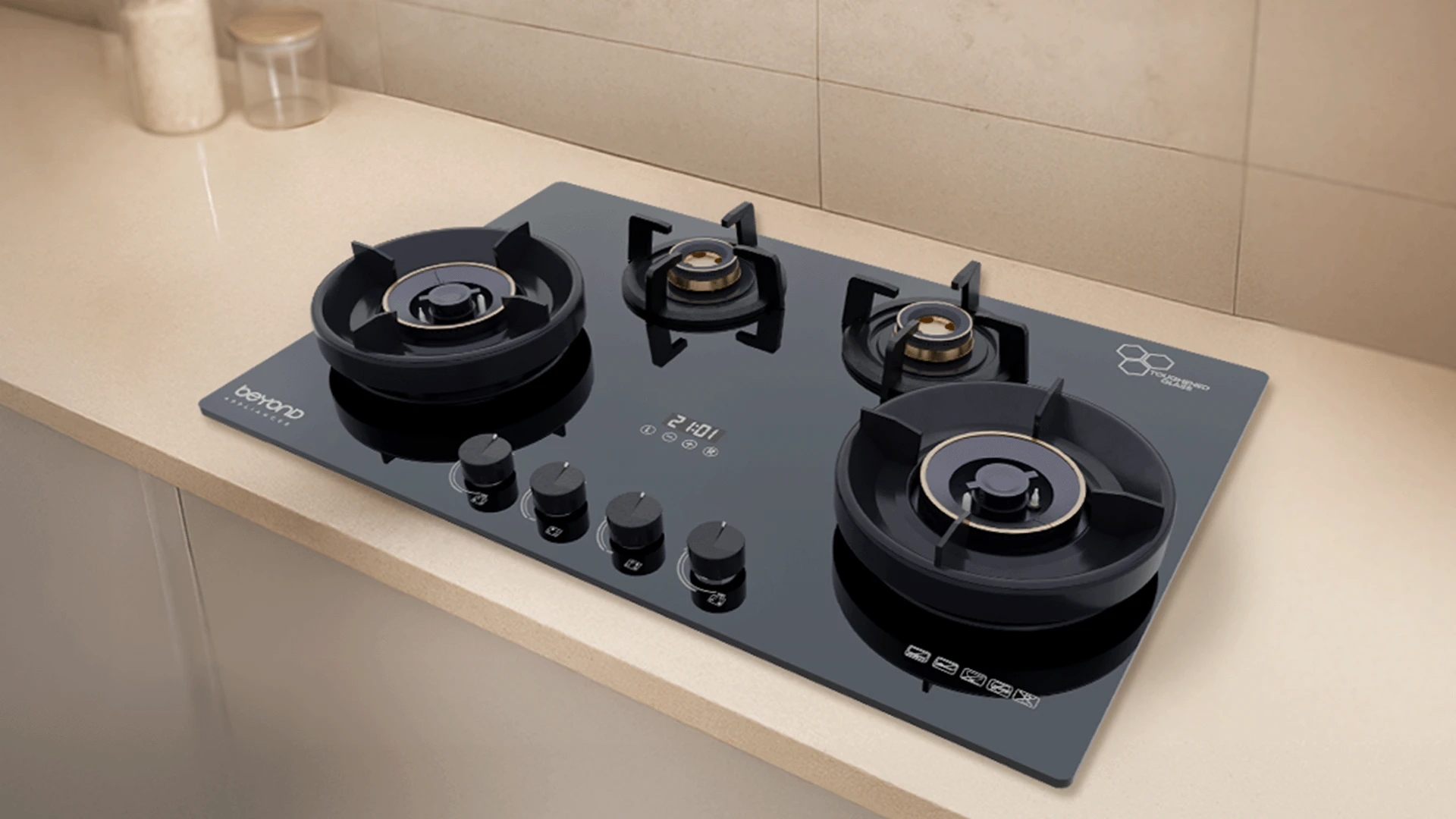
Choosing between a steel stove vs glass stove can make or break your kitchen experience. Both materials offer distinct advantages that cater to different cooking styles and aesthetic preferences. Steel stoves bring professional-grade durability to your kitchen, while glass stoves deliver sleek, modern appeal that transforms any cooking space. Understanding these differences helps you make an informed decision that aligns with your cooking habits, maintenance preferences, and design vision. This comprehensive comparison examines every aspect from durability to cost, ensuring you select the perfect cooktop material for your home.
The choice between steel stove and glass stove options fundamentally impacts your daily cooking experience. Steel stoves feature robust stainless steel construction that withstands heavy use, while glass stoves utilize tempered glass surfaces that create seamless, contemporary aesthetics. Cooktop materials significantly influence performance, maintenance, and longevity. Steel surfaces excel in professional environments where durability matters most. Glass surfaces shine in modern kitchens where visual appeal takes priority. Both materials support various cooking technologies including gas stove, electric stove, and induction cooktop configurations.
Steel stove construction typically involves high-grade stainless steel that resists corrosion and maintains structural integrity under extreme temperatures. The material's molecular structure provides excellent heat distribution and impact resistance. Glass stove surfaces use specially tempered glass designed to handle thermal stress. This modern stove design approach creates smooth, uninterrupted cooking surfaces that integrate seamlessly with contemporary kitchen appliances.
Durability represents the most significant advantage of steel stove options. Professional kitchens consistently choose steel for its ability to withstand constant use, heavy cookware, and accidental impacts. Steel surfaces resist scratching, denting, and thermal shock better than glass alternatives. Temperature fluctuations pose minimal risk to steel construction. Rapid heating and cooling cycles that might stress glass surfaces barely affect steel durability. This resilience translates to longer appliance life and reduced replacement costs over time.
Steel construction handles dropped pots, sliding heavy cookware, and aggressive cleaning without permanent damage. Professional chefs prefer steel surfaces because they maintain performance standards even after years of intensive use. Maintenance requirements remain minimal with steel surfaces. Simple cleaning routines preserve appearance and functionality without special products or techniques.
Glass stove options revolutionize kitchen aesthetics with their sleek, uninterrupted surfaces. The smooth glass creates visual continuity that makes kitchens appear larger and more sophisticated. This modern stove design approach complements contemporary interior styles perfectly. Color and finish variety gives homeowners extensive customization options. Black glass surfaces create dramatic focal points, while clear glass maintains subtle elegance. These design choices significantly impact overall kitchen value and appeal.
Glass surfaces integrate seamlessly with modern appliance suites, creating cohesive kitchen designs. The reflective properties of glass enhance lighting and create depth in smaller spaces. Customization options include various glass tints, patterns, and edge treatments that complement specific design themes.
Glass stove surfaces offer superior cleaning convenience with their completely smooth finish. Spills cannot penetrate crevices or seams, making cleanup straightforward with appropriate glass cleaners. The non-porous surface resists staining and odor absorption. Steel stove cleaning requires more attention to detail. Stainless steel can show water spots, fingerprints, and scratches more readily than glass. However, steel surfaces tolerate aggressive cleaning methods and abrasive tools that might damage glass.
Time investment varies significantly between materials. Glass surfaces clean quickly with proper techniques but require specific products to avoid streaking. Steel surfaces need regular polishing to maintain their appearance but handle various cleaning approaches. Scratch prevention becomes crucial with glass surfaces, while steel tolerates normal wear patterns better.
Heat distribution characteristics differ between steel stove and glass stove options. Steel conducts heat efficiently, providing responsive temperature control for precise cooking. Glass surfaces may create slight heat retention that affects cooking timing. Induction cooktop technology works exceptionally well with both materials. Electric stove elements perform similarly on steel and glass surfaces. Gas stove configurations adapt to either material without performance compromise.
Temperature consistency remains excellent with both materials when properly designed. Heat-up times vary slightly, with steel typically responding faster to temperature changes. Cookware compatibility considerations include weight limits for glass surfaces and magnetic requirements for induction systems.
Purchase price comparison reveals glass stove options typically cost more initially than comparable steel stove models. Premium glass surfaces command higher prices due to manufacturing complexity and aesthetic appeal. Installation costs remain similar for both materials, though glass surfaces may require more careful handling during setup. Repair expenses favor steel options, as glass replacement costs significantly more than steel surface repairs.
Entry-level steel models offer excellent value for budget-conscious buyers. Premium glass options justify higher costs through superior aesthetics and advanced features. Total cost of ownership over 10+ years often favors steel due to lower maintenance and replacement costs.
This stove buying guide recommends considering your primary priorities when choosing between materials. Families with young children benefit from steel's durability, while design-focused homeowners prefer glass aesthetics. Stove comparison factors include cooking frequency, maintenance preferences, budget constraints, and design goals. Heavy cooking households should prioritize durability, while occasional cooks can emphasize aesthetics.
Priority-based selection starts with identifying your most important factors: durability, aesthetics, budget, or performance. Lifestyle considerations include family size, cooking habits, and maintenance tolerance. Professional recommendations suggest steel for high-use kitchens and glass for design-focused spaces with moderate cooking demands.
Steel stoves excel in durability and professional performance, while glass stoves offer superior aesthetics and easy cleaning. Choose steel for heavy cooking use or glass for modern design priorities.
Yes, glass stoves are more susceptible to cracking from impacts or extreme temperature changes. Steel stoves handle rough use and accidents better, making them ideal for busy family kitchens.
Glass stoves clean more easily due to their smooth, seamless surface. Steel stoves require more effort to maintain their appearance but tolerate aggressive cleaning methods better.
Steel stoves typically last longer due to their superior impact resistance and durability. Glass stoves can last equally long with careful use but are more vulnerable to accidental damage.
Steel stoves handle high-heat Indian cooking better, resisting thermal stress from rapid temperature changes. They also tolerate heavy cookware and vigorous cooking techniques more effectively.
Glass stoves justify higher costs through improved aesthetics and easier cleaning. However, steel offers better value for durability-focused buyers or high-use kitchens.
Glass stoves have weight limitations typically around 25-30 kg per burner. Steel stoves handle heavier cookware without weight restrictions, making them better for large-capacity cooking.
Glass stoves generally add more aesthetic value and appeal to modern buyers. Steel stoves provide functional value through durability and professional performance capabilities.
The steel stove vs glass stove decision ultimately depends on your specific needs and priorities. Steel delivers unmatched durability and professional performance, making it ideal for serious cooks and busy families. Glass provides stunning aesthetics and convenient cleaning, perfect for design-conscious homeowners who prioritize visual appeal. Consider your cooking habits, maintenance preferences, and budget to make the choice that best serves your kitchen for years to come.
