

Stainless Steel vs Glass Hob: Ultimate Showdown
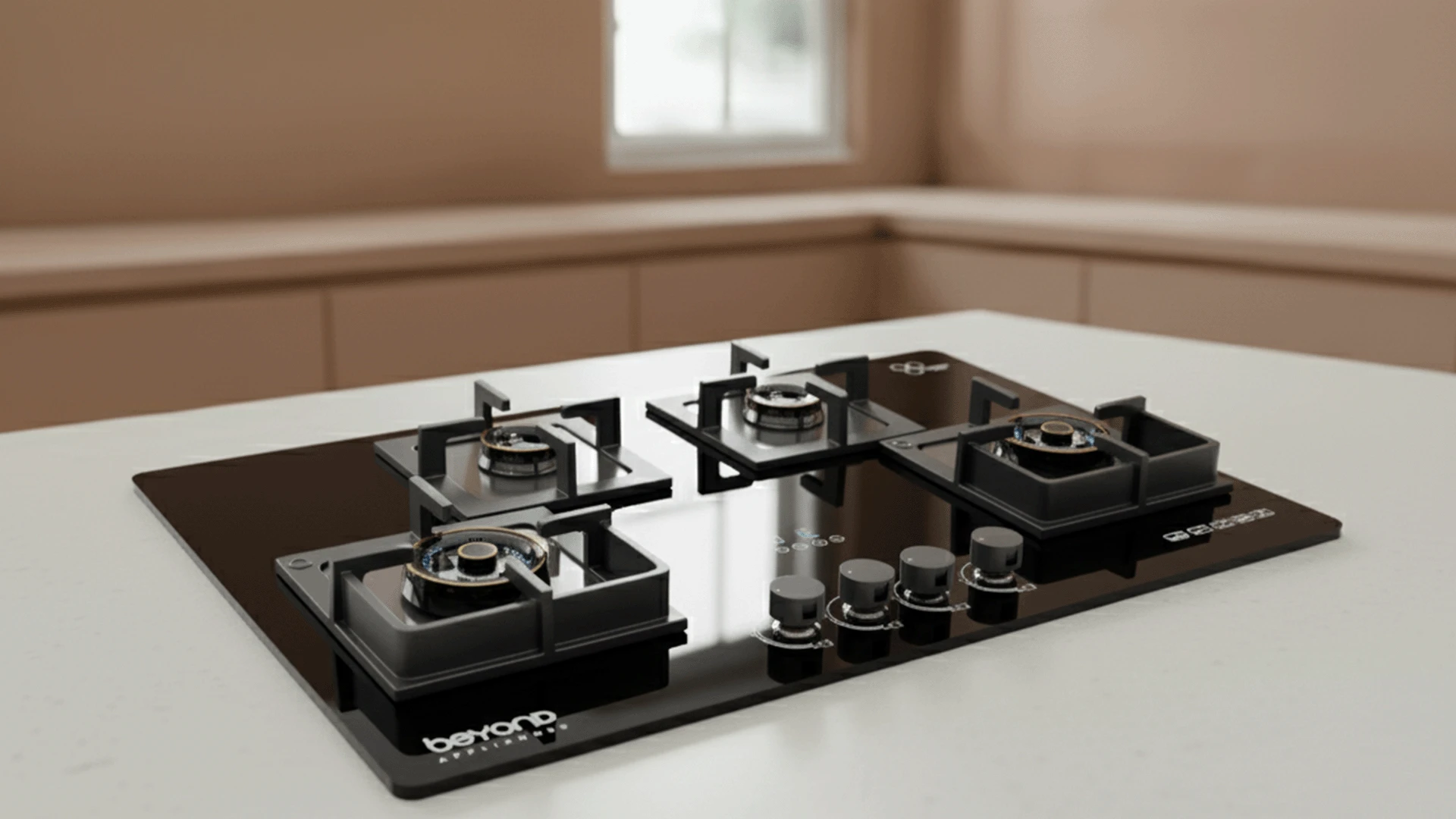
Choosing the right hob for your kitchen involves more than just picking between gas, electric, or induction options. The material of your cooktop surface plays a crucial role in both functionality and aesthetics. Two popular choices dominate modern kitchens: stainless steel and glass surfaces. Each material brings distinct advantages and challenges that can significantly impact your cooking experience, maintenance routine, and overall kitchen design. Understanding the stainless steel vs glass hob pros helps you make an informed decision that aligns with your lifestyle, budget, and design preferences. Whether you're planning a complete kitchen renovation or simply upgrading your cooking appliances, this comparison will guide you through the essential factors to consider.
The choice between stainless steel and glass surfaces affects multiple aspects of your cooking experience. Both materials offer unique benefits that cater to different cooking styles and kitchen designs. Stainless steel hob surfaces excel in durability and professional appearance. They withstand heavy use, resist scratches from cookware, and maintain their appearance over years of cooking. The material works seamlessly with gas hob, electric hob, and induction hob systems, making it a versatile choice for any cooking preference. Glass hob surfaces prioritize aesthetics and ease of cleaning. Their smooth, non-porous surface creates a sleek look perfect for modern kitchen designs. Glass surfaces particularly shine in compact kitchen layouts where visual continuity and space perception matter most. Durability favors stainless steel, while design flexibility leans toward glass. Maintenance requirements differ significantly, with glass offering easier daily cleaning but requiring more careful handling. Cost considerations vary based on quality levels and long-term replacement needs.
Stainless steel remains a popular choice among home cooks and professional chefs alike. Its reputation for durability and versatility makes it a reliable option for busy kitchens.
Stainless steel surfaces handle daily cooking demands exceptionally well. They resist scratches from heavy cookware, withstand high temperatures without warping, and maintain structural integrity over decades of use. The material's heat tolerance makes it suitable for intense cooking sessions and commercial-grade appliances. The professional kitchen aesthetic appeals to cooking enthusiasts who want restaurant-quality equipment at home. Stainless steel creates visual consistency when paired with other stainless appliances, contributing to a cohesive kitchen design.
Daily maintenance presents the biggest drawback of stainless steel surfaces. Fingerprints, water spots, and cooking residue show prominently on the surface. Regular cleaning with specialized stainless steel cleaners becomes necessary to maintain the polished appearance. The material's tendency to show every smudge requires more frequent attention than other cooktop materials. Busy households may find this maintenance requirement burdensome, especially in high-traffic kitchens.
Glass surfaces have gained popularity in contemporary kitchen designs, offering a blend of functionality and visual appeal that suits modern lifestyles.
Glass hob surfaces create an uninterrupted, smooth appearance that enhances modern kitchen aesthetics. The reflective surface adds depth to small spaces, making compact kitchen layouts appear larger and more open. Cleaning becomes significantly easier with glass surfaces. The non-porous material prevents food particles from embedding in the surface. Spills wipe away quickly with standard glass cleaners, and the smooth surface requires no special scrubbing techniques.
Glass surfaces require careful handling to prevent cracks or chips. Heavy cookware dropped from height can cause damage that necessitates complete surface replacement. Thermal shock from extreme temperature changes poses another risk factor. Replacement costs typically exceed those of stainless steel repairs. When damage occurs, the entire glass surface usually requires replacement rather than localized repairs, leading to higher maintenance expenses over time.
Cooking performance varies significantly between stainless steel and glass surfaces, depending on the underlying heating technology and usage patterns.
Stainless steel surfaces work naturally with gas hob systems, providing excellent heat conduction and flame control. The material's heat retention properties help maintain consistent cooking temperatures and reduce energy waste. Glass surfaces on gas systems require careful consideration of thermal expansion. While modern glass formulations handle gas flame heat effectively, the material's thermal properties differ from traditional stainless steel, affecting heat distribution patterns.
Induction hob technology performs exceptionally well with glass surfaces. The smooth interface allows for precise magnetic field transmission, resulting in efficient heat transfer and responsive temperature control. Electric hob systems benefit from glass surfaces' uniform heat distribution. The material's thermal properties create even heating patterns that reduce hot spots and improve cooking consistency across the entire surface area.
The choice between stainless steel and glass significantly influences your kitchen's overall visual impact and design cohesion.
Glass surfaces excel in contemporary kitchen design schemes that prioritize clean lines and minimalist aesthetics. The seamless appearance integrates beautifully with handleless cabinetry and sleek appliance designs. Stainless steel contributes to industrial and professional design themes. The material's reflective properties complement modern appliances while maintaining a timeless appeal that works across various design styles.
In compact kitchen layouts, glass surfaces create visual continuity that makes spaces appear larger. The reflective properties bounce light around the room, enhancing natural illumination and creating an open feeling. Stainless steel's neutral appearance works well in small spaces but doesn't provide the same space-enhancing benefits as glass. However, its durability makes it practical for high-use compact kitchens where every surface sees frequent activity.
Long-term ownership costs depend heavily on maintenance requirements and material durability over years of regular use.
Stainless steel demands consistent daily maintenance to prevent water spots and fingerprint buildup. Specialized cleaners and microfiber cloths become essential tools for maintaining the surface's appearance. Glass surfaces require gentler daily care but offer easier cleanup. Standard glass cleaners effectively remove cooking residue, and the smooth surface prevents food particles from adhering permanently.
Stainless steel surfaces typically last 15-20 years with proper maintenance. The material resists wear patterns and maintains functionality even when showing cosmetic aging. Glass surfaces can last equally long when handled carefully, but their vulnerability to impact damage creates potential for premature replacement. Quality glass formulations resist thermal stress and normal cooking wear effectively.
Budget considerations extend beyond initial purchase price to include installation, maintenance, and potential replacement costs over the appliance's lifetime.
Stainless steel options typically cost less initially, with basic models starting around INR 15,000 for quality surfaces. Premium stainless steel with advanced finishes can reach INR 40,000 or more. Glass surfaces generally command higher prices, beginning around INR 25,000 for standard options. High-end glass with specialized coatings and advanced features can exceed INR 60,000.
Total ownership costs favor stainless steel in high-use kitchens due to lower replacement risks. Maintenance costs remain relatively low, primarily involving cleaning supplies and occasional professional polishing. Glass surfaces offer excellent value in careful-use households where their aesthetic benefits justify the premium. Lower daily maintenance requirements can offset higher initial costs over time.
Glass surfaces typically perform better with induction technology due to their smooth interface and thermal properties. The seamless contact between cookware and surface improves magnetic field efficiency and heat transfer.
Glass surfaces require less frequent deep cleaning but need careful handling. Stainless steel demands more regular maintenance to prevent water spots but withstands aggressive cleaning when necessary.
Yes, glass surfaces are more susceptible to impact damage and thermal shock. However, modern glass formulations are significantly more durable than older versions and can withstand normal cooking activities safely.
Both materials can last 15-20 years with proper care. Stainless steel may show cosmetic wear but maintains functionality longer, while glass either looks new or requires complete replacement when damaged.
Glass surfaces work better in compact spaces due to their space-enhancing visual properties and easier cleaning in tight spaces. However, stainless steel's durability may be more practical in high-traffic small kitchens.
The choice between stainless steel and glass hob surfaces ultimately depends on your priorities, cooking habits, and design preferences. Stainless steel offers superior durability and lower long-term costs, making it ideal for busy households and heavy cooking use. Glass surfaces provide aesthetic benefits and easier daily maintenance, perfect for design-conscious homeowners who handle cookware carefully. Consider your kitchen's usage patterns, design goals, and maintenance preferences when making this important decision. Both materials can provide years of reliable service when properly maintained and used within their intended parameters.
