

Small Kitchen Chimneys: Wall vs Island Hoods Compared
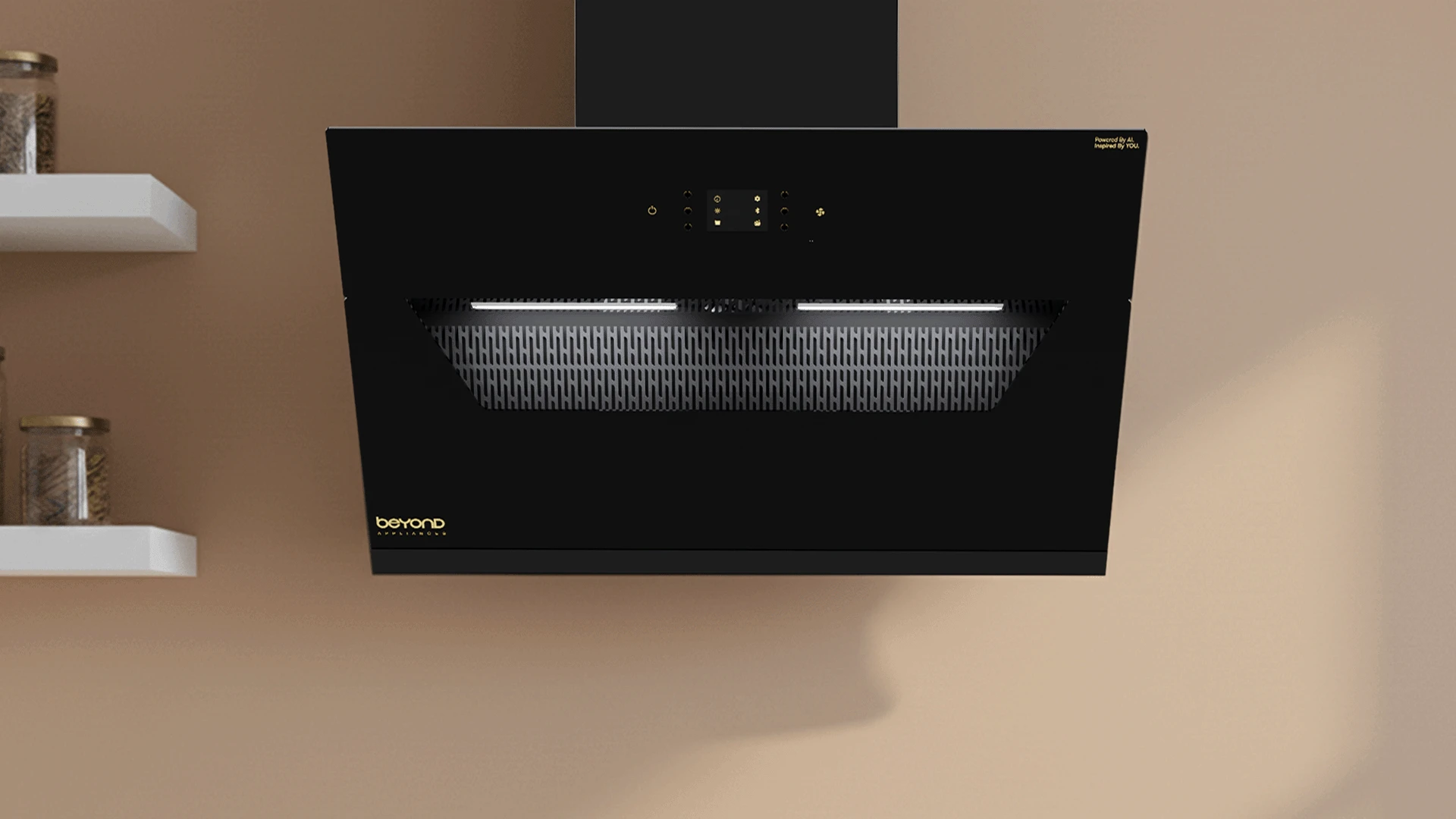
Choosing the right chimney types for small kitchens can transform your cooking experience while maximizing precious space. Small kitchens present unique challenges when it comes to ventilation, requiring careful consideration of design, functionality, and installation requirements. Whether you're dealing with a compact apartment kitchen or a cozy cooking nook, understanding the differences between wall-mounted and island hoods will help you make an informed decision that balances performance with space efficiency.
Small kitchens face distinct ventilation challenges that larger spaces don't encounter. Limited ceiling height, restricted wall space, and proximity to living areas make choosing the right small kitchen chimney crucial for maintaining air quality and cooking comfort. Space constraints often dictate the type of chimney you can install. Most compact kitchens have ceiling heights between 8-10 feet, which limits options for certain designs. The cooking frequency also matters – frequent cooking requires more powerful ventilation, while occasional use might allow for smaller, more decorative units.
Kitchen layout plays a vital role in determining suitable kitchen exhaust options. Galley kitchens typically work best with wall-mounted units, while L-shaped layouts might accommodate different configurations. Consider the proximity to windows, doors, and neighboring rooms when planning your modern kitchen vent installation. Ceiling height directly impacts suction efficiency. Lower ceilings require chimneys with stronger motors to compensate for reduced clearance, while adequate height allows for optimal air circulation patterns.
Wall-mounted chimneys represent the most practical choice for most small kitchens. These units attach directly to the wall above your cooktop, requiring minimal space while delivering effective ventilation. The wall mounted chimney design maximizes floor and counter space, making them ideal for compact cooking areas. Installation typically requires sturdy wall support and proper electrical connections. Most wall-mounted units can be installed without major structural modifications, making them apartment-friendly options.
Slim chimney models offer the most space-efficient solution for ultra-compact kitchens. These units typically measure 60cm in width and feature streamlined profiles that don't overwhelm small spaces. Angular or inclined designs work particularly well in kitchens with low ceilings, providing effective suction while maintaining adequate clearance. Curved glass chimneys bring modern aesthetics to small kitchens without sacrificing functionality. Box-type straight-line designs suit minimalist kitchen themes and offer straightforward installation.
Wall-mounted units cost significantly less than island alternatives, both in terms of initial purchase and installation expenses. They require less ceiling clearance and work effectively in kitchens with standard 8-foot ceilings. Ductless chimney options eliminate the need for external venting, making them perfect for apartments or homes where ducting isn't feasible. These systems use advanced filtration to clean and recirculate air back into the kitchen.
Island chimneys serve specific kitchen configurations where the cooking area sits away from walls. These suspended units hang from the ceiling, creating a focal point while providing 360-degree ventilation coverage. These systems work best in open-plan designs where the kitchen flows into living or dining areas. The island chimney design requires adequate ceiling height and structural support for safe installation.
Open-plan small kitchens with central cooking islands benefit most from island hood installations. These layouts require minimum ceiling heights of 8-9 feet for proper clearance and optimal performance. Island installations offer superior kitchen exhaust options for kitchens where wall-mounted units can't reach the cooking area effectively. They work particularly well in galley kitchens with center islands or peninsula configurations.
Suspended ceiling-mounted models offer sleek, modern appearances that complement contemporary kitchen designs. Compact kitchen hood designs specifically target smaller islands, providing proportional aesthetics without overwhelming the space. Advanced filtration systems in island chimneys often include multiple filter stages and higher suction capacities to handle the increased air circulation requirements of open layouts.
The choice between ductless and ducted systems significantly impacts performance, installation complexity, and long-term maintenance requirements. Understanding these differences helps determine the best option for your specific situation. Ducted systems provide superior performance by removing cooking odors, smoke, and moisture completely from the kitchen environment. Ductless systems offer installation flexibility but require regular filter maintenance.
Ductless systems eliminate external venting requirements, making them ideal for apartments, condos, or homes where ducting installation isn't practical. These units use recirculation technology with multiple filter stages to clean air before returning it to the kitchen. Installation complexity remains minimal compared to ducted alternatives. Most ductless units require only electrical connections and wall mounting, avoiding the need for exterior wall modifications or roof penetrations.
Ducted installations provide superior smoke and odor removal by exhausting contaminated air directly outside. These systems work more effectively for heavy cooking and maintain better indoor air quality over time. External venting requirements limit installation options in some buildings. Ducted systems require proper exterior termination and may need professional installation to ensure code compliance.
Proper sizing ensures optimal performance while maintaining proportional aesthetics in small kitchens. Understanding capacity requirements helps match chimney specifications to your cooking habits and kitchen size. Suction power, measured in cubic feet per minute (CFM), should match your kitchen's air volume and cooking intensity. Small kitchens typically require 1000-1200 CFM for effective ventilation.
60cm width chimneys suit most small kitchen configurations, providing adequate coverage for standard cooktops without overwhelming the space. 90cm units work better for larger cooking surfaces or when the chimney serves as a design focal point. Modern kitchen vent capacity calculations consider kitchen volume, cooking frequency, and air circulation patterns. Multiply your kitchen's square footage by 10-12 to estimate minimum CFM requirements.
Auto-clean technology reduces maintenance requirements by using heat to burn off grease deposits automatically. This feature particularly benefits busy households or frequent cooking situations. Baffle filters outperform mesh alternatives in grease capture efficiency and cleaning ease. LED lighting improves cooking visibility while smart controls offer convenient operation and energy management.
Selecting from the best chimney brands ensures reliable performance, warranty support, and long-term value. Quality manufacturers offer comprehensive product lines covering different price points and feature sets. Performance-to-price ratios vary significantly across brands and models. Premium features like auto-clean technology, advanced filtration, and smart controls justify higher prices for frequent cooking households.
Entry-level models under INR 15,000 provide basic functionality with manual controls and standard filtration. These units suit occasional cooking and budget-conscious buyers seeking reliable ventilation. Mid-range options between INR 15,000-30,000 typically include auto-clean features, better filtration systems, and improved build quality. Premium models above INR 30,000 offer advanced smart features, superior materials, and comprehensive warranty coverage.
Wall-mounted chimneys work best for small kitchens due to space efficiency and cost-effectiveness. Slim, angular designs suit low ceilings, while curved models complement modern aesthetics without overwhelming compact spaces.
Box chimneys offer basic straight-line designs perfect for minimalist kitchens. Curved hood chimneys provide modern aesthetic appeal. Angular or inclined models work best for low ceiling spaces. Island chimneys suit open layouts with adequate ceiling height.
Slanted or angular chimneys work better for small kitchens with low ceilings. They provide better suction angles and require less vertical clearance compared to curved designs, making them more practical for space-constrained environments.
Ductless chimneys often work better for small kitchens, especially apartments, because they don't require external venting and offer easier installation in space-constrained environments. They're also more cost-effective for occasional cooking.
60cm width chimneys typically provide sufficient coverage for small kitchens. Suction power of 1000-1200 CFM adequately handles most compact cooking spaces while maintaining energy efficiency.
Choosing between wall-mounted and island chimneys depends primarily on your kitchen layout, ceiling height, and installation requirements. Wall-mounted units offer the most practical solution for most small kitchens, providing effective ventilation while maximizing space efficiency. Island chimneys work best in open-plan designs with adequate ceiling clearance and central cooking areas. Consider ductless options for apartments or situations where external venting isn't feasible, while ducted systems provide superior performance for heavy cooking households.
