

Safe Stove Placement Near Windows: A Step Guide
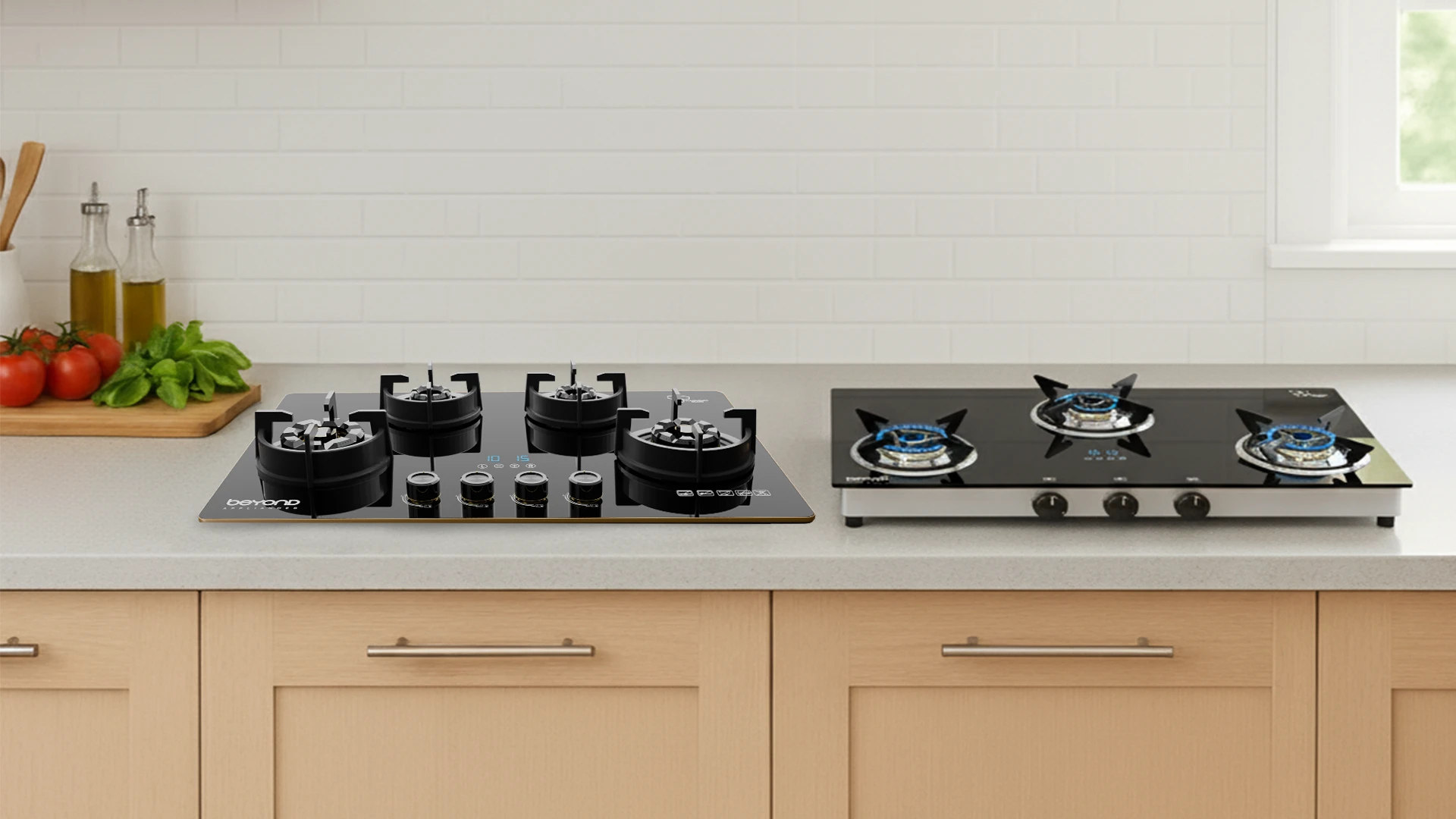
Planning your safe placement of stove near windows requires careful consideration of safety codes, ventilation needs, and design aesthetics. Many homeowners face the challenge of creating functional cooking spaces while maximizing natural light and views. With proper planning and adherence to safety guidelines, you can achieve both goals without compromising your family's safety. Modern kitchen layouts often feature windows near cooking areas, making it essential to understand the specific requirements for stove placement in these configurations. This comprehensive guide walks you through every step of the process, from initial measurements to final installation considerations.
Proper kitchen safety begins with understanding the fundamental clearance requirements for stove placement near windows. The standard minimum distance between any cooking surface and a window is 36 inches, though local building codes may require greater clearances. Fire safety considerations become critical when planning your cooking area design. Windows can create drafts that affect gas flame stability, potentially leading to dangerous situations. Additionally, window treatments like curtains or blinds pose significant fire hazards when placed too close to heat sources. Emergency access routes must remain unobstructed, ensuring you can quickly exit the kitchen if needed. Building code compliance varies by location, but most jurisdictions require professional inspection for gas appliance installations near windows. Heat damage prevention extends beyond immediate fire risks to include protecting window frames, seals, and surrounding materials from prolonged exposure to cooking heat.
Begin your kitchen layout planning by measuring your available space accurately. Use a tape measure to record the distance from existing windows to potential stove locations, noting any obstacles like plumbing or electrical connections. Create a detailed floor plan that identifies optimal stove positioning zones. Mark areas that meet the 36-inch minimum clearance requirement while considering workflow efficiency. Your modern kitchen layout should facilitate smooth movement between the stove, sink, and refrigerator.
Evaluate each potential location using these criteria: • Minimum 36-inch clearance from window opening • Adequate ventilation access for range hood installation • Sufficient counter space on both sides of the stove • Clear sight lines for cooking safety • Accessibility for cleaning and maintenance
Consult with certified kitchen designers or contractors before finalizing your layout. They can identify potential code violations and suggest modifications that maintain both safety and functionality. Professional input becomes especially valuable in compact kitchen design situations where space constraints limit your options.
Small kitchens present unique challenges when implementing safe placement of stove near windows. Space-maximizing layout strategies focus on vertical storage solutions and multi-functional design elements that don't interfere with safety clearances. Consider installing wall-mounted storage above the window area, keeping combustible materials well away from the cooking zone. Small kitchen ideas often incorporate fold-down counter extensions that provide additional workspace without permanent installation near heat sources.
Incorporate elements that serve multiple purposes: • Heat-resistant backsplashes that extend to window areas • Pull-out cutting boards that create temporary counter space • Magnetic strips for utensil storage away from heat zones • Compact spice racks mounted on adjacent walls
Maintain clear pathways between the stove and exit points. In tight spaces, ensure that opening cabinet doors or appliances doesn't block emergency egress routes. Your window proximity planning should account for natural movement patterns during cooking activities.
Proper stove ventilation becomes more complex when windows are nearby. Range hoods must be sized appropriately for your cooking surface and positioned to capture cooking vapors effectively without interfering with window operation. Natural ventilation through windows can supplement mechanical systems but should never replace proper exhaust equipment. Cross-breezes from open windows can disrupt range hood effectiveness and create drafts that affect gas burner performance.
Understand how air moves through your kitchen: • Identify primary air intake and exhaust points • Consider seasonal wind patterns that affect window drafts • Plan for adequate makeup air when using high-capacity range hoods • Ensure carbon monoxide detectors are properly positioned
Current kitchen fire safety standards require automatic shut-off features on many gas appliances. These systems may need special consideration when installed near windows where temperature fluctuations could affect sensor operation.
Many homeowners underestimate the importance of precise measurements when planning stove placement. Inadequate clearance measurements can result in code violations and safety hazards that require costly corrections. Ignoring curtain and blind fire hazards represents a serious oversight in cooking area design. Even heat-resistant materials can become fire hazards when exposed to grease spatters or direct flame contact.
Failing to account for proper ventilation leads to: • Inadequate smoke and odor removal • Moisture buildup that damages window frames • Grease accumulation on window surfaces • Reduced indoor air quality
Never position stoves where they could block emergency exit routes. Kitchen fires spread rapidly, and clear pathways to exits can save lives. Consider how opening cabinet doors or appliance doors might temporarily obstruct these routes.
Working with certified installers ensures your kitchen layout meets all safety requirements and local codes. Professional installers understand the specific requirements for gas line routing, electrical connections, and ventilation systems near windows. Material selection for heat resistance extends beyond the immediate cooking area. Window frames, trim, and nearby cabinetry should be constructed from or treated with heat-resistant materials that can withstand prolonged exposure to cooking temperatures.
Professional installation includes these verification steps: • Gas leak testing at all connection points • Electrical safety verification for all circuits • Range hood performance testing • Emergency shut-off system functionality • Code compliance documentation
Plan for ongoing maintenance needs when finalizing your modern kitchen layout. Ensure adequate space for cleaning behind and around appliances, and consider how window operation might affect access to service areas.
The standard minimum distance is 36 inches from the cooking surface to any window opening. However, local building codes may require greater clearances, so always check with your local building authority before installation.
Installing a stove directly under a window is generally not recommended and often violates building codes. The heat, grease, and potential for fire hazards make this placement unsafe. Consider alternative layouts that maintain proper clearances.
Windows can create cross-drafts that interfere with range hood effectiveness and gas burner stability. Proper ventilation planning must account for natural air currents and ensure mechanical ventilation systems can operate effectively regardless of window position.
Building codes vary by location but typically require minimum clearances, proper ventilation, and professional inspection for gas appliances. Contact your local building department for specific requirements in your area.
Gas stoves require additional safety considerations including proper ventilation for combustion gases, gas leak detection, and protection from drafts that could extinguish flames. Electric stoves generate different heat patterns but still require proper clearances and ventilation.
Focus on vertical storage solutions, multi-functional design elements, and careful traffic flow planning. Consider professional design consultation to optimize your layout while maintaining safety requirements.
Choose fire-resistant materials and ensure treatments cannot come into contact with cooking surfaces. Metal blinds, ceramic tiles, or specially treated fabrics designed for kitchen use provide safer options than standard curtains or drapes.
Professional installation is highly recommended and often required by local codes, especially for gas appliances. Certified installers ensure proper safety clearances, ventilation requirements, and code compliance.
Successful safe placement of stove near windows requires careful planning, adherence to safety codes, and professional installation. The 36-inch minimum clearance rule serves as your starting point, but local codes may require greater distances. Proper ventilation becomes critical when windows are nearby, as natural air currents can affect both cooking safety and exhaust system performance. In compact kitchens, creative design solutions can maximize functionality while maintaining safety requirements. Always consult with certified professionals to ensure your kitchen layout meets all applicable codes and provides a safe cooking environment for your family.
