
Retrofit Chimney in Modular Kitchen: Complete Guide
Cart
Your cart is empty
Installing a retrofit chimney in modular kitchen spaces has become essential for modern Indian homes. With rising awareness about indoor air quality and the need for efficient kitchen ventilation, homeowners are seeking practical solutions that fit their existing kitchen layouts. A retrofit installation allows you to upgrade your cooking space without major renovations, making it an ideal choice for those who want to enhance their kitchen's functionality while maintaining its current design. Whether you're dealing with smoke, odors, or grease buildup, the right chimney solution can transform your cooking experience while preserving the sleek aesthetics of your modular kitchen design.
A retrofit chimney refers to installing a new ventilation system in an existing modular kitchen without major structural changes. Unlike new construction installations, retrofit projects work within current space constraints and existing infrastructure. This approach offers significant advantages for homeowners who want to upgrade their kitchen ventilation without the expense and disruption of a complete kitchen overhaul. The primary benefit lies in cost-effectiveness and convenience. Retrofit installations typically take 2-4 hours compared to full kitchen renovations that can span weeks. Modern compact kitchen chimney designs are specifically engineered to fit standard modular kitchen configurations, making the process smoother and more predictable.
Proper ventilation removes harmful pollutants, smoke, and excess moisture from your cooking area. Indian cooking methods often generate significant amounts of smoke and grease, making efficient ventilation crucial for maintaining indoor air quality. A well-installed chimney system can reduce respiratory issues and prevent grease buildup on kitchen surfaces.
A quality chimney installation can increase your home's market value by 3-5%. Modern buyers expect functional ventilation systems, especially in urban areas where air quality concerns are prevalent. The aesthetic appeal of integrated kitchen appliances also contributes to overall kitchen attractiveness.
Choosing the right chimney type depends on your kitchen layout, cooking habits, and budget considerations. Each system offers distinct advantages and installation requirements that affect both performance and cost.
Ducted chimneys provide superior performance by expelling air outside through dedicated ducts. They offer 90-95% efficiency in removing smoke and odors but require external venting infrastructure. Installation costs range from INR 15,000-25,000 including ducting work. Ductless chimney systems use carbon filters to clean air before recirculating it back into the kitchen. While easier to install with costs around INR 8,000-15,000, they offer 60-70% efficiency and require regular filter replacements every 3-6 months.
Wall-mounted chimneys suit most modular kitchen layouts and offer the widest selection of designs. They're ideal for kitchens with cooking surfaces against walls and provide excellent suction efficiency. Island chimneys work for kitchens with central cooking areas but require ceiling mounting and additional structural support. Installation complexity increases costs by 20-30% compared to wall-mounted options.
Today's chimneys include smart features like motion sensor control that turns the unit on or off by waving your hands. Some models feature AI whistle counter technology that counts pressure cooker whistles and alerts you when cooking is complete. These innovations make cooking more convenient while ensuring optimal ventilation timing.
Selecting the correct size ensures optimal performance and aesthetic integration with your modular kitchen. Size decisions impact both functionality and visual appeal, making this choice crucial for long-term satisfaction. Standard widths include 60cm and 90cm options. The 60cm models suit 2-3 burner cooktops and smaller kitchens, while 90cm units work better with 4-burner ranges and larger cooking surfaces. Width should match or slightly exceed your cooktop width for maximum efficiency.
Suction capacity, measured in cubic meters per hour (CMH), determines how quickly your chimney clears smoke and odors. For Indian cooking, minimum requirements are: • Small kitchens (up to 100 sq ft): 600-800 CMH • Medium kitchens (100-200 sq ft): 800-1200 CMH • Large kitchens (200+ sq ft): 1200-1500 CMH High-performance models offer up to 1408 CMH suction, designed specifically for heavy Indian cooking with multiple burners operating simultaneously.
Proper installation height affects both safety and performance. Mount your chimney 26-30 inches above the cooking surface for gas cooktops and 22-26 inches for electric ranges. This distance ensures effective smoke capture while preventing heat damage to the unit. The 3-2-10 rule applies to external ducting: maintain 3 feet clearance above roof exit points and 2 feet higher than any structure within 10 feet horizontally.
Successful chimney installation requires careful planning and proper execution. The process involves electrical work, mounting, and potentially ducting modifications depending on your chosen system type. Begin with a thorough assessment of your existing kitchen infrastructure. Check electrical capacity, wall strength, and available space for ducting routes. Most installations require a dedicated 15-amp electrical circuit to handle the motor and lighting loads safely.
Basic installation requires: • Drill with masonry bits • Level and measuring tape • Electrical testing equipment • Mounting brackets and screws • Duct materials (for ducted systems) • Electrical wire and connectors Professional installation is recommended for complex setups or when electrical modifications are needed.
Start by marking mounting points using the provided template. Ensure the chimney will be level and properly aligned with your cooktop. Drill pilot holes and install mounting brackets securely into wall studs or use appropriate anchors for masonry walls. Connect electrical supply following local codes and manufacturer specifications. Most units require both power and lighting circuits. Test all electrical connections before final mounting. For ducted systems, install ductwork routing to the exterior. Use smooth, rigid ducts where possible and minimize bends to maintain airflow efficiency. Seal all joints properly to prevent air leaks.
Retrofit chimney costs vary significantly based on system type, features, and installation complexity. Understanding these factors helps you budget appropriately and make informed decisions. Basic ductless chimney installations start around INR 12,000-20,000 including the unit and standard installation. Mid-range ducted systems cost INR 25,000-40,000, while premium models with advanced features can reach INR 50,000-75,000.
Labor costs typically range from INR 3,000-8,000 depending on complexity. Simple wall-mounted installations take 2-3 hours, while ducted systems requiring external venting may need 4-6 hours. Additional costs include: • Electrical modifications: INR 2,000-5,000 • Ducting materials: INR 3,000-7,000 • Structural modifications: INR 5,000-15,000 • Permits and inspections: INR 1,000-3,000
Quality chimneys offer 8-12 years of reliable service with proper maintenance. Energy-efficient models reduce operating costs while auto-clean features like dry heat technology minimize maintenance requirements. Some units feature filterless designs that eliminate ongoing filter replacement costs.
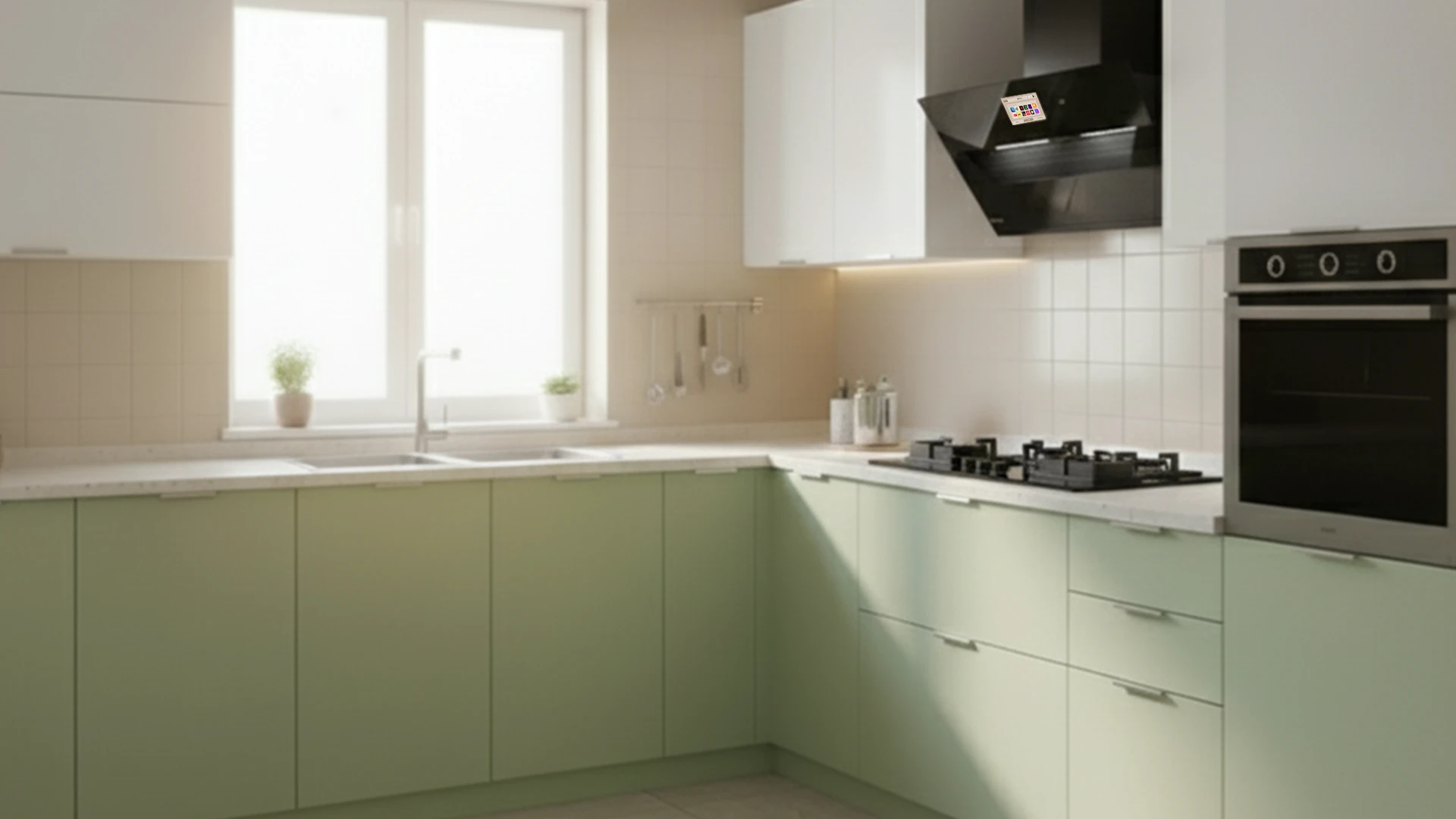
Seamless integration with your existing modular kitchen design requires careful attention to aesthetics and functionality. Modern chimneys offer various finishes and styles to complement different kitchen themes. Stainless steel remains the most popular choice for its durability and easy cleaning. Black glass surfaces provide a sleek, contemporary look that works well with modern appliances. Some manufacturers offer custom color matching to blend perfectly with existing cabinetry.
Advanced models include features like dual Bluetooth speakers for connecting Android or iOS devices, allowing you to enjoy music or podcasts while cooking. Built-in FM radio provides entertainment options without additional devices cluttering your counter space. Button control with display screens shows settings and timer information clearly. Auto turn-off functionality lets you set cooking timers, ensuring the chimney runs for optimal duration without manual monitoring.
Integrated LED lighting illuminates your cooking surface while adding ambiance to the kitchen. Most units include 3W LED lights that provide bright, energy-efficient illumination. Some models offer adjustable brightness and color temperature settings.
Regular maintenance ensures optimal performance and extends your chimney's lifespan. Modern features like auto-clean technology reduce maintenance requirements significantly compared to traditional models. Dry heat auto-clean systems use controlled heat to melt accumulated grease and oil, collecting it in removable trays. This technology eliminates the need for daily cleaning and reduces manual scrubbing of internal components.
Filterless designs eliminate ongoing filter costs and maintenance hassles. Traditional systems require filter cleaning every 2-4 weeks and replacement every 6-12 months depending on usage intensity. For systems with filters, establish a regular cleaning schedule. Aluminum mesh filters can be washed with warm soapy water, while carbon filters need replacement when odor removal efficiency decreases.
Reduced suction often indicates clogged filters or blocked ducts. Check and clean filters first, then inspect ductwork for obstructions. Unusual noises may suggest loose mounting or worn motor bearings requiring professional attention. If your unit doesn't respond to controls, verify electrical connections and check circuit breakers. Motion sensor issues can often be resolved by cleaning the sensor area and ensuring proper positioning.
Most modular kitchen packages include chimney provision and mounting space but not the actual unit. You'll need to select and purchase the chimney separately based on your specific cooking needs and kitchen layout.
The 3-2-10 rule ensures proper chimney height for ducted systems: maintain 3 feet clearance above roof exit points, position 2 feet higher than any structure within 10 feet horizontally, and ensure proper draft for optimal performance.
Kitchen exhaust fan systems offer affordable, low-maintenance alternatives with installation costs around INR 3,000-8,000. However, they provide limited efficiency compared to dedicated chimneys and may not handle heavy Indian cooking effectively.
Yes, with proper planning and retrofit solutions, chimneys can be installed in most modular kitchen configurations. Space constraints may require compact models or ductless systems, but solutions exist for virtually any layout.
The best choice depends on kitchen size, cooking habits, and budget. Ducted chimneys offer superior performance for heavy cooking, while ductless options provide easier installation. Consider features like auto-clean technology and smart controls for enhanced convenience.
Total costs range from INR 15,000-75,000 depending on system type and features. Basic ductless installations start around INR 15,000, while premium ducted systems with advanced features can reach INR 75,000 including installation.
Retrofitting a chimney in your modular kitchen significantly improves air quality, cooking comfort, and property value. Success depends on choosing the right system type, proper sizing, and professional installation. Modern features like motion sensors, auto-clean technology, and smart controls enhance convenience while reducing maintenance requirements. Consider your cooking habits, kitchen layout, and budget when selecting between ducted and ductless systems. While ducted chimneys offer superior performance, ductless options provide easier installation for retrofit projects. Invest in quality units with good warranty coverage and reliable after-sales service for long-term satisfaction. Proper planning and professional installation ensure optimal performance and safety. With the right approach, your retrofit chimney will provide years of reliable service while enhancing your cooking experience and kitchen aesthetics.
