

Perfect Chimney Size for 3 Burner Stove: A Guide
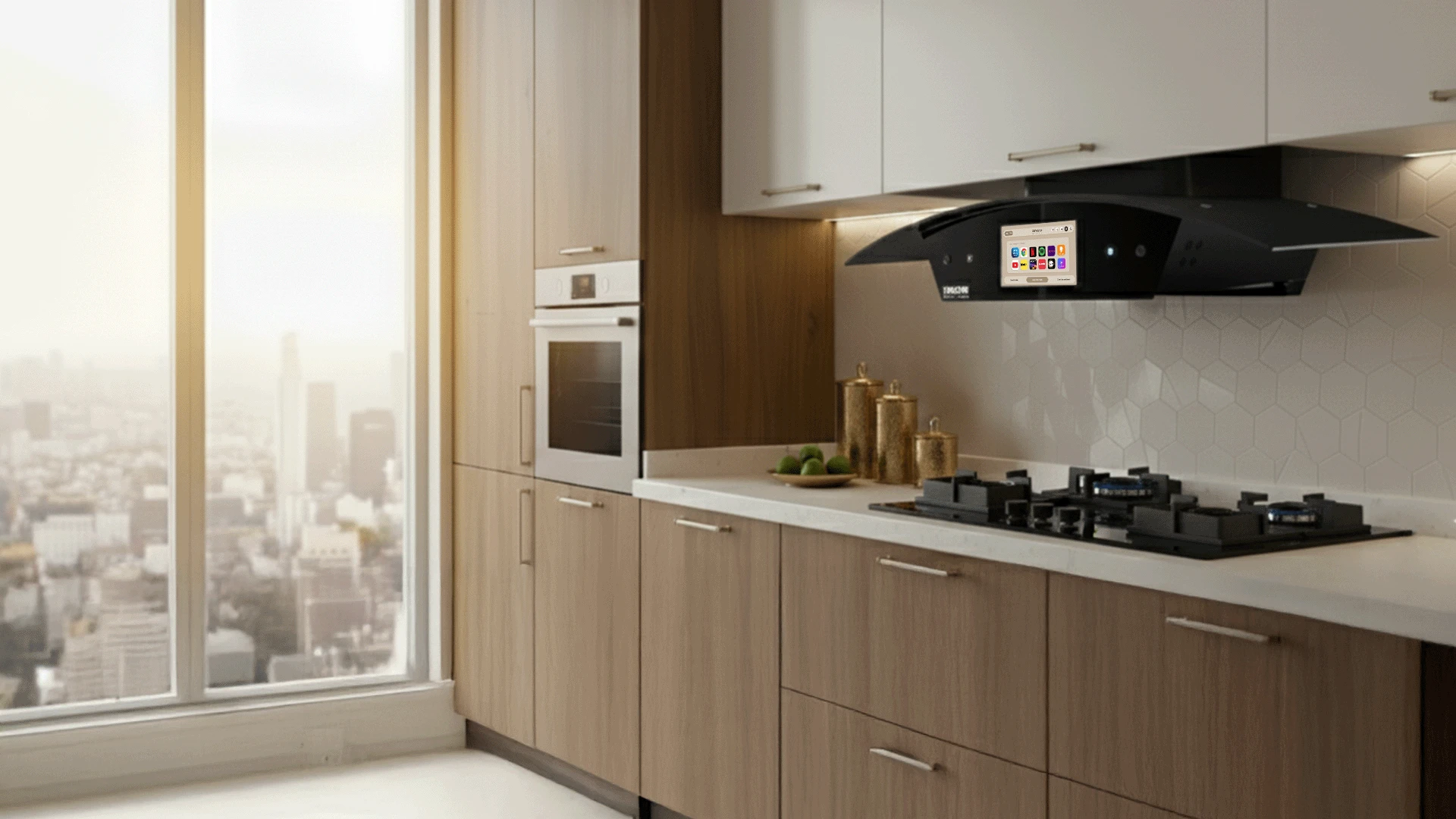
Choosing the right chimney size for your 3 burner stove can make the difference between a fresh, comfortable kitchen and one filled with smoke and cooking odors. Many homeowners struggle with this decision, often ending up with either an oversized chimney that dominates their kitchen or an undersized one that fails to provide adequate ventilation. The key lies in understanding your specific cooking needs, kitchen dimensions, and the relationship between stove size and chimney coverage. This comprehensive guide will help you navigate through the various options and make an informed decision that ensures optimal performance and kitchen comfort.
When selecting a chimney for your 3 burner stove, understanding the fundamental relationship between chimney dimensions and cooking area coverage is essential. The chimney size for stove applications typically ranges from 60cm to 90cm, with each size offering distinct advantages based on your kitchen setup and cooking habits.
The most common chimney sizes for 3 burner stoves are 60cm (24 inches) and 90cm (35 inches) in width. The 60cm option provides adequate coverage for compact cooking areas, while the 90cm variant offers enhanced suction area for better smoke capture. The general rule is that your chimney should extend 6-12 inches beyond each side of your stove for optimal performance.
Selecting the correct size directly impacts your kitchen's air quality and cooking experience. An appropriately sized chimney ensures efficient smoke elimination, reduces cooking odors, and maintains comfortable temperature levels during meal preparation. Poor sizing can lead to inadequate ventilation, increased energy consumption, and reduced appliance lifespan.
For many households with 3 burner stoves, a 60cm chimney represents the perfect balance of functionality and space efficiency. This compact stove ventilation solution works exceptionally well in smaller kitchens where space optimization is crucial.
A 60cm chimney works best in kitchens under 150 square feet with moderate cooking frequency. It provides sufficient coverage for standard 3 burner gas stoves and fits seamlessly into compact kitchen designs without overwhelming the space. This size is particularly suitable for apartments and smaller homes where every inch matters.
Most 60cm chimneys offer suction capacities ranging from 400 to 1200 cubic meters per hour. This range adequately handles light to moderate cooking activities, including daily meal preparation and occasional deep frying. The coverage area typically extends 3-6 inches beyond each side of a standard 3 burner stove.
Advantages: • Space-saving design ideal for compact kitchens • Budget-friendly option with lower installation costs • Adequate performance for regular cooking needs • Energy-efficient operation with lower power consumption Limitations: • May struggle with heavy Indian cooking that generates substantial smoke • Limited suction power for large-scale meal preparation • Less effective in kitchens with high ceilings
While a 90cm chimney might seem oversized for a 3 burner stove, it offers superior performance benefits that justify the additional investment for many homeowners. This stove exhaust hood size provides enhanced coverage and more powerful suction capabilities.
The larger size captures smoke and cooking vapors more effectively, especially during high-heat cooking methods common in Indian cuisine. It also provides future-proofing if you plan to upgrade to a larger stove or increase your cooking frequency. The enhanced coverage area ensures no cooking fumes escape the suction zone.
Ninety-centimeter chimneys typically offer suction capacities between 600 to 1500 cubic meters per hour, providing 25-50% more power than their 60cm counterparts. This increased capacity translates to faster smoke clearance, better odor elimination, and improved overall kitchen air quality during intensive cooking sessions.
This size requires kitchens of at least 150 square feet to avoid appearing disproportionate. The installation demands proper wall support and adequate clearance from adjacent cabinets. However, modern kitchen ventilation designs have made 90cm chimneys more aesthetically pleasing and space-efficient than ever before.
Selecting the ideal chimney size involves evaluating multiple factors beyond just your stove size. A systematic approach to assessment ensures you choose a solution that meets both current needs and future requirements.
Measure your kitchen's total area, ceiling height, and available wall space above your stove. Kitchens under 120 square feet typically work best with 60cm chimneys, while spaces between 120-200 square feet can accommodate either size based on cooking habits. Larger kitchens over 200 square feet benefit from 90cm installations.
Consider your cooking frequency, preferred cuisine types, and typical meal preparation methods. Heavy users who cook multiple meals daily, especially dishes involving frying or grilling, benefit from larger chimney sizes. Light users who primarily prepare simple meals can manage effectively with compact options.
• Small kitchen (under 120 sq ft) + Light cooking = 60cm chimney • Medium kitchen (120-200 sq ft) + Regular cooking = 75-90cm chimney • Large kitchen (200+ sq ft) + Heavy cooking = 90cm chimney • Frequent entertaining + Multiple daily meals = 90cm regardless of kitchen size
Proper installation is crucial for optimal chimney performance, regardless of size. Following established guidelines ensures safety, efficiency, and longevity of your range hood for small stove setups.
Install your chimney 24-30 inches above the stove top for optimal suction without interference during cooking. This height provides the best balance between effective smoke capture and comfortable cooking clearance. Ensure the chimney is centered over your stove for even coverage across all burners.
External ducting provides superior performance compared to recirculation systems, especially for Indian cooking styles. Plan the shortest possible route to the exterior wall to minimize power loss and maximize efficiency. Proper duct sizing and smooth transitions prevent airflow restrictions that reduce performance.
While basic installations might seem manageable, professional installation ensures proper electrical connections, secure mounting, and optimal performance. Professional installers also handle building code compliance and warranty requirements, providing peace of mind and long-term reliability.
Beyond size considerations, several features significantly impact your chimney's effectiveness and user experience. Understanding these features helps you make a comprehensive decision that addresses all aspects of kitchen ventilation.
Look for chimneys with variable speed controls allowing adjustment based on cooking intensity. Baffle filters provide superior grease separation compared to cassette filters, especially important for Indian cooking. Consider noise levels, as powerful motors can generate significant sound during operation.
Modern chimneys offer touch controls, LED lighting, and auto-clean functions that enhance convenience and maintenance ease. Some models include gesture controls and smartphone connectivity for ultimate convenience. Energy-efficient LED lighting reduces power consumption while providing excellent cooking area illumination.
Choose designs that complement your kitchen's aesthetic while providing functional benefits. Sleek profiles and premium finishes ensure your chimney enhances rather than detracts from your kitchen's appearance. Consider models with compact modern design elements that maximize functionality while minimizing visual impact.
Yes, a 60cm chimney is adequate for most 3-burner stoves in small to medium kitchens. It provides sufficient coverage and suction for regular cooking needs, especially in kitchens under 150 square feet with moderate cooking frequency.
90cm chimneys offer 50% more coverage area and typically 20-30% higher suction capacity. This makes them better for heavy cooking, frequent meal preparation, and larger kitchen spaces where enhanced ventilation is beneficial.
Yes, compact range hoods (60-75cm) are specifically designed for smaller stoves and provide excellent ventilation in space-constrained kitchens. They offer the perfect balance of performance and space efficiency.
Consider your kitchen area (60cm for spaces under 150 sq ft, 90cm for larger spaces), cooking frequency, and stove width plus 6-12 inches on each side for optimal coverage. Factor in ceiling height and cooking habits for the best match.
A 60cm slim-profile chimney with high suction capacity (800+ cubic meters per hour) offers the best balance of performance and space efficiency for compact kitchens without overwhelming the space.
Choosing the right chimney size for your 3 burner stove ultimately depends on balancing your kitchen dimensions, cooking habits, and performance expectations. A 60cm chimney provides adequate ventilation for most households with moderate cooking needs and smaller kitchens. However, a 90cm option offers superior performance for frequent cooks and larger spaces, providing better long-term value and enhanced cooking comfort. Consider your specific requirements, budget constraints, and future needs when making this important decision. Remember that proper installation and regular maintenance are equally important factors in ensuring optimal performance regardless of the size you choose.
