

Multi Burner vs Single Burner: Complete Stove Guide
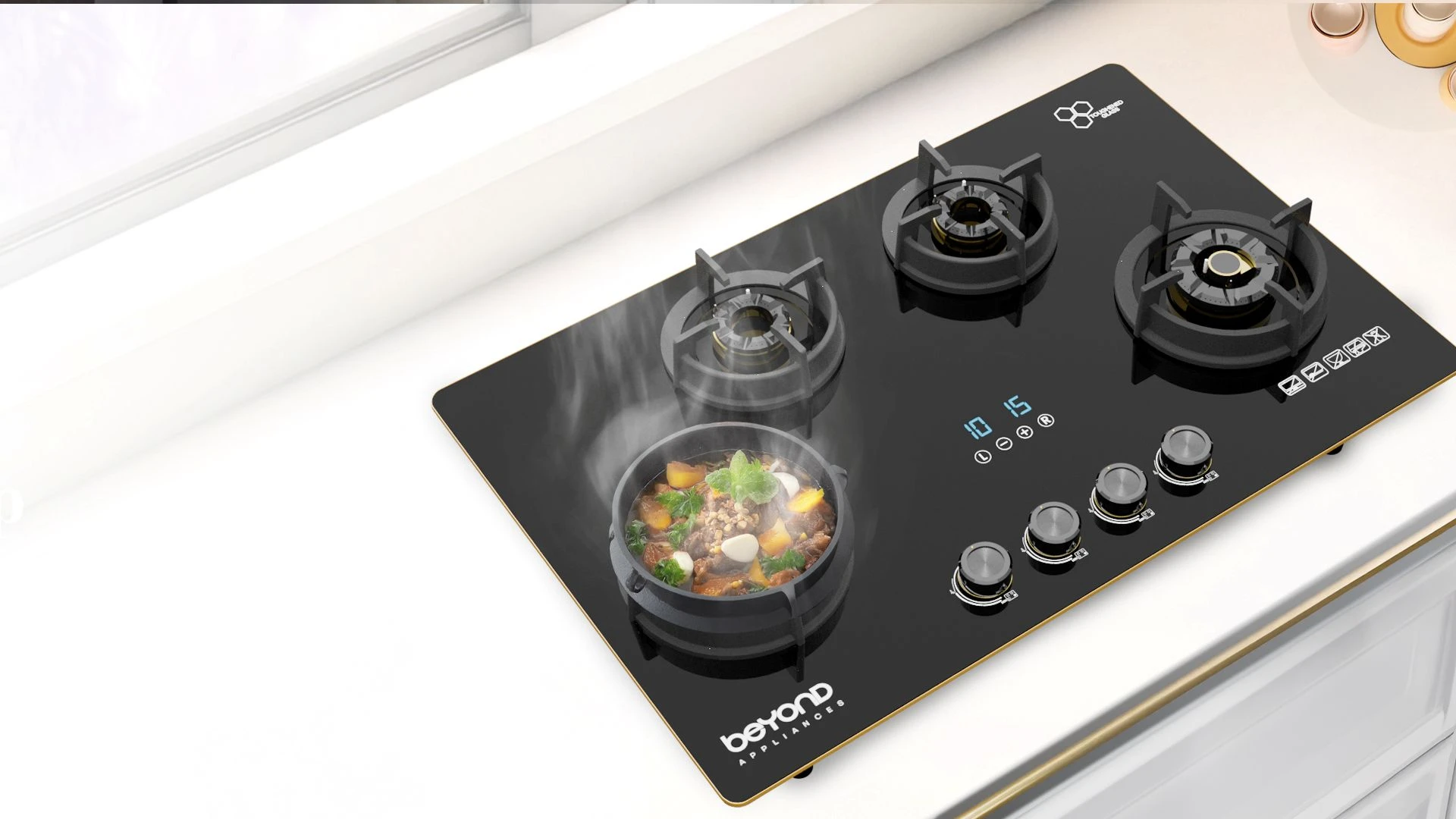
Choosing the right stove for your kitchen or outdoor adventures can feel overwhelming with so many options available. Whether you're setting up a compact modern design kitchen, planning camping trips, or simply trying to maximize your cooking efficiency, understanding the differences between single and multi burner stoves is crucial. This comprehensive guide breaks down everything you need to know about portable stoves, gas stoves, electric stoves, and induction cooktops to help you make the best decision for your specific needs and budget.
The fundamental difference between single and multi burner stoves lies in their cooking capacity and design philosophy. Single burner stoves feature one cooking surface, making them ideal for simple meals and space-conscious environments. Multi burner systems offer two or more cooking surfaces, enabling simultaneous food preparation and complex meal creation. Single burner stoves excel in portability and simplicity. They're perfect for camping adventures, small apartments, or as backup cooking solutions. These compact units typically consume less energy and require minimal storage space. Most portable stove models fall into this category, offering excellent value for outdoor enthusiasts and minimalist cooks. Multi burner stoves provide cooking versatility that single units cannot match. You can boil water while sautéing vegetables, or prepare multiple dishes simultaneously. This efficiency becomes invaluable when cooking for families or entertaining guests. However, they require more counter space and typically cost more upfront.
Single burner stoves offer unique benefits that make them attractive for specific situations. Their compact design and focused functionality serve particular cooking needs exceptionally well.
The primary advantage of single burner stoves is their exceptional portability. Most models weigh under 5 pounds, making them perfect camping companions. They require minimal storage space, fitting easily into small kitchen cabinets or camping gear. Energy consumption remains low since you're only powering one cooking surface. Cost effectiveness represents another significant benefit. Single burner units typically cost 50-70% less than comparable multi burner systems. This makes them excellent starter appliances for students, young professionals, or anyone on a tight budget. Maintenance costs also remain minimal with fewer components to service or replace.
The main drawback involves cooking time constraints. Preparing complex meals requires sequential cooking, significantly extending meal preparation time. You cannot simultaneously cook rice while preparing curry, forcing you to plan meals carefully around single-surface limitations. Meal complexity becomes naturally limited with single burner systems. Elaborate dishes requiring multiple cooking techniques or timing coordination become challenging or impossible. This limitation particularly affects those who enjoy cooking diverse cuisines or entertaining guests with multi-course meals.
Camping stove applications represent the most obvious use case. Butane stoves and propane stoves excel in outdoor environments, providing reliable cooking power regardless of location. Their compact size and fuel efficiency make them essential camping equipment. Studio apartments and tiny homes benefit enormously from single burner efficiency. When counter space is premium, these units provide essential cooking capability without overwhelming small kitchens. Office break rooms, RVs, and guest houses also represent ideal applications where simple cooking needs predominate.
Multi burner stoves transform cooking from a sequential process into a simultaneous operation. This fundamental shift opens up cooking possibilities that single burner systems simply cannot provide.
Simultaneous cooking capabilities represent the most significant advantage. You can prepare complete meals efficiently, cooking proteins while vegetables steam and sauces simmer. This parallel processing dramatically reduces total cooking time and enables complex meal preparation. Professional cooking flexibility becomes possible with multiple burners. Different heat zones allow for various cooking techniques simultaneously. You might use high heat for searing while maintaining low heat for delicate sauces. This versatility particularly benefits serious home cooks and culinary enthusiasts.
Higher upfront costs represent the primary drawback. Quality multi burner systems typically cost INR 15,000-50,000 more than single burner alternatives. Installation costs may also increase, particularly for gas stove systems requiring professional setup. Increased space requirements can challenge smaller kitchens. Multi burner units need adequate counter space and proper ventilation. Energy consumption also rises proportionally with additional burners, potentially increasing utility costs.
Family cooking scenarios benefit most from multi burner systems. Preparing meals for 4+ people becomes significantly easier when multiple dishes cook simultaneously. Holiday entertaining and meal prep sessions particularly showcase multi burner advantages. Professional and semi-professional kitchens require multi burner capability. Restaurant-style cooking demands multiple heat sources for efficient service. Home chefs pursuing culinary excellence also find multi burner systems essential for advanced techniques.
Fuel type significantly impacts stove performance, cost, and usability. Understanding each option helps you choose the best system for your specific needs and environment.
Butane stoves excel in moderate temperature conditions, typically performing best above 32°F. They offer excellent heat control and burn cleanly, making them popular for indoor portable cooking. Butane canisters are widely available and relatively inexpensive, typically costing INR 150-300 per canister. Propane stoves perform better in cold weather conditions, maintaining consistent pressure even below freezing. They provide higher heat output than butane, making them ideal for outdoor cooking and high-demand applications. Propane costs slightly more but offers better performance reliability.
Gas stoves provide instant heat control and visual flame indicators that many chefs prefer. They work during power outages and offer precise temperature adjustment. Operating costs vary by region but typically remain competitive with electric alternatives. Electric stoves offer consistent heat distribution and easier cleaning. They integrate well with modern kitchen designs and don't require gas line installation. However, they respond more slowly to temperature changes and become unusable during power outages.
Induction cooktops represent the most energy-efficient cooking technology available. They heat cookware directly through magnetic fields, achieving 85-90% energy transfer efficiency compared to 40-50% for gas systems. This efficiency translates to faster cooking times and lower energy costs. Safety features make induction particularly attractive for families. The cooking surface remains relatively cool, reducing burn risks. Automatic shut-off and precise temperature control provide additional safety benefits that traditional systems cannot match.
Proper sizing ensures your stove choice complements rather than overwhelms your kitchen space. Counter space, storage, and workflow all influence the optimal stove selection for your specific situation. Single burner portable stoves typically require 12-18 inches of counter space, making them suitable for even the smallest kitchens. Storage requirements remain minimal, with most units fitting in standard cabinets. Multi burner systems need 24-36 inches of counter space and may require dedicated installation areas. Ventilation requirements vary significantly between fuel types. Gas stoves need adequate air circulation and may require range hoods for safe operation. Electric and induction systems produce less combustion byproducts but still benefit from proper ventilation during heavy cooking sessions. Workflow optimization becomes crucial in smaller spaces. Consider how stove placement affects your cooking process and movement patterns. Single burner systems work well in linear kitchen layouts, while multi burner systems suit L-shaped or galley configurations better.
Performance characteristics directly impact your cooking experience and results. Understanding these factors helps you choose systems that match your cooking style and requirements.
Gas burners typically produce 5,000-15,000 BTUs per hour, with higher-end models reaching 20,000+ BTUs. This translates to rapid heating and excellent high-temperature cooking capability. Portable butane stoves usually generate 8,000-12,000 BTUs, sufficient for most cooking tasks. Electric systems measure output in watts, typically ranging from 1,200-3,000 watts per element. Induction cooktops often provide the fastest heating, bringing water to boil 25-50% faster than gas alternatives despite lower apparent power ratings.
Gas systems offer excellent temperature control with immediate response to adjustments. Visual flame indicators help gauge heat levels intuitively. Simmer capabilities remain excellent, particularly important for delicate sauces and slow cooking. Induction cooktops provide the most precise temperature control, maintaining exact temperatures within 1-2 degrees. This precision benefits techniques requiring specific temperatures, such as chocolate tempering or candy making.
Induction technology leads efficiency rankings, converting 85-90% of energy into cooking heat. Gas systems achieve 40-50% efficiency, while traditional electric systems reach 65-70%. These differences significantly impact operating costs over time. Environmental impact varies by local energy sources. Electric systems powered by renewable energy offer the lowest environmental impact, while gas systems produce direct combustion emissions regardless of source.
Understanding total cost of ownership helps you make financially sound decisions. Initial purchase price represents only part of the equation when evaluating stove options.
Basic single burner portable stoves start around INR 2,000-5,000, making them accessible for most budgets. Premium camping stoves with advanced features cost INR 8,000-15,000. Multi burner portable systems typically range from INR 10,000-25,000. Built-in gas stoves range from INR 15,000-50,000 depending on features and build quality. Electric and induction cooktops span similar price ranges, with premium models exceeding INR 75,000. Installation costs add INR 2,000-8,000 for gas systems requiring professional setup.
Fuel costs vary significantly by type and usage patterns. Butane canisters cost INR 150-300 each, typically lasting 2-4 hours of cooking. Propane offers better value for extended use, with refills costing INR 400-800. Electricity costs depend on local rates and usage patterns. Induction systems typically cost 30-50% less to operate than traditional electric systems due to superior efficiency. Gas costs remain relatively stable but vary by region and supplier.
Durability expectations vary by construction quality and usage intensity. Quality portable stoves last 5-10 years with proper maintenance. Built-in systems often provide 15-20 years of service, making them excellent long-term investments. Versatility affects value significantly. Multi burner systems serve more cooking scenarios, potentially eliminating needs for additional appliances. Single burner systems excel in specific applications but may require supplementation for complex cooking needs.
Yes, you can prepare complete meals using sequential cooking methods. Start with dishes requiring longer cooking times, then prepare quick-cooking items. One-pot meals work particularly well on single burner systems.
Single burner portable stoves excel for camping due to their compact size and fuel efficiency. Butane stoves work well in moderate weather, while propane stoves perform better in cold conditions.
Single burner stoves need 12-18 inches of counter space, while multi burner systems require 24-36 inches. Consider additional space for food preparation and safety clearances.
Multi burner portable stoves justify their cost when cooking for groups or preparing complex meals outdoors. For solo camping or simple cooking, single burner systems offer better value.
Induction cooktops provide the highest energy efficiency, converting 85-90% of energy into cooking heat. They also generate less ambient heat, keeping small spaces cooler.
Propane provides the most reliable outdoor performance, maintaining consistent pressure in various weather conditions. It offers higher heat output than butane and works well in cold temperatures.
Induction cooktops offer superior precision, maintaining exact temperatures within 1-2 degrees. Gas provides excellent control with immediate response, but induction offers more precise temperature maintenance.
Look for automatic shut-off features, stable base designs, and proper fuel connections. Wind guards help outdoor performance, while piezo ignition eliminates match needs.
Choosing between single and multi burner stoves depends on your specific cooking needs, space constraints, and budget considerations. Single burner systems excel in portability, cost-effectiveness, and space efficiency, making them perfect for camping, small kitchens, and simple cooking needs. Multi burner systems provide cooking versatility and efficiency that serious cooks and families require for complex meal preparation. Consider your cooking style, available space, and long-term needs when making this important decision. Both options offer excellent value when matched to appropriate applications, ensuring years of reliable cooking performance.
