

Modern vs Traditional: Chimney Features Compared
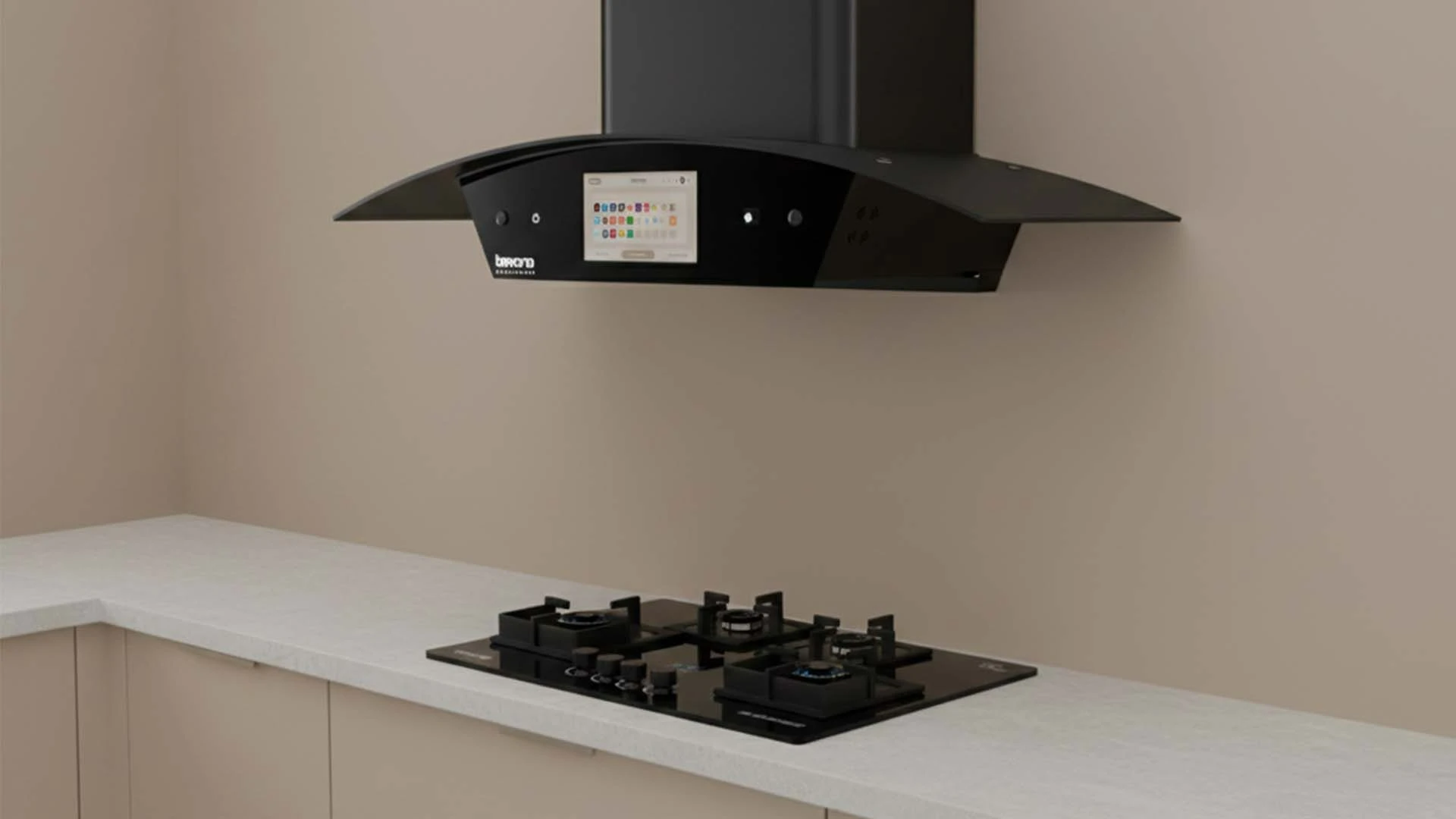
The kitchen chimney has evolved dramatically over the decades, transforming from simple smoke extraction systems to sophisticated appliances that combine powerful performance with smart technology. Understanding chimney features explained helps homeowners make informed decisions about which system best suits their cooking needs and kitchen design. Whether you're renovating an existing kitchen or planning a new one, knowing the differences between traditional and modern chimney systems ensures you invest in the right solution for your home.
Every chimney system, regardless of its design philosophy, serves the fundamental purpose of removing smoke, grease, and cooking odors from your kitchen. The parts of a chimney work together to create an efficient ventilation system that keeps your cooking space clean and comfortable. Traditional systems rely on natural draft principles, while modern electric chimneys use powered suction to achieve superior performance. The evolution from traditional to modern chimney design reflects changing cooking habits, kitchen layouts, and technological advances. Today's homeowners expect their chimneys to do more than just remove smoke – they want quiet operation, easy maintenance, and seamless integration with contemporary kitchen aesthetics. Understanding these fundamental differences helps you evaluate which features matter most for your specific cooking style and kitchen setup.
Traditional chimney construction relies on time-tested principles of natural ventilation and durable masonry materials. These systems typically feature brick or stone construction with clay tile liners, designed to withstand high temperatures and provide decades of reliable service. The chimney anatomy includes essential components like the firebox, smoke chamber, flue, damper, and chimney cap, each serving a specific function in the smoke removal process. The beauty of traditional chimney systems lies in their simplicity and longevity. Built with natural materials, they require minimal mechanical components and can function effectively for generations with proper maintenance. However, traditional systems work best with consistent heat sources and may struggle with intermittent cooking patterns common in modern kitchens.
Traditional chimneys operate on the principle of natural draft, where hot air rises through the flue due to temperature differences between indoor and outdoor air. This passive system requires proper sizing and construction to function effectively.
Masonry construction provides exceptional durability, with properly built traditional chimneys lasting 50-100 years. The thermal mass of brick and stone helps regulate temperature changes and provides excellent structural integrity.
The modern chimney represents a complete reimagining of kitchen ventilation technology. Electric-powered systems deliver consistent, controllable suction regardless of weather conditions or temperature differences. Advanced filtration systems, including baffle filters, cassette filters, and carbon filters, capture grease and odors more effectively than traditional methods. Smart technology integration has revolutionized how we interact with kitchen chimneys. Touch controls, gesture sensors, and remote operation make it easy to adjust settings without interrupting your cooking. Auto-clean functions use heat or steam to break down grease deposits, significantly reducing maintenance requirements. LED lighting provides excellent task illumination while adding aesthetic appeal to your cooking space.
The compact chimney addresses the space constraints of modern kitchens without compromising performance. Wall-mounted designs maximize cabinet space, while sleek profiles complement contemporary kitchen aesthetics.
Modern chimneys employ multiple filtration stages, with baffle filters capturing grease particles and carbon filters neutralizing odors. This multi-stage approach ensures cleaner air and reduces the need for frequent filter replacement.
Understanding different chimney types helps you select the right configuration for your kitchen layout and cooking habits. Wall-mounted chimneys offer the most common installation option, providing excellent suction power while maintaining easy access to cooktop controls. Island chimneys feature 360-degree suction capabilities, making them ideal for open kitchen designs where the cooktop sits away from walls. Built-in chimneys integrate seamlessly with cabinetry, creating a clean, uninterrupted kitchen design. Corner chimneys maximize space efficiency in compact kitchens, while ductless systems offer installation flexibility where external venting isn't possible. Each type brings specific advantages depending on your kitchen layout and ventilation requirements.
Different chimney types require specific installation approaches, from simple wall mounting to complex island installations that may require ceiling reinforcement and specialized ductwork.
When comparing chimney functions, suction capacity stands as the most critical performance indicator. Measured in cubic feet per minute (CFM), suction power determines how effectively your chimney removes smoke and odors. Indian cooking typically requires higher suction capacity due to the use of spices and oil-based preparations that generate more smoke and grease. Motor quality directly impacts both performance and longevity. Dual motors provide redundancy and higher suction power, while variable speed controls allow you to match ventilation to cooking intensity. Noise levels, measured in decibels, affect kitchen comfort – look for chimneys operating below 58 dB for pleasant cooking experiences.
Filter design significantly impacts both performance and maintenance requirements. Baffle filters excel at grease capture and are dishwasher-safe, while cassette filters offer easy replacement but require regular changes.
Chimney materials and motor efficiency affect long-term operating costs. Stainless steel construction provides durability and easy cleaning, while energy-efficient motors reduce electricity consumption without compromising performance.
The choice between modern and traditional chimney systems involves weighing performance, maintenance, and aesthetic considerations. Modern electric chimneys deliver superior and consistent performance regardless of weather conditions, while traditional systems depend on natural draft that can be affected by wind and temperature variations. Maintenance requirements differ significantly between the two approaches. Traditional chimneys require annual professional cleaning and periodic masonry repairs, while modern systems need regular filter cleaning or replacement but minimal structural maintenance. Installation complexity varies too – traditional systems require extensive masonry work and proper flue sizing, while modern chimneys offer flexible mounting options and easier retrofitting. From an aesthetic standpoint, traditional chimneys provide timeless appeal and architectural character, while modern designs offer sleek profiles that complement contemporary kitchen styles. Long-term value considerations include the durability of traditional masonry versus the technological advancement and efficiency of modern systems.
The most critical features include adequate suction power (measured in CFM), efficient filtration systems, low noise operation, and easy maintenance. For Indian kitchens, look for chimneys with at least 1000 CFM suction capacity and heat-resistant construction.
Modern electric chimneys with high suction power and efficient grease filtration work best for Indian cooking. The high heat and oil content in Indian cuisine requires powerful ventilation that electric chimneys provide more consistently than traditional systems.
Auto-clean features use heat or steam to break down grease deposits on internal surfaces. Heat auto-clean systems raise internal temperatures to burn off grease, while steam cleaning uses moisture to soften deposits for easier removal.
Baffle filters use curved metal plates to capture grease through centrifugal force and are dishwasher-safe for easy cleaning. Cassette filters use layered mesh or aluminum to trap particles but require replacement rather than cleaning.
Calculate required CFM by multiplying your kitchen's cubic footage by 15 for gas cooktops or 10 for electric. Add 100 CFM for each additional burner beyond four, and increase by 25% for heavy Indian cooking.
Choosing between modern and traditional chimney systems depends on your cooking habits, kitchen design, and maintenance preferences. Modern electric chimneys offer superior performance, smart features, and easier maintenance, making them ideal for contemporary kitchens and intensive cooking. Traditional systems provide timeless appeal and exceptional durability but require more maintenance and work best with consistent heat sources. Understanding these differences ensures you select a chimney system that enhances your cooking experience while complementing your kitchen's design and functionality.
