

Modern Kitchen Chimney vs Traditional Exhaust
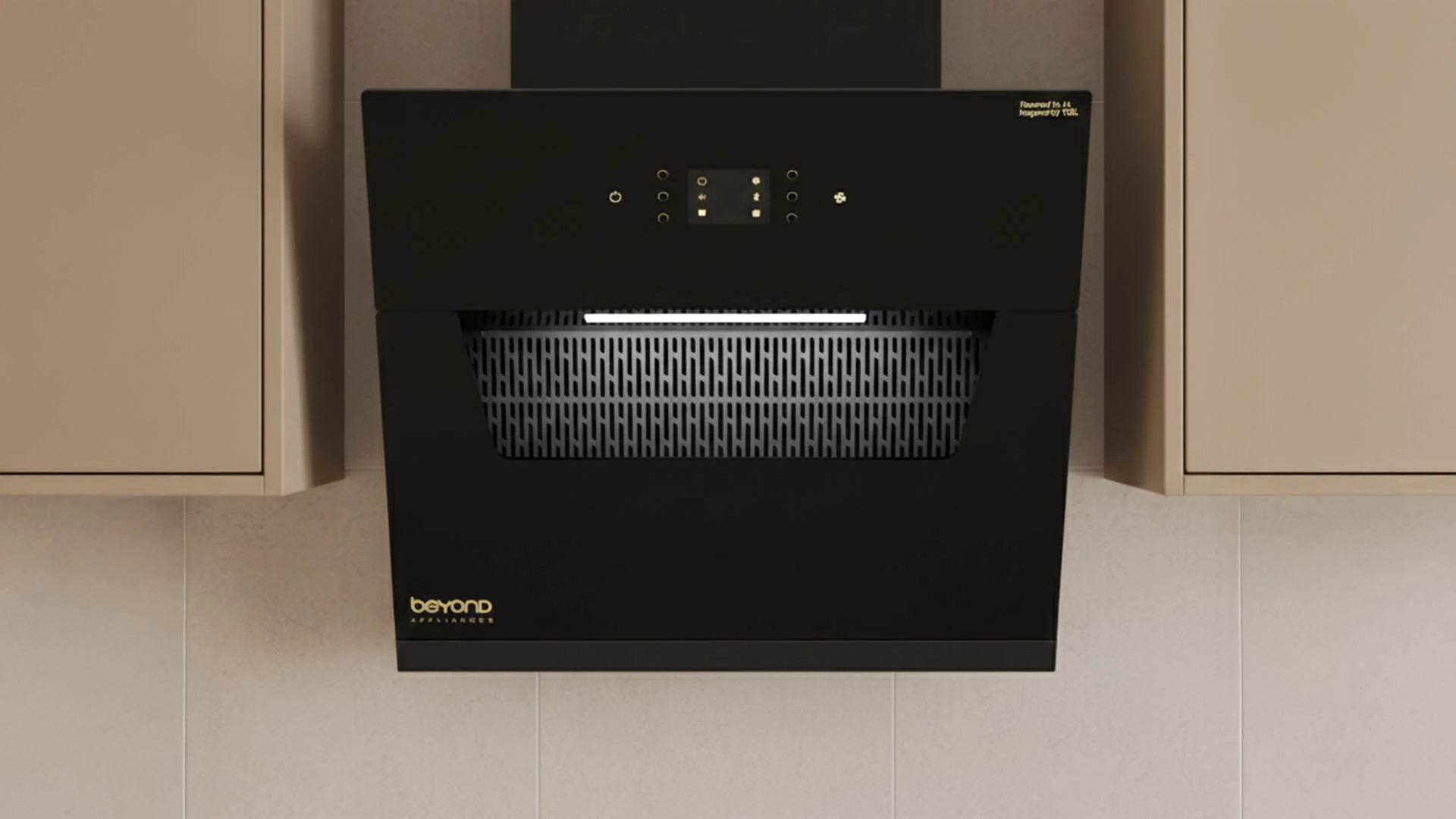
Modern kitchens demand smart solutions that blend functionality with style. The choice between a modern kitchen chimney and traditional exhaust systems has become crucial for homeowners seeking efficient kitchen ventilation. With Indian cooking styles producing significant smoke and grease, understanding the differences between these systems helps you make an informed decision. Traditional exhaust fans, while budget-friendly, often fall short of handling heavy-duty cooking demands. Modern chimneys offer superior performance, aesthetic appeal, and advanced features that transform your cooking experience. This comprehensive guide explores everything you need to know about choosing modern kitchen chimney systems that perfectly match your lifestyle and kitchen requirements.
The fundamental difference between modern kitchen chimney systems and traditional kitchen exhaust fan units lies in their design philosophy and performance capabilities. Traditional exhaust fans simply pull air out through a basic motor and blade system, offering limited suction power typically ranging from 150-300 cubic meters per hour. Modern chimneys feature sophisticated suction technology with powerful motors delivering 400-1200 cubic meters per hour, ensuring complete smoke and odor elimination.
Modern chimneys incorporate advanced filtration systems including baffle filters and cassette filters that capture grease particles effectively. Traditional exhaust systems lack proper filtration, allowing grease to accumulate in ducts and reducing overall efficiency over time. Energy consumption also differs significantly, with modern chimneys featuring energy-efficient motors and LED lighting systems.
While traditional exhaust fans offer basic functionality, stylish kitchen chimney designs enhance your kitchen's visual appeal. Modern chimneys come in various finishes including stainless steel, black glass, and copper, seamlessly integrating with contemporary kitchen designs. The sleek profiles and elegant curves of modern chimneys create a premium look that traditional exhaust fans cannot match.
Understanding different types of kitchen chimneys helps you select the perfect match for your kitchen layout and cooking requirements. Each type offers unique advantages and installation considerations that impact both functionality and aesthetics.
Wall-mounted designs represent the most popular kitchen chimney design choice for standard Indian kitchens. These units mount directly against the wall above your cooktop, offering excellent suction power and easy maintenance access. Available in 60cm, 75cm, and 90cm widths to match different hob sizes.
Island chimneys suit open-plan kitchens with central cooking areas. These ceiling-mounted units provide 360-degree suction coverage and serve as striking design elements. The installation requires proper ceiling support and professional ductwork planning.
Built-in chimneys offer seamless integration with kitchen cabinetry, creating a clean, minimalist appearance. These designs work perfectly in modular kitchens where aesthetics matter as much as functionality. The concealed installation maintains visual continuity while delivering powerful performance.
Corner chimneys maximize space utilization in compact kitchens. Angular designs fit perfectly in kitchen corners, providing effective ventilation without compromising movement space. These specialized designs often feature adjustable mounting systems for flexible installation.
Small kitchens require smart compact kitchen chimney solutions that deliver maximum performance within limited space constraints. The best kitchen chimney for small spaces combines efficient suction with space-saving design elements.
Compact chimneys feature slim profiles typically measuring 7-10 inches in depth compared to standard 15-18 inch models. Telescopic designs allow height adjustment, accommodating varying ceiling heights. Foldable or retractable components provide additional space when not in use.
For chimney for small kitchen applications, 60cm width models work perfectly with 2-3 burner hobs. These compact units deliver 400-600 cubic meters per hour suction, adequate for regular Indian cooking. The reduced size doesn't compromise performance when properly matched to kitchen dimensions.
Modern compact chimneys integrate additional features like LED task lighting, digital displays, and gesture controls. Some models include built-in spice racks or storage compartments, maximizing functionality in limited space. These smart features enhance cooking convenience without requiring additional installation space.
A comprehensive chimney buying guide considers multiple factors that impact long-term satisfaction and performance. Understanding these elements ensures you select the perfect chimney for your specific requirements.
Measure your kitchen's cubic volume to determine required suction capacity. Standard Indian kitchens measuring 8x10 feet need 600-800 cubic meters per hour capacity. Open kitchens connected to living areas require higher capacity models reaching 1000-1200 cubic meters per hour for effective smoke clearance.
Heavy Indian cooking with frequent frying and grilling demands powerful suction systems. Daily cooking families benefit from auto-clean features and robust filtration systems. Occasional cooking households can opt for basic models with manual cleaning requirements.
Baffle filters offer superior grease capture and easy maintenance, ideal for heavy cooking. Cassette filters provide good performance at lower costs but require frequent replacement. Filterless technology eliminates maintenance but costs more initially.
Entry-level chimneys start around INR 8,000-15,000 with basic features. Mid-range options priced INR 15,000-30,000 offer better build quality and additional features. Premium models above INR 30,000 include advanced technology and superior aesthetics.
Technical specifications determine real-world performance and long-term reliability. Understanding these parameters helps identify the best kitchen chimney for your specific cooking requirements.
Suction capacity measured in cubic meters per hour directly impacts smoke removal efficiency. Standard Indian cooking requires minimum 400-600 m³/hr capacity. Heavy cooking with multiple burners needs 800-1200 m³/hr for optimal performance. Motor quality affects noise levels and durability.
Baffle filters use curved metal plates creating turbulence that separates grease from air. These stainless steel filters last longer and clean easily in dishwashers. Cassette filters use multiple layers of aluminum mesh requiring periodic replacement but cost less initially.
Quality chimneys operate below 58 decibels at maximum speed, ensuring comfortable cooking environments. Energy-efficient models consume 150-250 watts, significantly less than traditional exhaust fans. LED lighting systems reduce power consumption while providing better task illumination.
Proper installation ensures optimal performance and safety. Understanding sizing requirements and installation considerations prevents common problems and maximizes chimney effectiveness.
Chimney width should match or exceed your hob width for effective coverage. Standard sizes include 60cm for 2-3 burner hobs, 75cm for 3-4 burner hobs, and 90cm for large cooking surfaces. Height installation typically ranges 24-30 inches above the cooking surface.
Duct routing affects performance significantly. Straight ducts with minimal bends provide optimal airflow. External wall venting works best, while recirculation modes suit apartments without external access. Professional installation ensures proper ductwork and electrical connections.
Professional installation guarantees proper mounting, electrical connections, and ductwork. DIY installation saves costs but requires technical knowledge and proper tools. Warranty coverage often depends on professional installation, making it worthwhile for expensive models.
Consider your kitchen size, cooking frequency, and budget. Calculate required suction capacity based on kitchen volume. Match chimney width to your hob size and select appropriate filter technology. Professional consultation helps optimize selection for specific requirements.
Indian kitchens typically need 400-800 cubic meters per hour for regular cooking. Heavy cooking with frequent frying requires 800-1200 m³/hr capacity. Calculate 10-12 times your kitchen volume for optimal performance.
Filter chimneys offer better grease capture and easier maintenance. Filterless models eliminate filter replacement costs but require more frequent internal cleaning. Choose based on your maintenance preferences and cooking style.
Baffle filters need cleaning every 2-3 months with heavy use, monthly with moderate cooking. Cassette filters require replacement every 3-6 months depending on usage. Auto-clean features reduce manual maintenance requirements.
Small kitchens work well with 60cm width chimneys offering 400-600 m³/hr capacity. Compact designs with 7-10 inch depth fit better in limited spaces while maintaining adequate performance.
Choosing between modern kitchen chimneys and traditional exhaust systems significantly impacts your cooking experience and kitchen aesthetics. Modern chimneys offer superior performance, advanced features, and elegant designs that traditional systems cannot match. Consider your kitchen size, cooking style, and budget when selecting the perfect chimney. Proper sizing and professional installation ensure optimal performance and longevity. Invest in quality filtration technology and adequate suction capacity for the best results. Regular maintenance keeps your chimney operating efficiently for years. The right modern kitchen chimney transforms your cooking space into a comfortable, odor-free environment that enhances your culinary adventures.
