

Minimalist Hobtop Kitchen Aesthetics vs. Traditional Cooktops: A Comparison
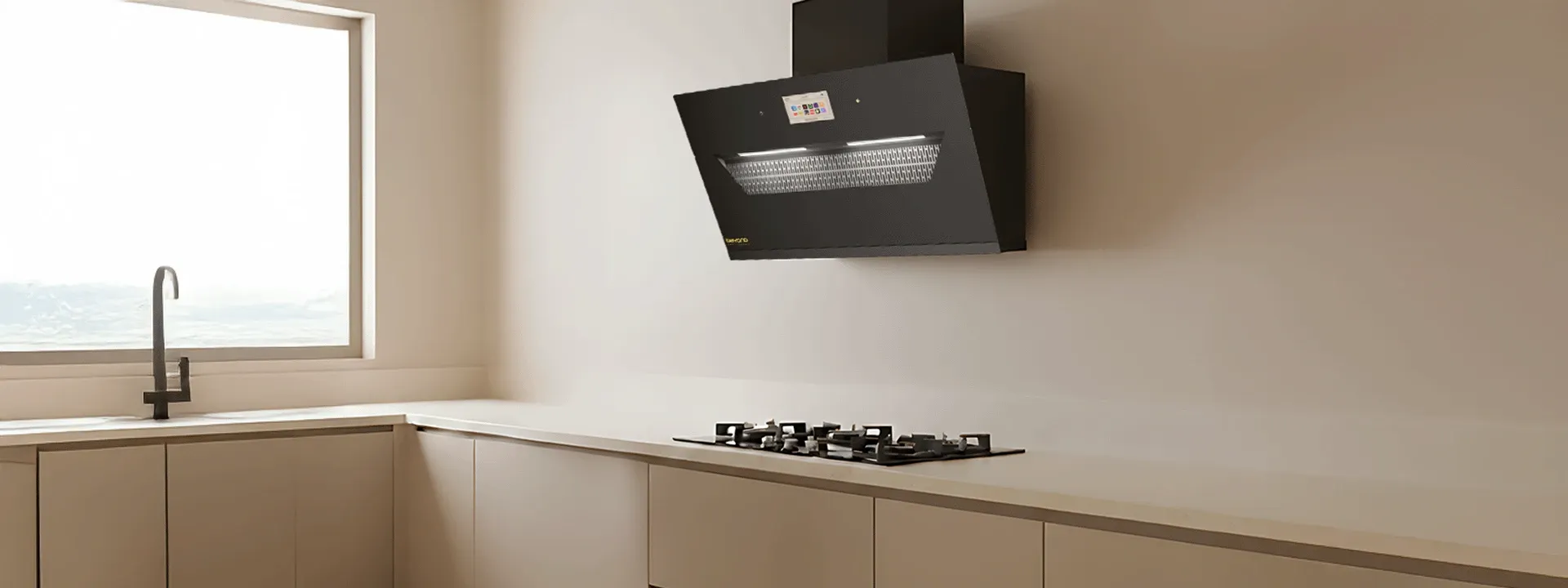
Modern kitchens are evolving from cluttered, traditional spaces to streamlined sanctuaries that prioritize both function and visual appeal. The choice between minimalist hobtop kitchen aesthetics and traditional cooktops has become a defining decision for homeowners seeking to create their ideal cooking environment. This fundamental choice impacts everything from daily cooking routines to the overall ambiance of your home's heart.
Your hobtop selection serves as more than just a cooking appliance—it becomes the centerpiece that either enhances or disrupts your kitchen's visual flow. Understanding the distinct advantages and considerations of each approach helps you make an informed decision that aligns with your lifestyle, cooking habits, and design preferences.
Minimalist kitchen design revolves around the philosophy that less is more, creating spaces that feel open, organized, and effortlessly elegant. This approach emphasizes clean lines, uncluttered surfaces, and thoughtful integration of every element. The goal is to achieve maximum functionality while maintaining visual simplicity that promotes a sense of calm and order.
In a minimalist kitchen, every design choice serves a purpose, from the color palette to the appliance selection. Neutral tones dominate the space, typically featuring whites, grays, and natural materials that create visual continuity throughout the room.
The foundation of minimalist design rests on several key principles that work together to create cohesive, peaceful spaces. Clean lines eliminate visual noise, while carefully selected materials maintain harmony throughout the room.
Seamless surfaces that flow from countertops to backsplashes
Hidden storage solutions that maintain clutter-free appearances
Integrated appliances that blend into cabinetry
Neutral color schemes with strategic accent placement
Natural lighting that enhances spatial perception
The hobtop design significantly influences how your kitchen functions and feels on a daily basis. Flush-mounted installations create uninterrupted countertop surfaces that enhance the sense of space and simplify cleaning routines.
Strategic placement of your hobtop within the kitchen triangle ensures optimal workflow while maintaining the visual integrity of your modern kitchen design. The seamless integration reduces visual weight and allows other design elements to shine.
Modern hobtops designed for minimalist aesthetics prioritize both form and function, offering sophisticated solutions that enhance your cooking experience while maintaining visual simplicity. These appliances integrate seamlessly into contemporary kitchen environments, creating the illusion of uninterrupted surfaces.
The technology behind sleek hobtop designs has advanced significantly, offering features that were once impossible to achieve while maintaining clean aesthetics. Touch controls, invisible ventilation systems, and flush-mount installations represent the pinnacle of modern appliance design.
Contemporary hobtops feature glass or ceramic surfaces that create mirror-like finishes when not in use. These materials resist stains and scratches while providing easy maintenance that preserves their pristine appearance over time.
Flush-mount installation that sits level with countertops
Touch-sensitive controls that disappear when inactive
Induction technology for precise temperature control
Integrated ventilation systems that eliminate visible range hoods
LED indicators that provide subtle operational feedback
In compact kitchen environments, every square inch matters. Minimalist hobtops maximize usable space by eliminating raised edges and protruding elements that can make small areas feel cramped.
The streamlined profile of modern hobtops allows for creative placement options, including integration into kitchen islands or peninsula configurations that enhance workflow in tight spaces.
The smooth surfaces of minimalist hob designs simplify daily cleaning routines significantly. Spills wipe away easily without getting trapped in crevices or around raised burner elements.
Quality materials and construction ensure these appliances maintain their appearance and performance for years, making them worthwhile investments for homeowners prioritizing long-term value and aesthetic consistency.
Traditional cooktops have served kitchens reliably for decades, offering proven performance and familiar operation that many cooking enthusiasts prefer. These appliances typically feature raised burner elements, separate control panels, and robust construction that prioritizes function over form.
The conventional approach to cooktop design emphasizes accessibility, repairability, and cooking performance. While they may not offer the seamless integration of modern alternatives, traditional cooktops provide reliable service and straightforward operation that appeals to practical homeowners.
Gas burners remain popular for their instant heat control and visual feedback during cooking. The flame provides immediate indication of heat levels, allowing experienced cooks to adjust temperatures intuitively.
Raised burner grates that accommodate various cookware sizes
Separate control knobs for precise flame adjustment
Durable cast iron or steel construction
Standard installation requirements that fit existing cutouts
Accessible components for maintenance and repairs
Traditional cooktops excel in cooking performance, particularly for techniques that require high heat or specific flame characteristics. Professional chefs often prefer gas burners for their responsiveness and control precision.
The modular nature of traditional cooktops allows for component replacement and repair, extending their useful life and reducing long-term ownership costs compared to integrated systems.
Choosing between minimalist and traditional cooktop approaches involves weighing aesthetic preferences against functional requirements. Each option offers distinct advantages that appeal to different cooking styles and design philosophies.
The decision ultimately depends on your priorities: visual integration and modern convenience versus proven performance and traditional reliability. Understanding these trade-offs helps you select the option that best serves your specific needs.
Minimalist hobtops create seamless visual flow that enhances the perception of space and cleanliness. The uninterrupted surfaces reflect light effectively, making kitchens appear larger and more open.
Traditional cooktops add visual weight and texture that can complement classic kitchen designs but may disrupt the clean lines essential to contemporary kitchen aesthetics.
Induction technology in modern hobtops offers precise temperature control and energy efficiency that surpasses traditional gas burners. The responsive heating and safety features appeal to families with young children.
Gas cooktops provide instant heat adjustment and work during power outages, making them reliable choices for serious cooking enthusiasts who value performance over appearance.
Initial investment for minimalist hobtops typically exceeds traditional cooktop costs, but energy efficiency and durability can offset higher upfront expenses over time. Installation complexity varies significantly between options.
Traditional cooktops often fit existing cutouts and electrical connections, reducing renovation costs for homeowners updating older kitchens without major modifications.
Your lifestyle, cooking habits, and design preferences should guide your decision between minimalist and traditional cooktop options. Consider how you use your kitchen daily and what aspects matter most to your household's satisfaction.
The best choice aligns with your long-term vision for your home while meeting immediate functional needs. Take time to evaluate both aesthetic and practical considerations before making this significant investment.
Open-plan living spaces benefit from the visual continuity that minimalist hobtops provide. The seamless integration supports the flow between kitchen and living areas without creating visual barriers.
Modern homes with contemporary design themes
Small kitchens requiring maximum visual space
Households prioritizing easy maintenance
Families with young children needing safety features
Classic kitchen designs benefit from the substantial presence and familiar operation of traditional cooktops. These appliances complement transitional and traditional design themes effectively.
Budget-conscious renovations often favor traditional options due to lower initial costs and compatibility with existing infrastructure, reducing overall project expenses.
Some manufacturers offer semi-integrated designs that bridge the gap between minimalist and traditional approaches. These options provide modern convenience while maintaining familiar operation.
Phased renovation strategies allow homeowners to update gradually, starting with traditional appliances and transitioning to minimalist options during future upgrades.
Pursuing minimalist aesthetics without considering practical needs often leads to kitchens that look beautiful but function poorly. The most successful minimalist designs balance visual appeal with daily usability requirements.
Understanding common pitfalls helps you create spaces that maintain their beauty while serving your household's cooking and entertaining needs effectively. Planning for real-world use prevents costly redesigns later.
Prioritizing appearance over cooking performance creates frustration during daily use. Ensure your chosen hobtop meets your cooking style requirements while achieving desired aesthetic goals.
Adequate storage solutions prevent clutter from accumulating on pristine surfaces. Plan for sufficient cabinet space and organizational systems that maintain the clean appearance you desire.
Consider your family's actual cooking patterns when selecting appliances and designing layouts. Minimalist designs should enhance, not hinder, your daily routines and meal preparation habits.
Future-proofing involves selecting quality appliances and flexible designs that adapt to changing needs over time. Invest in solutions that serve you well for years to come.
A minimalist-friendly hobtop features flush-mount installation, smooth glass or ceramic surfaces, hidden controls, and seamless integration with countertops. These characteristics create uninterrupted visual flow while maintaining modern functionality and easy maintenance.
Initially, yes. Minimalist hobtops typically cost INR 15,000 to INR 50,000 more than traditional cooktops due to advanced technology and premium materials. However, energy efficiency and durability can offset higher upfront costs over the appliance's lifetime.
Retrofitting depends on your current countertop material and electrical setup. Solid surface countertops accommodate flush-mount installation better than tile. Professional assessment ensures proper fit and electrical requirements are met safely.
Minimalist hobtops actually require less maintenance than traditional cooktops. Smooth surfaces wipe clean easily, and there are no grates or drip pans to remove and clean. Use appropriate cleaners for glass or ceramic surfaces to maintain their appearance.
Minimalist hobtops excel in small kitchens because they create visual continuity that makes spaces appear larger. The flush installation maximizes usable counter space, while the clean lines prevent visual clutter that can make compact areas feel cramped.
The choice between minimalist hobtop kitchen aesthetics and traditional cooktops ultimately depends on your personal priorities, cooking style, and design vision. Minimalist options excel in creating seamless, modern spaces that feel open and uncluttered, while traditional cooktops offer proven performance and familiar operation at lower initial costs.
Consider your long-term goals, daily cooking habits, and budget constraints when making this important decision. Both approaches can create beautiful, functional kitchens when properly planned and executed. The key is selecting the option that best serves your specific needs while enhancing your home's overall design aesthetic.
