

Master Your Small Kitchen Chimney: Complete Guide
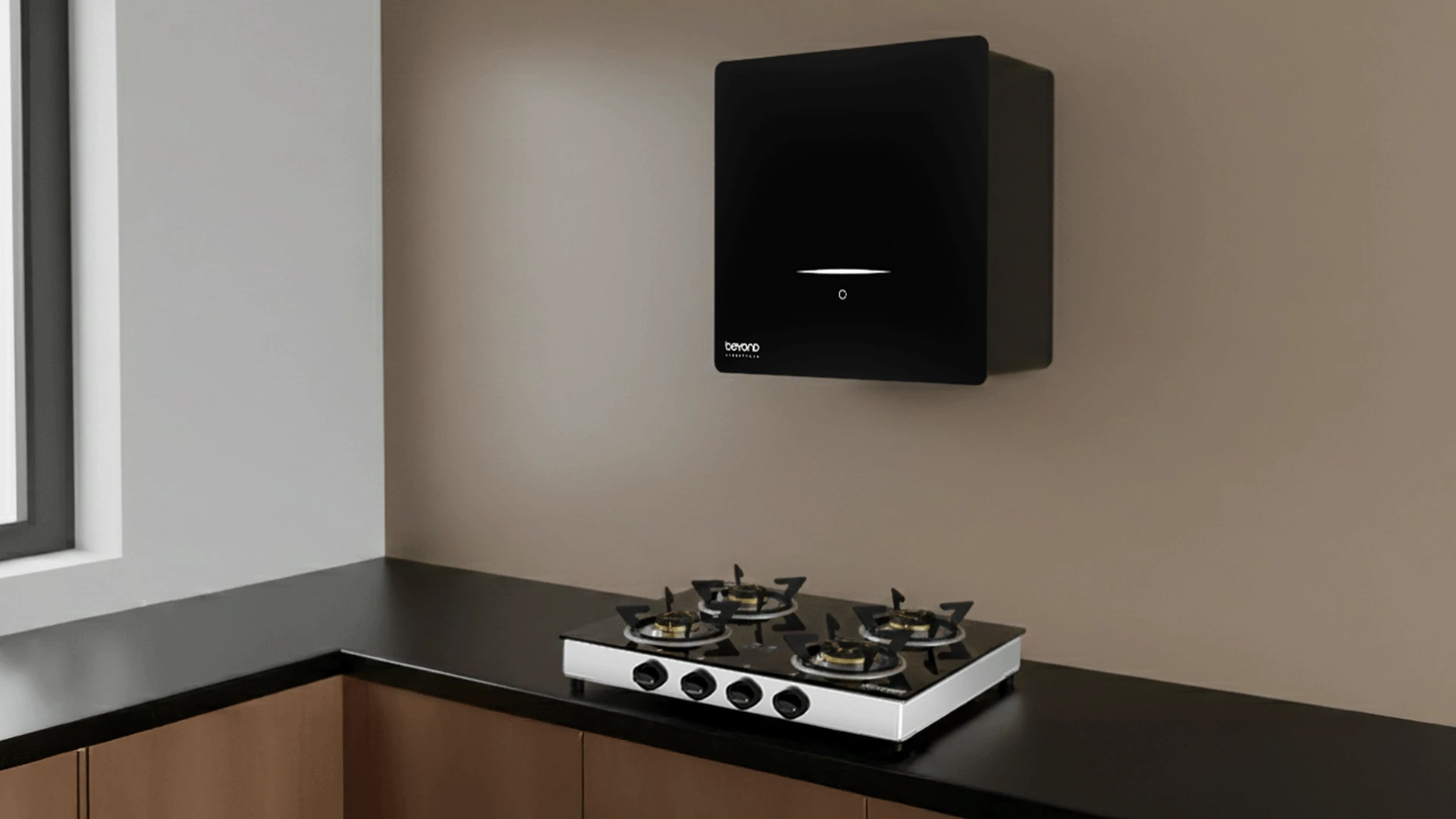
Small kitchens present unique challenges when it comes to ventilation, but the right compact kitchen chimney can transform your cooking experience. Whether you're dealing with a galley kitchen, studio apartment, or simply want to maximize every inch of space, understanding how to choose and use a small kitchen chimney effectively is crucial. Modern kitchen design has evolved to offer sophisticated kitchen exhaust solutions that don't compromise on performance despite their compact size. This comprehensive guide will walk you through everything you need to know about selecting, installing, and maintaining the perfect chimney for your small kitchen space.
A compact kitchen chimney differs significantly from standard-sized units in both design and functionality. These specialized appliances are engineered to deliver powerful suction and efficient smoke removal while occupying minimal space above your cooking area.
Compact chimneys typically measure between 60cm to 75cm in width, making them ideal for small cooking spaces. They feature concentrated suction power that compensates for their smaller size, often delivering 800-1200 CFM (Cubic Feet per Minute) of airflow. The motor placement and duct design are optimized to ensure maximum efficiency without requiring extensive installation space.
Modern space saving chimney designs incorporate telescopic mechanisms, allowing the unit to extend during cooking and retract when not in use. Some models feature slim profiles that blend seamlessly with kitchen cabinets, while others offer curved glass designs that create an illusion of more space.
Modern kitchen vent systems now include smart features like auto-clean functions, LED lighting, and touch controls. These technological advances make compact chimneys more user-friendly and maintenance-efficient than ever before.
Selecting the best chimney for small kitchen spaces requires careful consideration of size, mounting options, and your specific cooking needs. The right choice can dramatically improve air quality while enhancing your kitchen's aesthetic appeal.
For kitchens under 100 square feet, a 60cm chimney typically provides adequate coverage for 2-3 burner cooktops. Larger small kitchens (100-150 square feet) may benefit from 75cm units. The key is ensuring the chimney width matches or slightly exceeds your cooktop width for optimal smoke capture.
Wall mounted chimney designs are perfect for galley kitchens and spaces with low ceilings. They require minimal clearance and can be installed closer to the cooking surface. Ceiling-mounted options work well in open-plan small kitchens where wall space is limited.
Ductless kitchen chimney systems offer flexibility for apartments and rental properties where permanent ductwork installation isn't possible. These units use advanced filtration systems to clean and recirculate air, making them ideal for urban living situations.
Pyramid designs offer classic aesthetics with efficient smoke collection, while curved glass models create a modern look that visually expands small spaces. Straight or linear designs work well in minimalist kitchens where clean lines are preferred.
When evaluating kitchen exhaust solutions for small spaces, certain features become particularly important for both performance and practicality. Understanding these features helps you make an informed decision that serves your needs long-term.
Small kitchens typically require 400-800 CFM for effective ventilation. Higher CFM ratings ensure faster smoke and odor removal, which is crucial in compact spaces where cooking smells can quickly overwhelm the area. Look for chimneys with variable speed settings to adjust suction based on cooking intensity.
Auto-clean features use heat to break down oil and grease deposits, reducing manual maintenance requirements. This technology is particularly valuable in small kitchens where easy maintenance is essential for consistent performance.
In small spaces, noise levels become more noticeable. Look for chimneys operating below 58 decibels at maximum speed. Quality motors and sound insulation materials help maintain a peaceful cooking environment.
Baffle filters work best for Indian cooking styles, effectively capturing oil and grease particles. Cassette filters are easier to clean but may require more frequent maintenance. Some models offer combination filter systems for enhanced performance.
Proper installation is crucial for optimal performance and safety of your small kitchen chimney. Following established guidelines ensures your chimney operates efficiently while maintaining safety standards.
Maintain 24-30 inches clearance between the chimney and gas cooktops, or 20-24 inches for electric cooktops. This distance ensures effective smoke capture while preventing heat damage to the chimney components.
Ensure adequate electrical supply with proper grounding. Plan ductwork routes to minimize bends and maximize airflow efficiency. In small kitchens, creative routing may be necessary to avoid conflicts with cabinets and other fixtures.
While some compact chimneys offer simplified installation, professional installation ensures proper mounting, electrical connections, and ductwork optimization. This is particularly important in small spaces where precision is crucial.
Install appropriate fire-rated materials around the chimney mounting area. Ensure proper ventilation to prevent carbon monoxide buildup, especially important in compact spaces with limited natural airflow.
Maximizing ventilation efficiency in small kitchens often requires creative solutions that go beyond standard installation approaches. These kitchen ventilation ideas help you optimize both function and aesthetics.
In galley kitchens, consider corner-mounted units that don't interfere with cabinet doors. L-shaped kitchens benefit from chimneys positioned at the corner junction for maximum coverage of both cooking zones.
Telescopic chimneys extend during cooking and retract when not in use, preserving headroom in small kitchens. Some models offer adjustable mounting heights to accommodate different ceiling heights and user preferences.
Integrate chimney selection with modular kitchen planning to ensure seamless aesthetics and optimal functionality. Consider built-in designs that blend with cabinet finishes for a cohesive look.
Light-colored chimneys reflect light and create an impression of more space. Stainless steel finishes complement modern appliances, while black glass options suit contemporary designs. Choose finishes that complement your small kitchen's color scheme.
Regular maintenance ensures your compact kitchen chimney continues operating at peak efficiency. Proper care extends the appliance's lifespan and maintains optimal air quality in your small kitchen.
Wipe down exterior surfaces daily with a damp cloth to prevent grease buildup. Weekly cleaning should include filter inspection and basic cleaning of accessible components. This routine maintenance prevents major issues from developing.
Remove and clean baffle filters monthly using warm soapy water or dishwasher cleaning. Check and clean the chimney interior, paying attention to grease accumulation areas. Inspect electrical connections and moving parts for proper operation.
Reduced suction often indicates clogged filters or blocked ducts. Unusual noises may signal motor issues or loose components. Address these problems promptly to prevent more serious damage.
Schedule professional servicing annually for motor maintenance, electrical inspection, and deep cleaning of internal components. This professional attention ensures continued safe and efficient operation.
For small kitchens, a 60cm chimney typically works well for 2-3 burner cooktops, while 75cm units suit larger small kitchens with 4-burner setups. The chimney should match or slightly exceed your cooktop width.
Yes, ductless chimneys are perfect for apartments as they don't require external venting. They use advanced filtration to clean and recirculate air, making them ideal for rental properties.
Maintain 24-30 inches clearance for gas cooktops and 20-24 inches for electric cooktops. This ensures effective smoke capture while preventing heat damage to the chimney.
Small kitchens typically require 400-800 CFM. Higher ratings ensure faster smoke removal, which is crucial in compact spaces where odors can quickly become overwhelming.
Yes, auto-clean technology significantly reduces maintenance effort by using heat to break down grease deposits. This feature is particularly valuable in small kitchens where easy maintenance is essential.
While some compact models offer simplified installation, professional installation ensures proper mounting, electrical connections, and optimal performance, especially important in small spaces requiring precision.
Choosing the right small kitchen chimney transforms your cooking experience by effectively managing smoke, odors, and grease in compact spaces. Focus on proper sizing, appropriate CFM ratings, and features that match your cooking style and kitchen layout. Remember that professional installation and regular maintenance are investments in long-term performance and safety. With the right approach, even the smallest kitchen can enjoy professional-grade ventilation that enhances both functionality and comfort.
