

Master Space-Saving Built-In Hob Installation Guide
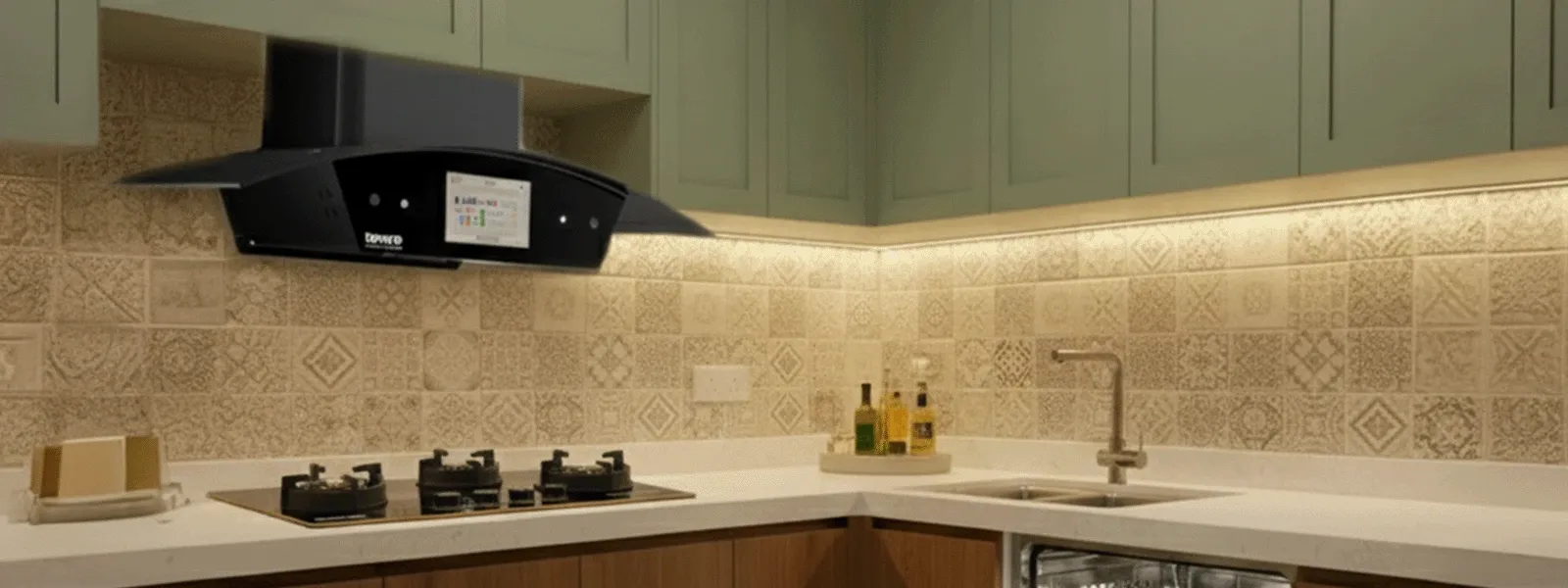
Modern kitchens demand smart solutions that maximize every inch of available space. Built-in hob space saving designs have revolutionized how we approach compact kitchen layouts, offering seamless integration without compromising cooking functionality. Whether you're renovating a small apartment kitchen or designing a new home, understanding proper installation techniques ensures you get the most from your investment. This comprehensive guide walks you through everything needed to master the installation process while creating a sleek, efficient cooking space that enhances your daily culinary experience.
The space saving hob design philosophy centers on creating maximum functionality within minimal footprint. Unlike traditional freestanding units that occupy valuable counter space, built-in models integrate flush with your countertop surface. This seamless installation approach eliminates the bulky edges and gaps that collect grease and debris, while creating an uninterrupted workspace for food preparation. Modern hob installations offer significant advantages over conventional cooking setups. The flush-mount design creates visual continuity across your kitchen surface, making even the smallest spaces appear larger and more organized. Counter space becomes more usable since there are no protruding edges or raised surfaces to work around. This streamlined approach particularly benefits compact kitchen designs where every square inch matters. The aesthetic impact extends beyond mere space savings. Built-in installations create a professional, high-end appearance that increases your home's value. The clean lines and integrated look align perfectly with contemporary design trends, making your kitchen feel more sophisticated and well-planned. Additionally, the sealed installation prevents spills from reaching underneath the unit, significantly reducing cleaning time and maintenance requirements.
Proper installation begins with careful planning and precise measurements. Start by determining the exact cutout dimensions required for your specific hob unit. Most manufacturers provide detailed templates, but always verify measurements against your actual appliance before cutting. Mark the cutout area clearly, ensuring adequate clearance from cabinet walls and other fixtures. Gather essential tools including a jigsaw with fine-tooth blade, drill with appropriate bits, measuring tape, level, and safety equipment. For gas connections, you'll need pipe wrenches, gas-rated sealant, and leak detection solution. Electrical connections require wire strippers, electrical tape, and appropriate connectors. Always shut off gas and electrical supplies before beginning work. Cut the countertop opening carefully, following marked lines precisely. Support the cutout piece to prevent damage as you complete the cut. Test-fit your integrated hob to ensure proper alignment and clearance. The unit should sit flush with the countertop surface without binding or gaps. Make minor adjustments as needed before proceeding with connections.
The choice between 3-burner and 4-burner configurations depends on your cooking habits and available space. A compact hob with three burners typically measures around 60cm in width, making it ideal for smaller kitchens or single-person households. This configuration provides adequate cooking capacity while maximizing remaining counter space for food preparation. Four-burner models usually require 75-80cm of width but offer greater cooking flexibility. These units work well for families or those who frequently prepare multiple dishes simultaneously. The additional burner proves valuable during festival cooking or when entertaining guests. Consider your typical cooking patterns when making this decision. Burner arrangement also affects functionality. Triangle configurations place the largest burner at the back center, with smaller burners forming a triangle pattern. This layout optimizes heat distribution and pan placement. Linear arrangements position burners in a straight line, which can be more intuitive for some users but may require more lateral counter space.
Proper clearance ensures safe operation and convenient cooking. Allow at least 50cm on both sides of your kitchen hob for safe pan handling and heat dissipation. This spacing prevents accidental contact with hot surfaces and provides adequate room for large cookware. Insufficient clearance can create safety hazards and make cooking more difficult. Vertical clearance above the hob requires careful consideration, especially when installing range hoods or cabinets. Maintain at least 65cm between the cooking surface and any overhead obstruction. This spacing allows proper ventilation and prevents heat damage to cabinets or other fixtures. Gas hobs may require additional clearance due to open flame considerations.
Most built-in installations require cabinet modifications to accommodate the hob body and connections. The cabinet base may need reinforcement to support the unit's weight, particularly for heavy cast iron or steel models. Install additional support brackets if the existing cabinet structure seems inadequate. Ventilation within the cabinet prevents heat buildup that could damage surrounding materials. Cut ventilation slots in the cabinet back or install small fans to promote air circulation. This step is particularly important for gas models that generate more heat than electric alternatives. Gas line routing requires careful planning to ensure safe, accessible connections. Route supply lines through cabinet backs rather than floors when possible, making future maintenance easier. Use appropriate fittings and support brackets to prevent stress on connections. Always test for leaks after completing gas connections.
Modern cooktop technology offers numerous features that enhance cooking convenience and safety. Auto-ignition systems eliminate the need for matches or lighters, providing instant flame control with simple knob operation. This feature proves particularly valuable during busy cooking sessions when convenience matters most. Flame failure safety devices automatically shut off gas flow if flames are accidentally extinguished. This critical safety feature prevents gas accumulation and potential hazards. Look for models with individual flame failure protection on each burner rather than single-point systems that may not detect localized flame loss. Brass burner construction offers superior durability and heat distribution compared to aluminum alternatives. Brass burners resist corrosion and maintain consistent performance over years of use. The material's thermal properties ensure even heat distribution, improving cooking results and fuel efficiency. Toughened glass surfaces provide easy cleaning while maintaining attractive appearance. These surfaces resist scratches and stains better than traditional materials. The smooth surface eliminates crevices where grease and food particles can accumulate, making maintenance simpler and more hygienic.
High-efficiency burners reduce fuel consumption while providing excellent cooking performance. Look for models with optimized burner designs that maximize heat transfer to cookware. Triple-ring burners offer variable heat output, allowing precise temperature control for different cooking techniques. Burner size variety accommodates different cookware and cooking methods. Large burners handle heavy-duty cooking like pressure cooking or large-batch preparation. Medium burners work well for everyday cooking tasks. Small burners provide gentle heat for delicate preparations or keeping food warm. Control knob placement affects usability and safety. Front-mounted controls are easier to reach but may be accidentally activated. Side-mounted controls offer better safety but may be less convenient. Consider your cooking style and kitchen layout when evaluating control placement options.
Built-in hobs require higher upfront investment compared to freestanding models and need professional installation for gas connections. They're also less portable if you move homes. However, their space-saving benefits and modern appearance often justify these considerations for most homeowners.
Maintain at least 50cm clearance on both sides of the hob for safe cooking and pan placement. This spacing ensures adequate room for large cookware and prevents accidental contact with hot surfaces during cooking.
Yes, built-in hobs with brass burners and high BTU output excel at Indian cooking styles. They provide precise flame control needed for techniques like tempering spices and offer the high heat required for proper chapati making and vegetable stir-frying.
While experienced DIYers can handle the physical installation, gas connections should always be completed by certified professionals. This ensures safety compliance and maintains warranty coverage. Electrical connections may also require professional installation depending on local codes.
3-burner models save more counter space and suit smaller families or limited cooking needs. 4-burner units provide greater cooking flexibility for larger families or frequent entertaining, though they require more installation space.
Mastering built-in hob space saving installation transforms compact kitchens into efficient, attractive cooking spaces. Proper planning, precise measurements, and attention to safety requirements ensure successful installation that enhances both functionality and aesthetics. Whether choosing a 3-burner or 4-burner configuration, focus on quality features like auto-ignition, flame failure protection, and durable construction materials. Professional installation for gas connections ensures safety and warranty compliance, while proper clearances and ventilation maintain optimal performance for years of reliable cooking service.
