

Master Pot Stability: A Complete Cooktop Guide
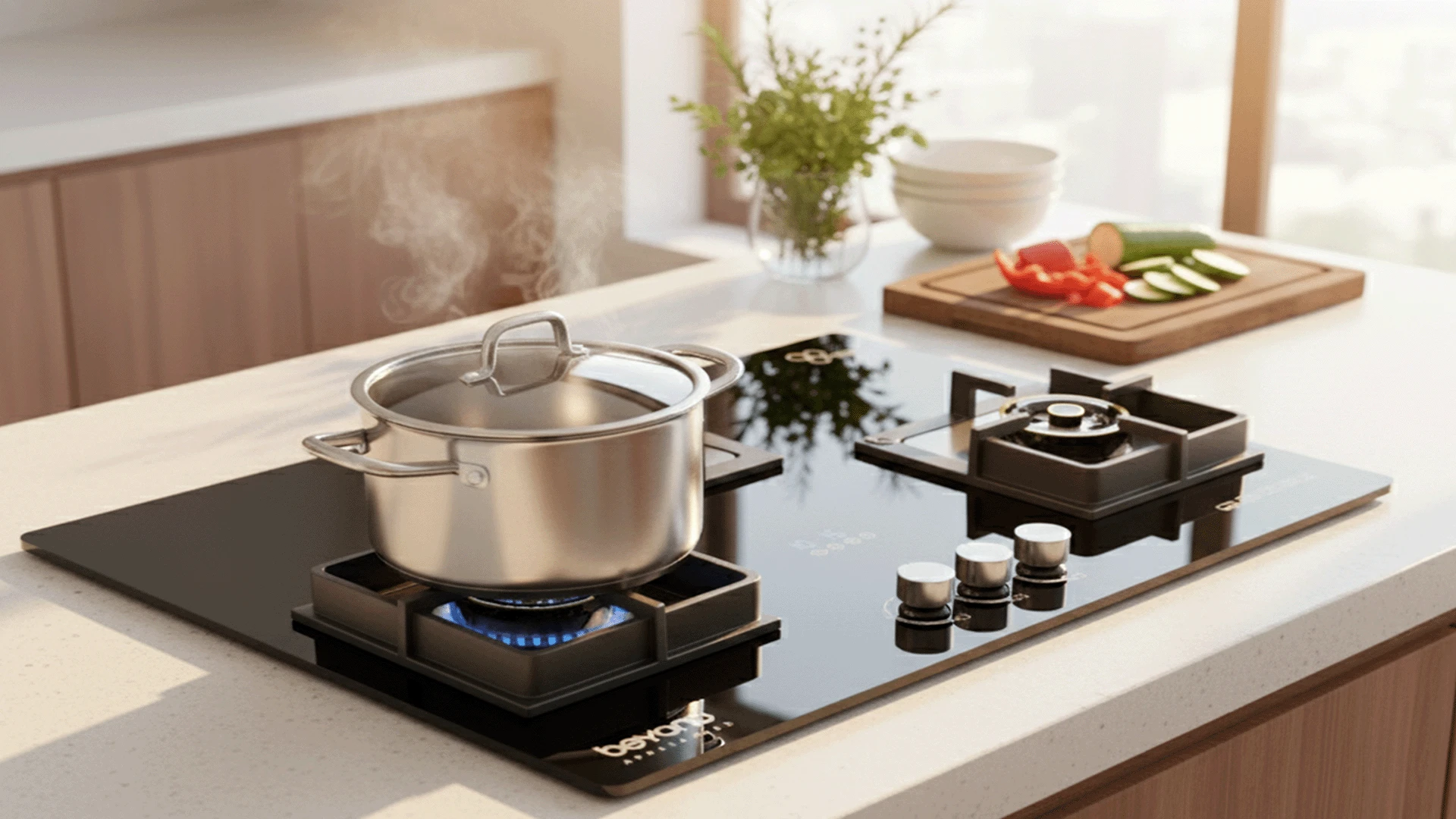
Cooking accidents happen more often than we think. Every year, thousands of kitchen injuries occur due to unstable pots and pans sliding off cooktops. The importance of pot stability on cooktops goes beyond just convenience—it's about creating a safe cooking environment for you and your family. Whether you're using a gas stove, electric cooktop, or modern induction surface, understanding how to achieve proper stability can prevent burns, spills, and costly accidents. This comprehensive guide will help you master the art of stable cooking across all cooktop types, ensuring every meal is prepared safely and efficiently.
Stable cookware placement forms the foundation of safe cooking practices. When pots and pans sit securely on your cooktop, you reduce the risk of accidents by up to 70%. Unstable cookware can tip over, causing hot liquids to spill and potentially burn anyone nearby. Beyond safety, proper pot stability ensures even heat distribution, leading to better cooking results and reduced energy consumption.
Most kitchen accidents involving cookware happen when pots shift unexpectedly during cooking. Heavy sauces can cause pans to become top-heavy, while inadequate support from worn cooktop grates increases instability. Children and pets moving around the kitchen can accidentally bump into protruding handles, causing dangerous spills.
Stable cooking relies on three key factors: proper weight distribution, adequate surface contact, and secure support structures. When these elements work together, your cookware stays firmly in place even during vigorous stirring or when handling heavy ingredients.
Each cooktop type presents unique challenges for maintaining cooktop stability. Gas, electric, and induction surfaces all require different approaches to ensure your cookware stays secure during cooking. Understanding these differences helps you choose the right equipment and cooking techniques for optimal safety.
Gas cooktops rely on grates to provide pan support. Cast iron grates offer superior stability compared to lighter materials, as they resist movement and provide solid contact points. The spacing between grate arms should accommodate your most frequently used cookware sizes. Well-designed grates feature continuous surfaces that prevent small pans from tilting between supports.
Electric cooktops require flat-bottomed cookware for maximum contact and stability. Coil elements provide natural boundaries that help contain cookware, while smooth-top surfaces rely entirely on proper cookware design. Regular cleaning maintains the flat surface needed for optimal stability.
Induction cooktop stability depends on magnetic cookware with flat, heavy bottoms. The smooth surface provides excellent stability when paired with appropriate cookware. Induction units often feature automatic pan detection, which only activates when properly sized cookware is placed correctly on the cooking zone.
Compact cooktop stability requires extra attention to weight distribution and surface preparation. Portable units need level, stable surfaces for safe operation. The smaller cooking zones on compact cooktops demand precise cookware sizing to maintain proper balance during cooking.
Modern cooktops incorporate various features designed to enhance cookware support and stability. These features work together to create a secure cooking environment that accommodates different pot and pan sizes while maintaining safety standards.
High-quality pan supports use heavy-duty materials that resist warping and movement. Continuous grate designs provide better stability than individual supports, especially for larger cookware. The height and spacing of support elements should accommodate your cooking style and preferred cookware types.
Burner stability features include flame guards, wind shields, and precision controls that maintain consistent heat output. These technologies help prevent cookware from shifting due to uneven heating or external air currents. Advanced gas cooktops feature sealed burners that provide stable platforms for cookware placement.
Proper installation ensures your cooktop surface remains level and stable over time. Even minor variations in surface level can affect cookware stability, especially with larger pots and pans. Regular maintenance checks help identify and correct any settling or movement that could compromise stability.
Selecting appropriate cookware significantly impacts pot stability on any cooktop type. The right combination of size, weight, and bottom design creates a stable cooking platform that enhances both safety and cooking performance.
Flat, heavy bottoms provide the best stability across all cooktop types. Tri-ply construction with aluminum cores offers excellent heat distribution while maintaining stability. Avoid cookware with warped or uneven bottoms, as these create unstable contact points that can lead to tipping.
Match cookware size to burner zones for optimal stability and efficiency. Oversized pans can overhang support structures, creating instability. Well-balanced handles prevent cookware from becoming top-heavy when filled with food or liquids.
Induction cooking requires magnetic materials like cast iron or magnetic stainless steel. Gas cooktops work well with various materials but benefit from heavier cookware that resists movement. Electric cooktops perform best with flat-bottomed pans that maximize surface contact.
Proper installation and regular maintenance ensure your cooktop continues to provide reliable cooking stability throughout its lifespan. Professional installation guarantees level surfaces and proper support structures that form the foundation of safe cooking.
Certified technicians ensure your cooktop sits level and secure on properly prepared surfaces. Adequate ventilation prevents heat buildup that could affect stability over time. Proper electrical or gas connections eliminate safety hazards that could compromise cooking stability.
Clean grates and support structures regularly to maintain their stability-enhancing properties. Inspect for wear, damage, or loosening that could affect cookware support. Replace worn components promptly to maintain optimal safety standards.
Wobbling cookware often indicates uneven surfaces or worn support structures. Uneven heating can cause cookware to shift during cooking. Address these issues promptly to maintain safe cooking conditions and prevent accidents.
Modern cooktops incorporate sophisticated safety features that enhance kitchen safety while maintaining cooking performance. These features work alongside proper cooking techniques to create a comprehensive safety system.
Automatic shut-off systems prevent overheating that could affect cookware stability. Child safety locks prevent accidental activation that could create hazardous conditions. Overheat protection maintains safe operating temperatures that preserve cooktop integrity.
Always use appropriate cookware sizes for each burner zone. Keep pot handles turned inward to prevent accidental contact. Maintain clear workspace around the cooktop to prevent accidents during cooking.
Organize your kitchen to support safe cooking practices. Keep frequently used items within easy reach to minimize movement around hot surfaces. Educate family members about proper cooktop safety and stability practices.
Professional chefs and kitchen designers recommend specific techniques for achieving optimal stove stability in both home and commercial environments. These expert insights help you get the most from your cooking equipment while maintaining safety standards.
Use cookware with thick, flat bottoms for maximum stability and heat distribution. When cooking with multiple burners, arrange cookware to prevent interference between pots and pans. Keep cookware sizes proportional to burner zones for optimal performance and safety.
Inspect grates and support structures weekly for signs of wear or damage. Clean burner caps and drip pans monthly to maintain proper fit and stability. Schedule professional maintenance annually to ensure all safety and stability features function correctly.
Consider upgrading to heavier, more stable grates if your current ones show excessive wear. Modern cooktops with advanced stability features may be worth the investment for busy kitchens. Evaluate your cooking needs to determine if your current setup provides adequate stability for your cooking style.
Test stability by gently pressing on the edge of an empty pot placed on each burner. The cookware should remain firmly in place without rocking or shifting. If you notice movement, check for level surfaces and proper grate alignment.
Induction cooktops feature completely flat surfaces that provide maximum contact with flat-bottomed cookware. The magnetic connection between induction elements and compatible cookware creates additional stability compared to traditional gas grates.
Yes, you can upgrade to heavier grates, ensure proper installation level, and use appropriate cookware with flat, heavy bottoms. Regular maintenance and cleaning also help maintain optimal stability performance.
Choose cookware with flat, heavy bottoms that match the size of compact burner zones. Avoid oversized pans that extend beyond support structures, and select pieces with well-balanced handles to prevent tipping.
Inspect grates and support structures weekly during regular cleaning. Perform more thorough stability checks monthly, and schedule professional maintenance annually to ensure all safety features function properly.
Watch for cookware that rocks, shifts, or tips easily when placed on burners. Uneven heating, difficulty maintaining cooking temperatures, and frequent spills may also indicate stability problems that need attention.
Mastering pot stability on cooktops requires understanding your equipment, choosing appropriate cookware, and maintaining proper safety practices. The importance of pot stability on cooktops extends far beyond convenience—it's essential for kitchen safety and cooking success. Regular maintenance, proper installation, and quality cookware create the foundation for stable, safe cooking experiences. Whether you're using a compact portable unit or a full-size kitchen cooktop, these principles will help you cook with confidence and safety.
