

Master Parallel Cooking: Hobtop Layout Guide
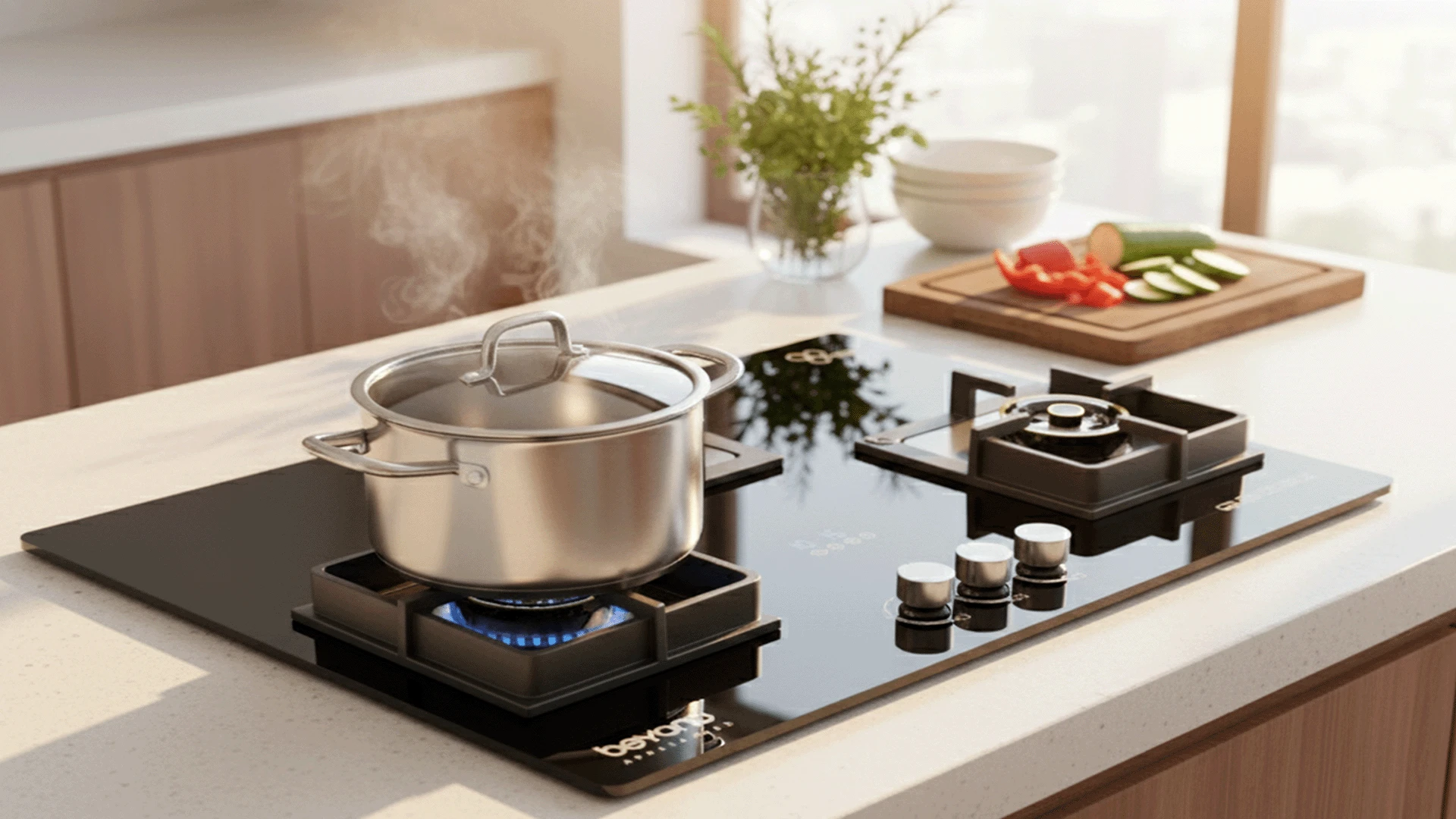
Creating an efficient cooking space requires more than just choosing the right appliances. The way you arrange your hobtop can make the difference between chaotic meal preparation and smooth, enjoyable cooking experiences. Parallel cooking – the art of preparing multiple dishes simultaneously – demands thoughtful planning and strategic layout design. Whether you're working with a spacious kitchen or a compact cooking area, understanding the principles of optimal hobtop placement will transform how you approach meal preparation. Modern homemakers are discovering that the right hobtop design not only saves time but also reduces stress during busy cooking sessions.
Parallel cooking involves preparing multiple components of a meal at the same time, maximizing efficiency and ensuring everything finishes together. This cooking method requires a well-planned parallel cooking setup that allows seamless movement between different cooking zones. Your hobtop layout serves as the foundation for this efficient workflow. The best hobtop layout for parallel cooking considers several factors: burner placement, counter space, storage accessibility, and traffic flow. When these elements work together harmoniously, you can sauté vegetables while simultaneously boiling pasta and grilling proteins. Poor layout choices, however, can create bottlenecks that slow down your cooking process and increase the risk of accidents. Efficient hobtop design also impacts energy consumption and cooking quality. Properly spaced burners prevent heat interference between pots and pans, ensuring even cooking results. Additionally, strategic placement reduces the need to constantly move heavy cookware across long distances, minimizing fatigue during extended cooking sessions.
Creating the best hobtop layout for parallel cooking starts with understanding the fundamental principles of kitchen workflow. The most effective designs incorporate specific spacing requirements, power distribution, and accessibility features that support multi-dish preparation.
The ideal cooktop configurations feature four to six burners arranged in a rectangular or linear pattern. This arrangement provides adequate space for multiple pots and pans while maintaining easy access to each cooking zone. Minimum spacing of 6 inches between burner centers prevents overcrowding and allows comfortable handling of cookware. Power distribution across burners should include at least one high-output burner for rapid boiling or searing, two medium-power burners for general cooking, and one low-power burner for simmering or keeping food warm. This variety supports different cooking techniques simultaneously.
Effective kitchen work zones position the hobtop within easy reach of the sink and primary prep areas. The classic work triangle principle suggests keeping these three zones within 4-9 feet of each other. This proximity reduces unnecessary movement during cooking and food preparation. Counter space allocation around the hobtop should include at least 18 inches on one side for staging ingredients and 12 inches on the other side for placing hot cookware. These landing zones are crucial for safe and efficient parallel cooking operations.
Small kitchens present unique challenges for parallel cooking, but thoughtful design can maximize functionality even in tight quarters. Small space cooking requires creative solutions that optimize every square inch while maintaining safety and efficiency.
Linear hobtop arrangements work exceptionally well in galley kitchens, positioning all burners along a single wall with prep space on either side. This compact kitchen layout keeps everything within arm's reach while maintaining clear traffic flow through the kitchen. L-shaped configurations utilize corner spaces effectively, creating distinct cooking and prep zones. Corner hobtop installations can be particularly effective when paired with angled counter extensions that provide additional workspace without blocking pathways.
Maximizing efficiency in limited square footage requires thinking beyond horizontal space. Wall-mounted storage systems keep frequently used utensils and spices within easy reach of the cooking area. Pull-out drawers beneath the hobtop provide convenient storage for pots, pans, and cooking tools. Fold-away prep surfaces can extend workspace when needed and tuck away when not in use. These solutions are particularly valuable in efficient kitchen design where flexibility is essential.
An ergonomic hob layout reduces physical strain and promotes comfortable cooking experiences. Proper height, reach, and positioning considerations ensure that parallel cooking remains enjoyable rather than exhausting.
Standard counter height of 36 inches works well for most users, but custom heights between 34-38 inches can accommodate different user preferences and physical needs. The hobtop surface should align with counter height to create a seamless workspace that supports easy movement of cookware. Reach zones should keep frequently used controls and burners within comfortable arm's reach. Avoid placing essential cooking zones too far from the primary standing position, as this creates unnecessary stretching and movement during cooking.
Clear pathways around the cooking area design prevent accidents and allow multiple people to work in the kitchen simultaneously. Maintain at least 42 inches of clearance behind the cook for safe movement and emergency access. Hot surface protection includes adequate spacing between the hobtop and high-traffic areas. Position the cooking zone away from main walkways to prevent accidental contact with hot cookware or burners.
Successful hobtop layout implementation requires attention to technical details that support both functionality and safety. Modern cooktop arrangement must account for ventilation, electrical, and gas requirements that vary based on your chosen appliances.
Proper ventilation is crucial for parallel cooking, as multiple burners operating simultaneously generate significant heat and cooking vapors. Range hood placement should provide coverage for the entire cooking surface, with minimum clearance heights of 24-30 inches above the hobtop. Electrical capacity must support the total power requirements of your chosen hobtop configuration. Gas installations require proper line sizing and ventilation to ensure safe operation during extended cooking sessions.
Heat-resistant countertop materials around the hobtop prevent damage from hot cookware and spills. Quartz, granite, and stainless steel surfaces offer excellent durability and easy maintenance for busy cooking areas. Easy-clean surface materials reduce maintenance time and keep your cooking area looking professional. Non-porous surfaces resist staining and bacterial growth, important considerations for food safety.
Maintain at least 6 inches between burner centers to prevent heat interference and allow comfortable cookware handling. This spacing also reduces the risk of accidentally touching hot surfaces when adjusting controls or moving pots and pans.
Yes, compact kitchens can support excellent parallel cooking with careful planning. Linear hobtop arrangements, wall-mounted storage, and fold-away prep surfaces maximize functionality in limited space. Focus on vertical storage and multi-purpose surfaces to create adequate workspace.
Island hobtop installations work well when positioned to maintain the work triangle with sink and refrigerator zones. Ensure adequate clearance on all sides – minimum 36 inches for walkways and 42 inches behind the cook. Include overhead ventilation and consider electrical or gas line requirements during planning.
Single cooks can work efficiently with 3-4 burner configurations, while families benefit from 5-6 burner layouts that support multiple cooking tasks. Consider your typical cooking patterns – frequent entertaining requires more burner capacity than everyday meal preparation.
Gas hobtops require ventilation considerations and gas line access, while electric and induction models need adequate electrical capacity. Induction cooktops generate less ambient heat, allowing for closer spacing to heat-sensitive materials. Gas burners may require additional clearance from combustible surfaces.
Mastering parallel cooking through optimal hobtop layout design transforms your kitchen into an efficient, enjoyable workspace. The best hobtop layout for parallel cooking balances functionality, safety, and ergonomics while accommodating your specific cooking style and space constraints. Whether working with a compact galley kitchen or a spacious cooking area, applying these design principles will enhance your culinary experiences and streamline meal preparation. Remember that successful kitchen design considers both current needs and future cooking aspirations, creating a space that grows with your culinary skills and family requirements.
