

Master Hobtop Leveling: A Complete Step-by-Step Guide
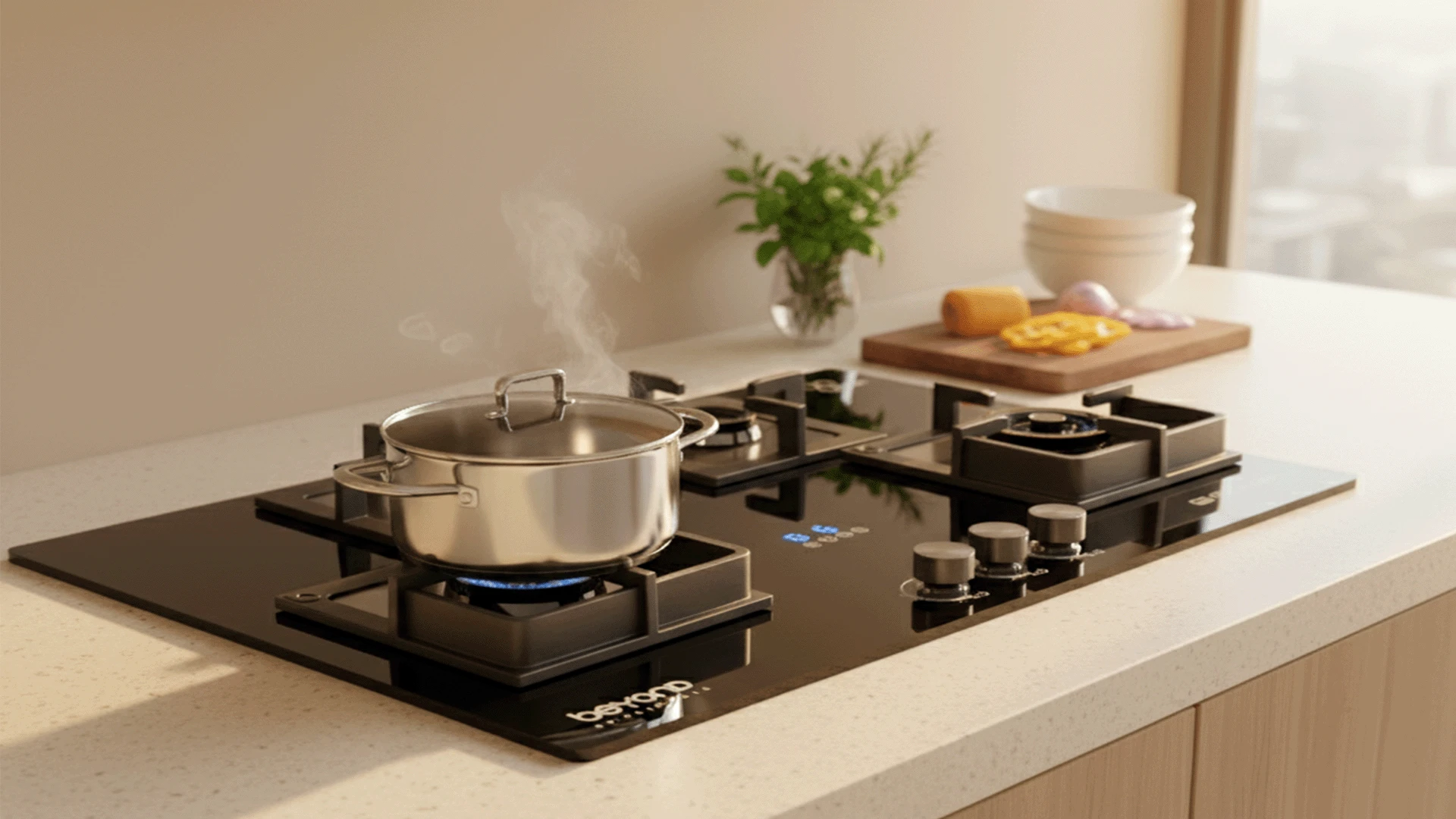
A properly leveled hobtop is the foundation of safe and efficient cooking in any modern kitchen. Whether you're installing a new compact kitchen hobtop or maintaining an existing one, understanding the importance of leveling a hobtop can save you from costly repairs and dangerous situations. An uneven surface doesn't just affect your cooking performance—it creates safety hazards that can lead to serious accidents. This comprehensive guide will walk you through everything you need to know about hobtop leveling, from recognizing the signs to mastering the techniques that ensure perfect results every time.
The importance of leveling a hobtop extends far beyond aesthetics. A level surface is essential for safe cooking operations and optimal appliance performance. When your hobtop sits evenly, it distributes weight properly and ensures that all safety mechanisms function as designed. The leveling hobtop benefits include improved cooking efficiency, enhanced safety, and extended appliance lifespan.
Uneven hobtop dangers pose serious risks to your family's safety. Hot liquids can spill unexpectedly when pots and pans slide on tilted surfaces. Oil splattering becomes unpredictable, increasing burn risks. Cookware instability can cause accidents, especially when handling heavy pots filled with boiling water or hot oil.
Hobtop cooking evenness suffers dramatically when the surface isn't level. Heat distribution becomes uneven, causing food to cook inconsistently. One side of your pan might burn while the other remains undercooked. Energy efficiency drops as the appliance works harder to maintain proper temperatures across an uneven surface.
Structural stress from improper leveling can damage internal components over time. Vibrations increase, wearing down mechanical parts faster than normal. Warranty coverage might be voided if damage results from improper installation or maintenance.
Recognizing when your level hobtop surface has shifted is crucial for maintaining safety and performance. Regular inspection helps catch problems before they become serious issues. Understanding these warning signs allows you to address leveling problems promptly.
Look for visible gaps between the hobtop and surrounding countertops. Use the water test method—place a small amount of water on different areas of the surface to see if it pools in specific spots. A precision spirit level reveals even minor deviations that might not be visible to the naked eye.
Hobtop stability issues manifest through cooking inconsistencies and equipment behavior. Pots and pans that slide without being pushed indicate surface problems. Unusual vibrations during operation or strange noises can signal leveling issues affecting internal components.
Proper hobtop leveling guide preparation starts with gathering the right equipment. Professional-grade tools ensure accurate measurements and lasting results. Having everything ready before starting prevents delays and ensures safety throughout the process.
A high-quality spirit level is essential for accurate measurements. Adjustable feet or shims allow precise height adjustments. Measuring tools including rulers and calipers help achieve exact positioning. Socket wrenches and screwdrivers enable secure fastening of adjustment mechanisms.
Protective gear includes safety glasses and work gloves. Electrical safety requires turning off power at the circuit breaker before beginning work. Clear workspace preparation prevents accidents and allows easy access to all adjustment points.
Mastering hobtop installation tips requires following a systematic approach. Each step builds on the previous one, ensuring comprehensive leveling that addresses all potential issues. Patience and precision during this process prevent future problems and ensure optimal performance.
Surface preparation involves cleaning and inspecting the installation area thoroughly. Measure the space carefully and mark reference points for consistent positioning. Check all utility connections including gas lines and electrical connections before proceeding with adjustments.
Leg adjustment methods vary depending on your hobtop model. Turn adjustable feet clockwise to raise and counterclockwise to lower each corner. Shimming procedures involve placing thin materials under specific points to achieve perfect level. Fine-tuning requires small incremental adjustments and frequent checking.
Multi-point level checking ensures accuracy across the entire surface. Test stability by gently pressing different areas and checking for movement. Performance validation includes testing all burners and ensuring even flame distribution or heating element operation.
Compact kitchen hobtop installations present unique challenges that require specialized approaches. Limited space affects tool access and adjustment techniques. Modern hobtop design often incorporates sleek profiles that demand precise leveling for proper integration with contemporary kitchen layouts.
Limited access workarounds include using compact tools and working from multiple angles. Compact tool alternatives like mini levels and flexible measuring devices help navigate tight spaces. Efficiency optimization involves planning the sequence of adjustments to minimize repositioning.
Aesthetic considerations require maintaining clean lines and seamless integration. Contemporary kitchen layouts often feature flush-mounted installations that demand exceptional precision. Proper leveling ensures that modern hobtop design elements align perfectly with surrounding surfaces.
Ongoing hobtop maintenance includes regular leveling checks and adjustments. Environmental factors like settling and temperature changes can affect level over time. Establishing a maintenance routine prevents small issues from becoming major problems.
Monthly check procedures involve quick visual inspections and basic level testing. Seasonal adjustments account for building settlement and temperature-related expansion. Performance monitoring helps identify gradual changes that might indicate leveling issues.
Settlement problems often develop gradually as buildings age. Thermal expansion effects can cause temporary leveling changes during extreme weather. Wear-related adjustments become necessary as adjustment mechanisms age and components settle.
Check your hobtop level monthly during routine cleaning. Perform more thorough inspections seasonally or after any kitchen renovations that might affect the surrounding structure.
Building settlement, temperature changes, and normal wear on adjustment mechanisms can cause leveling issues. Heavy use and vibrations may also contribute to gradual shifting.
Basic leveling adjustments are manageable for most homeowners with proper tools and patience. Complex installations or gas line work should always involve qualified professionals.
Sliding cookware, uneven cooking, visible gaps, and unusual vibrations indicate leveling problems. Water pooling in specific areas during cleaning also suggests surface irregularities.
Proper leveling ensures even heat distribution, prevents cookware sliding, and maintains consistent cooking results. It also improves energy efficiency and extends appliance lifespan.
Mastering hobtop leveling protects your investment and ensures safe cooking operations. Regular maintenance and proper installation techniques prevent costly repairs and dangerous situations. Whether working with compact kitchen hobtop installations or full-size units, the principles remain consistent. Take time to level properly during installation, maintain regular inspection schedules, and address issues promptly. Your kitchen's safety and cooking performance depend on this fundamental but often overlooked aspect of appliance installation.
