

Master Chimney Air Recirculation: Complete Guide
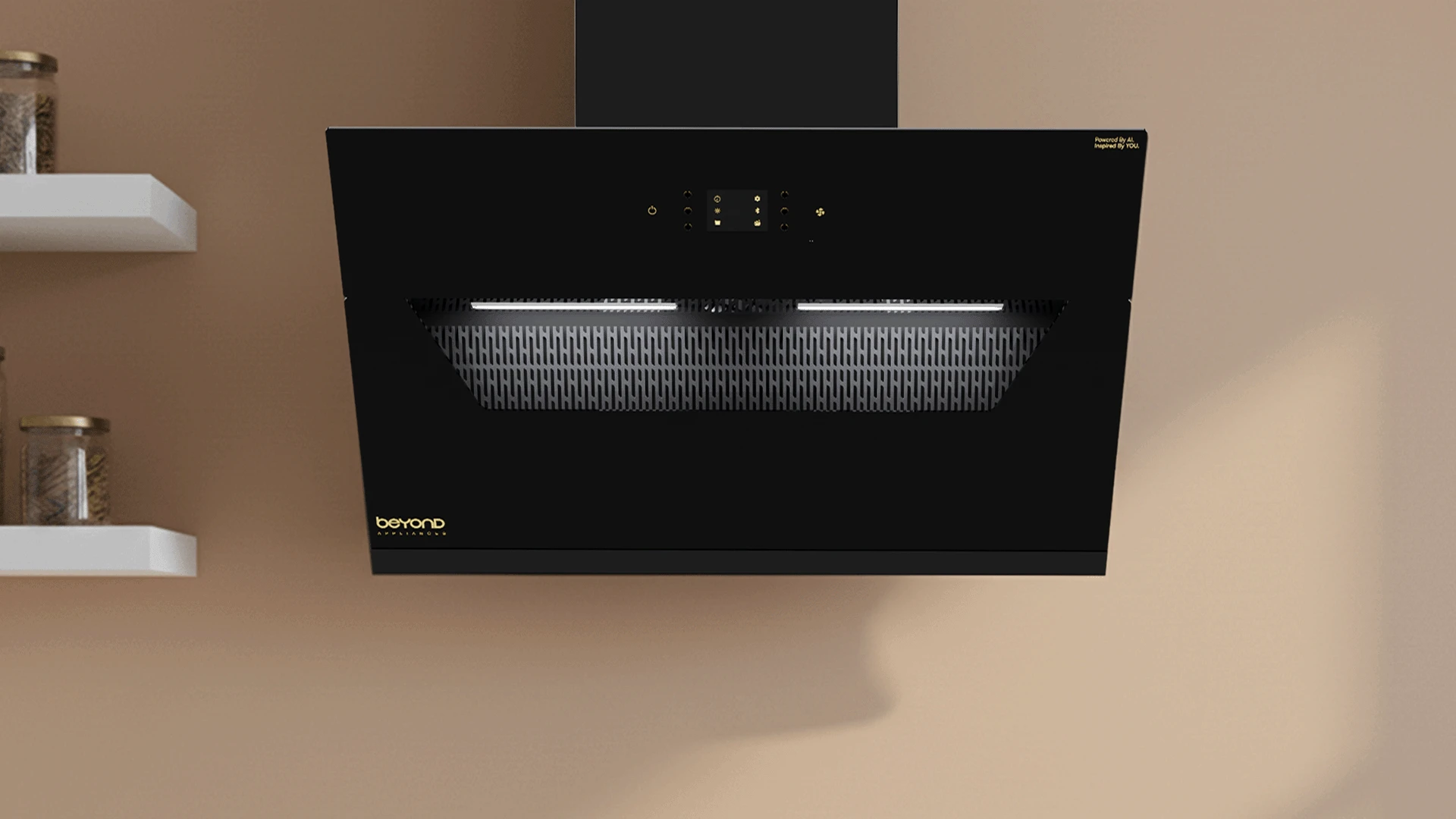
Modern kitchens demand smart ventilation solutions that work efficiently without compromising on design or space. The chimney air recirculation process has revolutionized how we think about kitchen ventilation, offering homeowners powerful alternatives to traditional ducted systems. Unlike conventional chimneys that expel air outside, recirculating systems clean and return air back into your kitchen, making them perfect for apartments, compact spaces, or homes where external ducting isn't feasible. This comprehensive guide explores everything you need to know about air recirculation technology, from basic principles to advanced installation techniques.
The chimney air recirculation process works by drawing cooking fumes, smoke, and odors through a series of filters before returning clean air back into your kitchen. This closed-loop system eliminates the need for external ducting while maintaining excellent air quality.
Chimney recirculation operates on a simple yet effective principle. When you cook, the system's powerful fan draws contaminated air through multiple filtration stages. First, grease filters capture oil particles and larger debris. Then, activated carbon filters neutralize odors and remove smaller contaminants. Finally, the cleaned air circulates back into your kitchen space. This process happens continuously while the chimney operates, ensuring consistent air quality without losing heated or cooled indoor air.
Traditional recirculation systems relied on basic grease filters and simple carbon elements. Modern chimney technology incorporates advanced multi-stage filtration, variable speed controls, and smart sensors. Today's systems can automatically adjust fan speeds based on cooking intensity, feature washable filters for easy maintenance, and include LED indicators for filter replacement reminders. The efficiency gap between old and new systems is substantial, with modern units capturing up to 95% of cooking contaminants.
Every effective air recirculation system contains several critical components working together. The motor and fan assembly provides the suction power, while the filter housing contains multiple filtration stages. Control panels allow users to adjust settings, and internal ducting guides airflow through the system.
Advanced systems include heat exchangers that recover thermal energy from expelled air, improving overall energy efficiency. Multi-layer filtration typically includes aluminum mesh filters for grease, activated carbon for odors, and sometimes HEPA filters for fine particles.
Variable speed fans adapt to different cooking scenarios. Low speeds handle light cooking, while maximum speeds tackle heavy frying or grilling. Smart controls can automatically adjust based on temperature and humidity sensors.
Today's market offers diverse recirculation solutions designed for different kitchen layouts and cooking needs. Understanding these options helps you choose the right system for your specific requirements.
Flueless chimney systems excel in apartments and homes where external venting isn't possible. These units mount directly above cooking surfaces and process all air internally. They're particularly effective for gas cooking, where proper ventilation is crucial for safety. Modern flueless designs incorporate powerful motors and advanced filtration to match the performance of traditional ducted systems.
Ventless chimney technology has advanced significantly, offering installation flexibility without sacrificing performance. These systems work exceptionally well in open-plan kitchens where maintaining consistent airflow throughout the space is important. They eliminate the need for roof penetrations or external wall modifications, making them ideal for rental properties or historic buildings with installation restrictions.
Compact chimney designs maximize functionality while minimizing space requirements. These systems often feature telescopic or foldable elements that extend during use and retract when not needed.
Wall-mounted units save valuable overhead space while providing excellent ventilation coverage. They're perfect for galley kitchens or spaces with low ceilings where traditional overhead installation isn't practical.
Island installations require specialized recirculation technology due to their exposed position. These systems often feature 360-degree air capture and powerful motors to handle the increased air volume around island cooktops.
Air flow chimney efficiency depends on proper design, installation, and maintenance. Understanding these factors helps you get the best performance from your recirculation system.
Effective air flow requires strategic placement and proper sizing. The chimney should extend slightly beyond the cooking surface on all sides to capture rising vapors effectively. Internal baffles and air guides direct contaminated air through filtration stages while preventing clean air from mixing with dirty air. Proper air flow patterns can improve capture efficiency by up to 30% compared to poorly designed systems.
Chimney efficiency extends beyond just air cleaning. Recirculation systems preserve conditioned indoor air, reducing heating and cooling costs. Unlike ducted systems that expel heated or cooled air, recirculating units maintain your home's thermal envelope. This can result in energy savings of 15-25% compared to traditional external venting systems, especially in extreme weather conditions.
Advanced recirculation systems incorporate heat recovery technology that captures thermal energy from cooking processes. This recovered heat can supplement your home's heating system during colder months.
Professional-grade filtration includes grease separation, odor neutralization, and fine particle removal. Each stage targets specific contaminants, ensuring comprehensive air cleaning before recirculation.
Modern systems feature sensors that detect cooking activity and automatically adjust fan speeds. Some models include smartphone connectivity for remote monitoring and control, making operation more convenient and efficient.
Modern chimney design balances performance with aesthetics, creating systems that enhance rather than detract from kitchen design. Contemporary recirculation units integrate seamlessly with various architectural styles.
Compact installations require careful planning to maximize performance in limited space. Slimline designs and integrated mounting systems help maintain clean lines while providing powerful ventilation. Many compact units feature modular designs that allow customization based on specific space constraints.
Today's recirculation systems complement modern kitchen aesthetics with sleek profiles and premium materials. Stainless steel, tempered glass, and brushed metal finishes coordinate with contemporary appliances. Hidden installation options maintain minimalist design principles while providing excellent functionality.
Advanced motor technology and sound dampening materials significantly reduce operational noise. Quality recirculation systems operate at whisper-quiet levels, even at maximum speeds.
Premium materials like stainless steel resist corrosion and maintain appearance over time. High-grade plastics and composites provide durability while reducing weight and cost.
Well-designed systems provide easy access to filters and internal components. Tool-free filter removal and dishwasher-safe components simplify regular maintenance tasks.
Chimney ventilation performance depends on proper operation and regular maintenance. Understanding common issues helps maintain optimal system function.
Reduced suction power often indicates clogged filters or motor problems. Unusual noises may signal worn bearings or loose components. Persistent odors suggest filter saturation or inadequate filtration capacity. Regular inspection helps identify these issues before they affect performance significantly.
Regular filter cleaning and replacement maintains peak performance. Grease filters typically require monthly washing, while carbon filters need replacement every 3-6 months depending on usage. Motor maintenance and internal cleaning should be performed annually by qualified technicians.
Monitoring air quality and system performance helps optimize operation. Many modern systems include diagnostic features that alert users to maintenance needs or performance issues.
Establishing regular replacement schedules based on cooking frequency ensures consistent performance. Heavy cooking requires more frequent filter changes, while light use extends replacement intervals.
Periodic testing verifies proper air flow rates and filtration efficiency. Professional calibration ensures optimal performance and identifies potential issues early.
Proper installation ensures safe operation and optimal performance of recirculation systems. Following manufacturer guidelines and local codes protects your investment and family safety.
While some compact units allow DIY installation, complex systems require professional expertise. Electrical connections, mounting requirements, and safety considerations often exceed typical homeowner capabilities. Professional installation ensures warranty compliance and optimal performance.
Electrical safety requires proper grounding and circuit protection. Adequate clearances prevent fire hazards and ensure proper operation. Regular safety inspections identify potential issues before they become dangerous.
Local building codes may specify ventilation requirements for different cooking applications. Understanding these requirements ensures compliant installation and avoids future complications.
Dedicated electrical circuits prevent overloading and ensure reliable operation. Proper ventilation clearances maintain safety margins and optimize performance.
Regular cleaning prevents grease accumulation that could pose fire risks. Understanding emergency procedures and having appropriate fire suppression equipment provides additional safety.
Modern recirculating chimneys achieve 90-95% efficiency in removing cooking contaminants, nearly matching ducted systems. The key difference is that recirculation preserves conditioned indoor air, making them more energy-efficient overall.
Regular maintenance includes monthly grease filter cleaning, quarterly carbon filter replacement, and annual professional servicing. Most filters are dishwasher-safe, making maintenance simple and convenient.
Yes, modern flueless systems feature powerful motors and advanced filtration capable of handling intensive cooking. Variable speed controls automatically adjust to cooking intensity, ensuring adequate ventilation for any cooking style.
Recirculation systems typically consume 100-300 watts during operation, costing approximately INR 2-6 per hour. Energy savings from preserving conditioned air often offset operational costs, especially in extreme weather.
Choose ventless systems when external ducting isn't feasible, for rental properties, or when preserving indoor air conditioning is important. Traditional ducted systems work best for heavy cooking or when unlimited external venting is available.
The chimney air recirculation process offers an excellent solution for modern kitchen ventilation needs. These systems provide effective air cleaning without requiring external ducting, making them perfect for apartments, compact spaces, and energy-conscious homeowners. With proper selection, installation, and maintenance, recirculating chimneys deliver performance that rivals traditional systems while offering greater installation flexibility and energy efficiency. Whether you choose a flueless, ventless, or compact design, understanding the technology helps you make informed decisions that enhance your cooking experience and home comfort.
