

Making Small Hob Efficient: Your Complete Guide
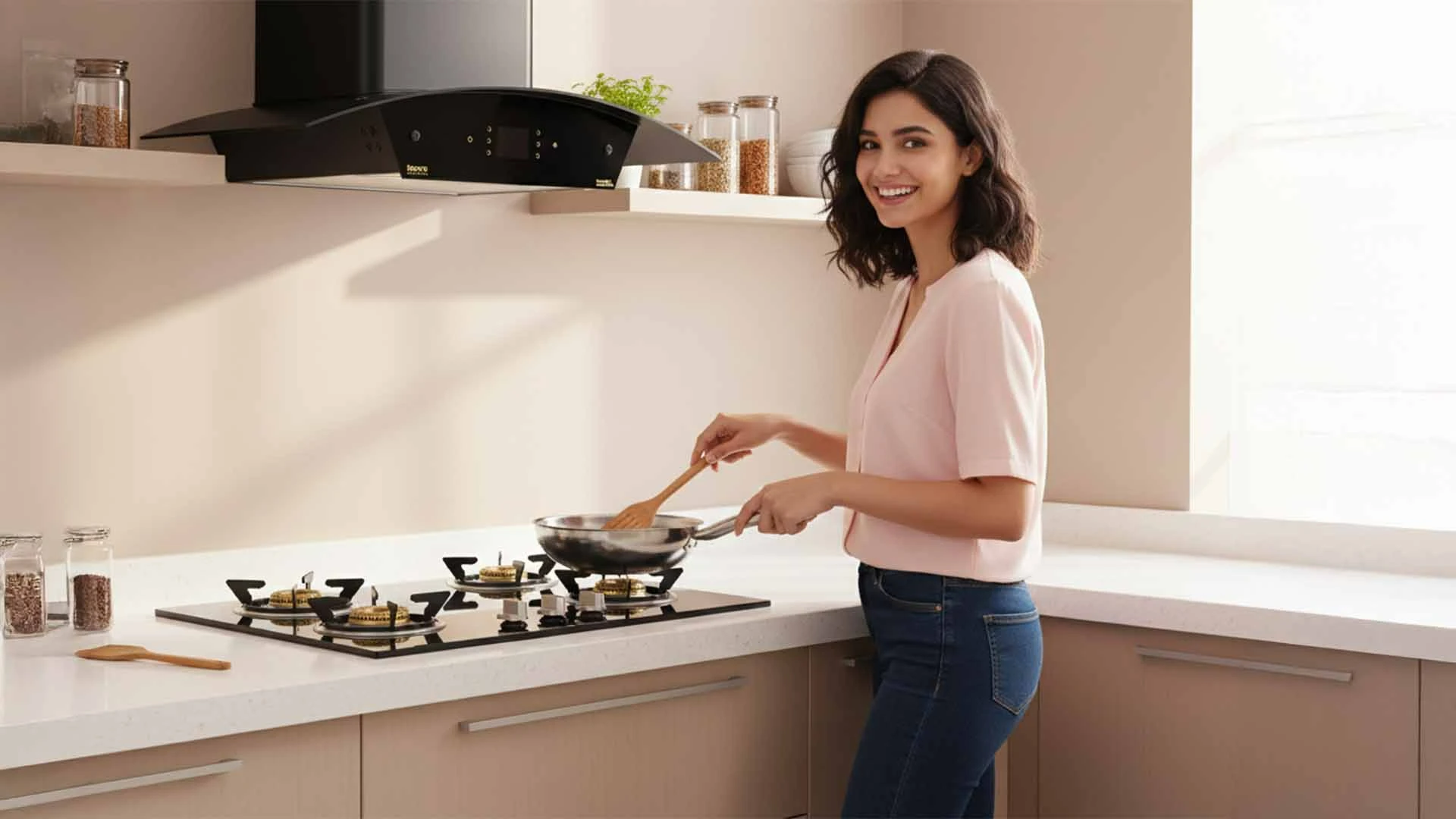
Small kitchens are becoming the norm in modern homes, especially in urban areas where space is at a premium. Making your small hob efficient isn't just about saving space—it's about creating a cooking environment that works harder and smarter. Whether you're dealing with a compact apartment kitchen or optimizing a cozy cooking nook, the right approach to hob efficiency can transform your culinary experience. Smart design choices, proper equipment selection, and strategic cooking techniques can help you achieve restaurant-quality results in minimal space. The key lies in understanding how different hob types perform and implementing proven strategies that maximize both energy efficiency and cooking performance.
Choosing the right type of small hob forms the foundation of an efficient compact kitchen setup. Different hob technologies offer varying levels of energy efficiency, cooking speed, and space optimization benefits.
Induction technology stands out as the most efficient option for small kitchens. These hobs convert approximately 90% of electrical energy directly into heat, compared to just 55% for gas hobs and 65% for traditional electric models. This superior efficiency translates to faster cooking times and lower energy bills. Induction hobs also provide precise temperature control, allowing you to adjust heat levels instantly—a crucial advantage when working with limited cooking space.
Compact gas hobs with 2-3 burners remain popular for small kitchen design applications. While less energy-efficient than induction, they provide immediate visual feedback and work with all cookware types. Modern compact gas models feature improved burner designs that distribute heat more evenly across smaller cooking surfaces.
Electric and ceramic hobs typically consume around 0.75kWh per cooking session. While slower to heat and cool than induction, they offer consistent performance at lower upfront costs. For maximum efficiency with these hob types, proper cookware sizing and preheating techniques become essential.
Efficient kitchen layout design around your small hob creates a workspace that feels larger and functions better. Smart positioning and workflow optimization can dramatically improve your cooking experience.
Position your hob to create an efficient work triangle between cooking, preparation, and storage areas. In compact spaces, this triangle should be condensed but still functional. Ensure adequate counter space on at least one side of the hob for food preparation and plating. This space saving kitchen approach prevents overcrowding and maintains safety during cooking.
Proper ventilation becomes critical in compact modern kitchen setups. Install an appropriately sized chimney or exhaust system that matches your hob's output. Good ventilation prevents heat buildup, reduces cooking odors, and maintains air quality in small spaces. Consider ductless chimney options for apartments where external venting isn't possible.
Maximizing small kitchen space requires strategic storage placement. Install pull-out drawers beneath the hob for cookware storage. Use wall-mounted magnetic strips for knives and metal utensils. Overhead cabinets should house frequently used spices and cooking oils within easy reach of the cooking surface.
The right cookware and accessories can significantly improve your small hob's efficiency and expand its capabilities. Smart equipment choices help you cook more effectively while using less energy.
Match your cookware to your hob's burner sizes for optimal heat transfer. Pans that are too large waste energy, while undersized cookware leads to uneven cooking. For small hobs, invest in a set of 16cm, 20cm, and 24cm pans that cover most cooking needs. Multi-functional pieces like woks or deep skillets maximize versatility in compact spaces.
If using an induction hob, ensure all cookware has magnetic bases. Induction-compatible pots and pans heat more evenly and respond faster to temperature changes. This improved heat distribution allows for more precise cooking control, essential in small kitchen environments where timing matters.
Stackable cookware sets save valuable storage space while providing cooking flexibility. Nesting bowls, collapsible colanders, and magnetic measuring spoons help maintain organization. Consider multi-level cooking accessories that allow you to prepare multiple dishes simultaneously on a single burner.
Implementing efficient cooking methods can reduce energy consumption while improving food quality. These kitchen efficiency tips work regardless of your hob type.
Use an electric kettle to boil water before transferring to pots—this method uses 50% less energy than boiling water directly on the hob. Preheat pans only when necessary, and use lids to retain heat and reduce cooking times. Steam cooking and one-pot meals maximize efficiency while minimizing cleanup.
Learn to use lower heat settings effectively. Most cooking tasks require medium or low heat, and using excessive temperatures wastes energy while potentially burning food. Residual heat cooking—turning off the hob before food is completely done—utilizes retained heat to finish the cooking process.
Regular cleaning maintains hob efficiency. For gas hobs, keep burner ports clear of debris. Clean induction surfaces after each use to ensure proper heat transfer. Replace worn cookware that no longer sits flat on the cooking surface, as warped pans reduce heating efficiency.
Avoiding these frequent errors can significantly improve your small hob's performance and energy efficiency. Understanding what not to do is often as important as implementing best practices. Using oversized cookware on small burners forces heat to escape around the pan edges, wasting energy and creating hot spots. Conversely, tiny pans on large burners heat unevenly and inefficiently. Always match cookware size to burner dimensions for optimal heat transfer. Incorrect temperature settings represent another common mistake. Many home cooks use maximum heat settings unnecessarily, leading to energy waste and poor cooking results. Most cooking tasks perform better at medium heat levels with proper timing. Poor maintenance practices gradually reduce hob efficiency. Allowing grease buildup on gas burners or scratches on induction surfaces impairs heat transfer. Ignoring manufacturer cleaning recommendations can void warranties and reduce appliance lifespan. Inadequate ventilation planning creates heat buildup and cooking inefficiencies. Without proper exhaust systems, small kitchens become uncomfortable and cooking performance suffers. Invest in appropriate chimney systems designed for compact spaces.
Induction hobs offer the highest energy efficiency at approximately 90% energy conversion rate. They heat faster, provide precise temperature control, and work well in compact spaces due to their safety features and minimal heat waste.
Small electric hobs typically consume 0.75-1.5kWh per cooking session, depending on cooking duration and heat settings. Induction models use about 30% less energy than traditional electric hobs for equivalent cooking tasks.
Use magnetic-base cookware that matches burner sizes. Start with medium heat settings and adjust as needed. Clean the surface after each use and ensure proper ventilation. Induction hobs respond instantly to temperature changes, so avoid overheating.
Induction hobs typically offer the lowest operating costs due to superior energy efficiency, despite higher initial purchase prices. Gas hobs can be economical where natural gas prices are low, but induction usually wins in urban areas with higher gas costs.
Choose cookware that matches your burner diameters exactly. For most small hobs, a set including 16cm, 20cm, and 24cm pans covers essential cooking needs while maintaining optimal heat transfer efficiency.
Plan meals that use multiple cooking methods on one burner, invest in stackable cookware, use lids to retain heat, and implement proper workflow organization. Consider one-pot meals and steam cooking to maximize space and energy efficiency.
Making small hob efficient requires a combination of smart equipment choices, strategic layout planning, and proper cooking techniques. Induction technology offers the best energy efficiency for most compact kitchen applications, while proper cookware sizing and maintenance ensure optimal performance regardless of hob type. Focus on ergonomic kitchen design principles that create efficient workflows within limited space. Remember that energy-saving cooking techniques and avoiding common mistakes can significantly improve both efficiency and cooking results. With the right approach, even the smallest kitchen can deliver exceptional cooking performance while minimizing energy consumption and maximizing space utilization.
