

Kitchen Chimney Styles: Wall vs Island Hoods
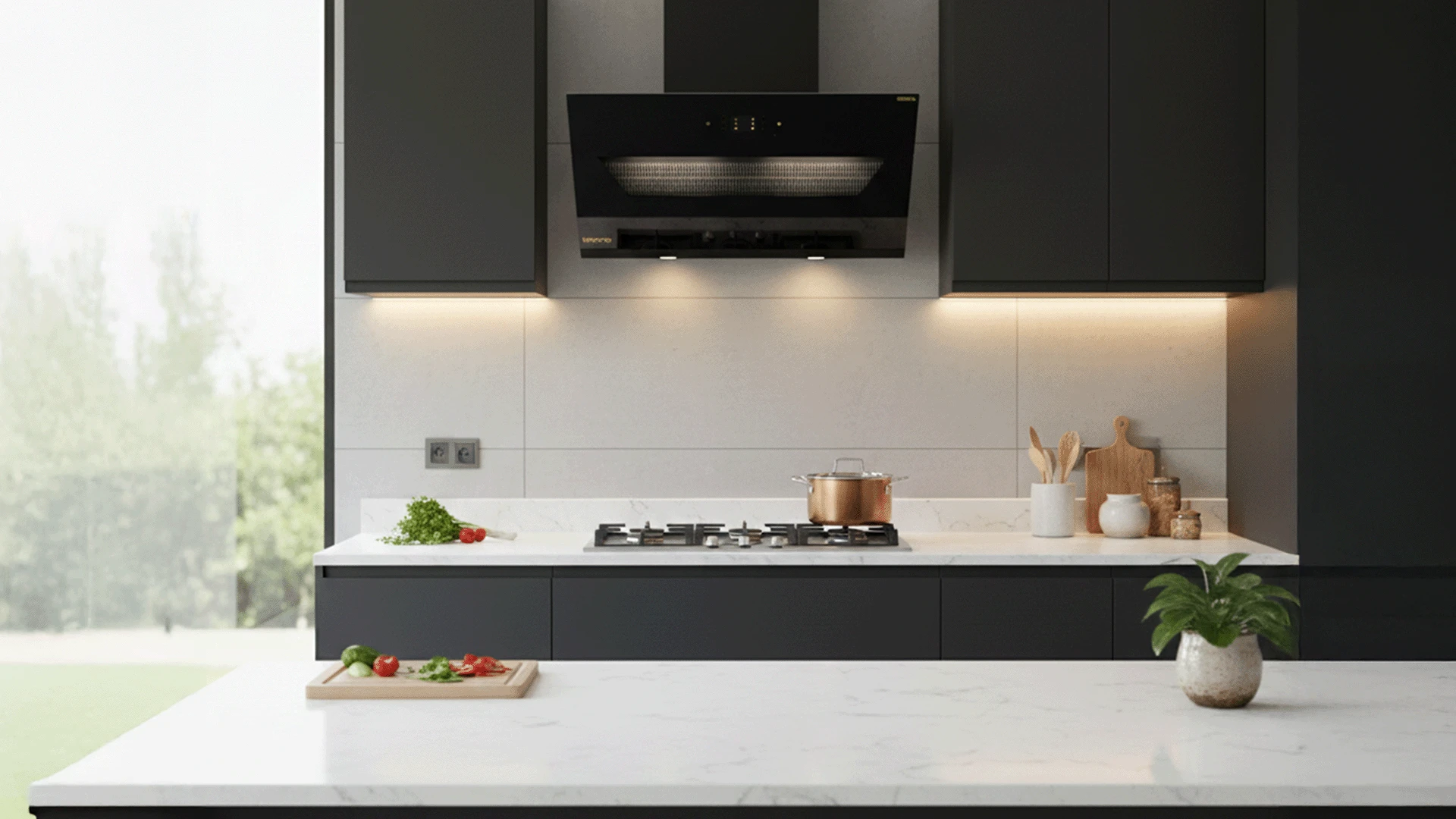
Selecting the right kitchen chimney for your home involves understanding different styles and how they fit your cooking space. Modern homeowners face a key decision between wall mounted and island chimney configurations, each offering distinct advantages for kitchen ventilation. The choice impacts everything from cooking efficiency to kitchen aesthetics, making it essential to understand the differences before investing in a range hood system.
When choosing kitchen chimney styles, homeowners encounter various configurations designed for different kitchen layouts and cooking needs. Each style serves specific purposes and offers unique benefits for modern cooking environments.
Wall mounted chimneys attach directly to the kitchen wall above your cooktop. These traditional range hood systems come in several configurations including under-cabinet models, slant designs, and curved styles. Compact chimney design options work well in smaller kitchens where space optimization matters most. Slant chimneys capture cooking fumes at an inclined angle, making them ideal for kitchens with lower ceiling heights. Curved wall chimneys offer better aesthetic appeal and work efficiently in kitchens with standard ceiling heights above 9 feet.
Island chimney systems mount from the ceiling and hang over cooking islands in open kitchen layouts. These ceiling-mounted units require adequate structural support and proper electrical connections. Modern kitchen chimney designs for islands often feature sleek profiles that complement contemporary kitchen aesthetics. Ducted island chimneys connect to external ventilation systems, while ductless chimney options use recirculation technology with charcoal filters. Island installations work best in kitchens with ceiling heights of at least 9 feet to ensure proper clearance and functionality.
Corner chimney installations suit L-shaped kitchen layouts where cooking areas meet at angles. Downdraft ventilation systems pull cooking fumes downward through the cooktop surface, offering an alternative for kitchens where traditional overhead installation proves challenging.
Performance differences between wall and island chimney styles affect cooking efficiency and air quality in your kitchen. Understanding these variations helps in making informed decisions based on your specific cooking habits and kitchen layout.
Wall mounted chimneys typically require 400-800 CFM (Cubic Feet per Minute) for effective ventilation in standard Indian kitchens. Island chimney systems need higher CFM ratings, usually 600-1200 CFM, due to cross-drafts and the absence of wall support for containing cooking fumes. The positioning advantage of wall chimneys allows them to capture cooking vapors more efficiently since walls help contain and direct airflow. Island chimneys must work harder to overcome air currents from multiple directions in open kitchen spaces.
Wall mounted installations require sturdy wall support and proper ductwork routing through exterior walls. Island chimneys need ceiling structural reinforcement and often more complex ductwork that runs through ceiling spaces to reach exterior vents. Electrical requirements vary between styles, with island installations typically needing additional ceiling electrical work. Both styles require professional assessment of existing kitchen infrastructure before installation.
Wall mounted chimney styles generally cost less initially, with prices ranging from INR 8,000 to INR 35,000 for quality units. Island chimneys typically start around INR 15,000 and can exceed INR 50,000 for premium models with advanced features. Installation costs for island chimneys often run higher due to structural and electrical requirements. However, both styles offer similar long-term operational costs when properly maintained.
Selecting between wall and island chimney configurations depends on your kitchen design, cooking patterns, and aesthetic preferences. Each style works better in specific kitchen layouts and cooking scenarios.
Compact chimney design options work well in smaller kitchens where wall mounting provides efficient ventilation without overwhelming the space. Galley kitchens benefit from wall mounted units that don't interfere with traffic flow. Open plan kitchens with central cooking islands require island chimney systems to effectively capture cooking fumes. L-shaped kitchens can accommodate either style depending on cooktop placement and available wall space.
Heavy Indian cooking with frequent frying and spice use benefits from powerful wall mounted chimneys that can handle intense cooking vapors. The wall support helps contain and direct these strong cooking odors more effectively. Light cooking and occasional use kitchens can work well with either style, allowing aesthetic preferences to guide the decision. Multi-burner cooking setups typically perform better with higher CFM island units or powerful wall mounted systems.
Modern kitchen chimney designs in both wall and island configurations offer sleek profiles that complement contemporary kitchen styles. Wall mounted units can blend seamlessly with cabinet designs, while island chimneys serve as statement pieces in open layouts. Color coordination and finish matching help integrate chimney systems with existing kitchen elements. Stainless steel finishes work well with modern appliances, while black and white options suit minimalist design approaches.
Contemporary kitchen chimney systems incorporate advanced features that enhance functionality and user experience. These technological improvements benefit both wall mounted and island configurations.
Touch controls and remote operation features allow convenient chimney management during cooking. Auto-clean functions reduce maintenance requirements by automatically cleaning internal components at preset intervals. Energy-efficient LED lighting systems provide excellent cooktop illumination while consuming minimal power. Variable speed controls help optimize suction power based on cooking intensity and reduce energy consumption.
Baffle filters work effectively in both wall and island installations, offering easy cleaning and long-lasting performance. Cassette filters provide good filtration for lighter cooking applications and cost-effective maintenance. Charcoal filters in ductless chimney systems require regular replacement but eliminate the need for external ductwork. Proper filter maintenance ensures optimal performance regardless of chimney style.
Quiet operation features matter more in open kitchen layouts where island chimneys operate in living spaces. Advanced motor technology reduces operational noise while maintaining strong suction power. Variable speed controls allow users to balance ventilation needs with noise levels. Motor placement in island units often affects noise distribution compared to wall mounted systems.
Wall mounted chimneys work better in small kitchens because they don't require ceiling space and offer compact chimney design options. Under-cabinet models maximize space efficiency while providing adequate ventilation for smaller cooking areas.
Island chimneys require similar maintenance to wall mounted units, but their exposed position may collect dust more quickly. Both styles need regular filter cleaning and periodic professional servicing for optimal performance.
Island chimneys require minimum ceiling heights of 9 feet for proper installation and clearance. Higher ceilings allow for better aesthetic proportions and improved ventilation performance in open kitchen layouts.
Yes, ductless chimney systems work well in island configurations and eliminate complex ductwork requirements. These units use recirculation technology with charcoal filters to clean air before returning it to the kitchen.
Wall mounted chimneys typically offer better initial value due to lower purchase and installation costs. However, island chimneys provide excellent value in open kitchen layouts where they serve both functional and aesthetic purposes.
Choosing between wall mounted and island kitchen chimney styles depends on your specific kitchen layout, cooking habits, and design preferences. Wall mounted units excel in traditional kitchen configurations and offer cost-effective solutions for most cooking needs. Island chimneys work best in open layouts where they provide both functional ventilation and aesthetic appeal. Consider your kitchen size, ceiling height, cooking intensity, and budget when making this important decision for your modern kitchen.
