

Kitchen Chimney Checklist: Do You Really Need One?
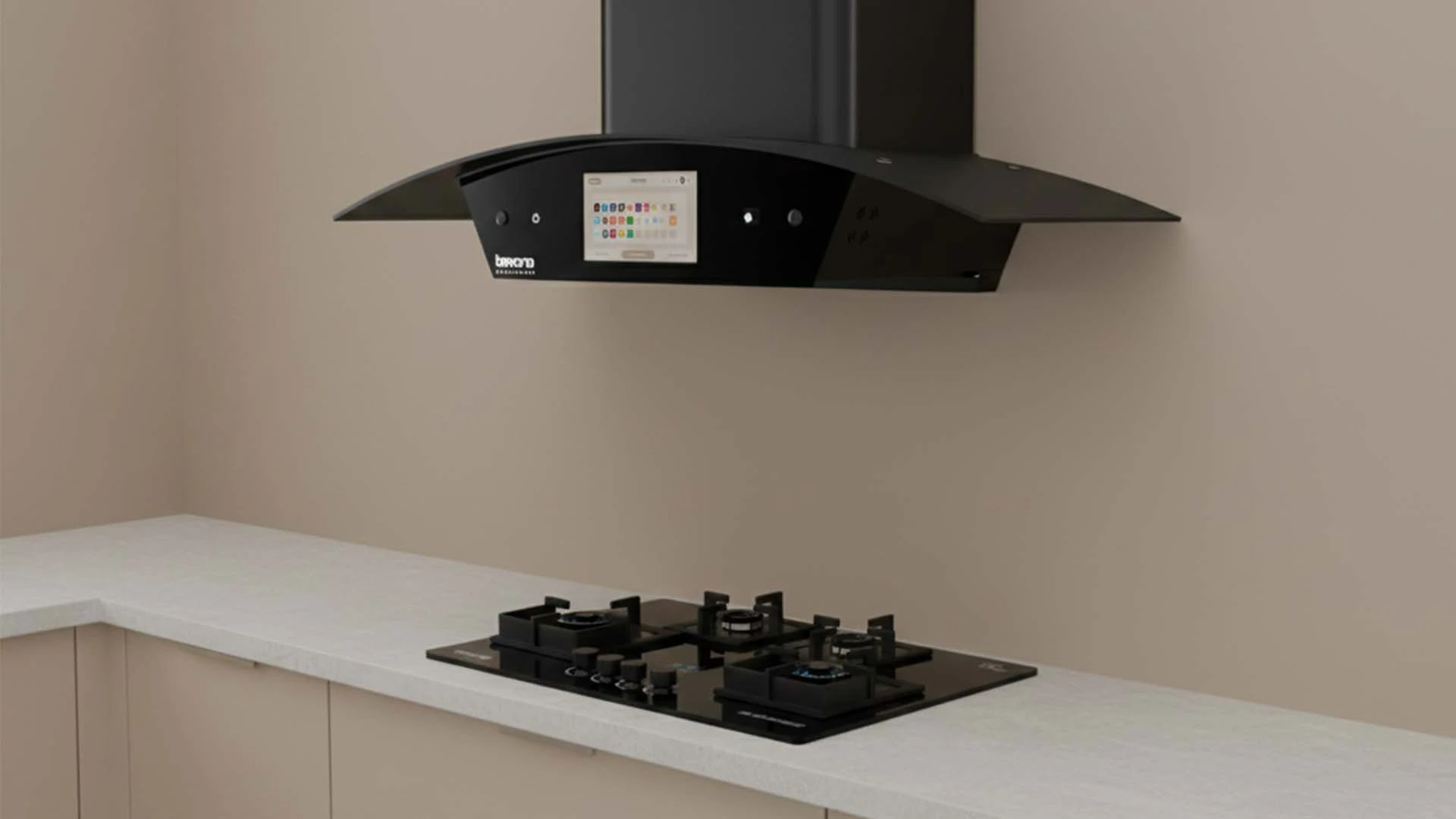
Cooking in an Indian kitchen without proper ventilation can quickly turn your culinary haven into a smoke-filled nightmare. With the rise of modern kitchen design and compact living spaces, homeowners often wonder: is kitchen chimney necessary for every kitchen? The answer isn't straightforward. While traditional cooking methods and spice-heavy Indian cuisine generate significant smoke and oil particles, the choice between a kitchen chimney, exhaust fan, or alternative ventilation solutions depends on your cooking habits, kitchen layout, and budget. This comprehensive checklist will help you evaluate whether investing in a kitchen chimney is the right decision for your home, considering factors like kitchen air quality, space constraints, and long-term benefits.
Kitchen ventilation serves as the backbone of a healthy cooking environment, removing harmful pollutants, excess heat, and moisture that accumulate during cooking. Poor ventilation can lead to grease buildup on walls, lingering odors, and potential health issues from prolonged exposure to cooking fumes.
The primary function of any ventilation system is cooking fumes removal, which becomes particularly crucial in Indian kitchens where high-heat cooking and aromatic spices are common. Without adequate ventilation, these particles settle on surfaces, creating cleaning challenges and potentially affecting indoor air quality.
Modern kitchens typically employ three main ventilation approaches: kitchen chimneys (range hoods), exhaust fans, and natural ventilation through windows and openings. Kitchen chimneys offer the most comprehensive solution, featuring powerful suction capabilities and multi-stage filtration systems that capture both smoke and grease particles effectively.
Proper ventilation directly influences your kitchen's cleanliness, air quality, and overall cooking experience. Inadequate ventilation can result in sticky surfaces, discolored walls, and persistent cooking odors throughout your home. The choice of ventilation system also affects your kitchen's aesthetic appeal and functionality, particularly in compact kitchen ventilation scenarios where space optimization is crucial.
When evaluating chimney vs exhaust fan options, understanding their fundamental differences helps make an informed decision. Kitchen chimneys operate as comprehensive ventilation systems with powerful motors and advanced filtration, while exhaust fans provide basic air circulation.
The performance gap becomes evident in suction capacity, with chimneys typically offering 400-1500 cubic meters per hour compared to exhaust fans' 150-300 cubic meters per hour. This difference significantly impacts their effectiveness in removing cooking fumes and maintaining kitchen air quality.
Kitchen chimneys excel in suction power, making them ideal for heavy cooking scenarios common in Indian households. Their multi-speed settings allow customization based on cooking intensity and fume generation. Exhaust fans, while less powerful, consume significantly less electricity and offer a budget-friendly alternative for light cooking environments or small kitchen ventilation needs.
Chimney installation requires professional expertise, proper ducting, and adequate ceiling height, making it more complex than exhaust fan setup. However, modern chimneys offer ductless options that simplify installation in challenging layouts. Maintenance involves regular filter cleaning or replacement, with baffle filters requiring monthly cleaning and carbon filters needing replacement every 3-6 months depending on usage intensity.
Initial investment for kitchen chimneys ranges from INR 8,000 to INR 50,000, while exhaust fans cost between INR 1,500 to INR 8,000. However, long-term benefits and durability often justify the higher chimney investment. Operating costs include electricity consumption and filter replacements, with chimneys typically consuming 150-300 watts compared to exhaust fans' 50-100 watts.
Range hood benefits extend beyond simple smoke removal, encompassing comprehensive kitchen environment management. These systems effectively capture grease particles, preventing them from settling on kitchen surfaces and reducing cleaning requirements.
Advanced range hoods feature LED lighting that illuminates cooking surfaces, enhancing visibility and safety during food preparation. This dual functionality makes them valuable additions to modern kitchen design schemes.
Range hoods significantly improve indoor air quality by removing harmful pollutants, including carbon monoxide, nitrogen dioxide, and volatile organic compounds generated during cooking processes. The reduction in airborne grease particles also minimizes fire hazards, particularly important when using high-heat cooking methods common in Indian cuisine.
Installing a quality range hood can increase property value and appeal to potential buyers who prioritize modern kitchen amenities and proper ventilation systems. Well-designed range hoods also contribute to kitchen aesthetics, serving as focal points that complement contemporary design themes while providing essential functionality.
Evaluating whether is kitchen chimney necessary for your specific situation requires honest assessment of your cooking habits, kitchen layout, and long-term goals. This checklist provides structured evaluation criteria to guide your decision-making process.
Consider your cooking frequency, types of cuisine prepared, and current ventilation challenges when working through these assessment points. Each factor contributes to determining whether a chimney investment aligns with your needs and budget.
Frequency: Do you cook daily meals with significant oil and spice usage?
Cooking methods: Do you frequently fry, sauté, or use high-heat cooking techniques?
Cuisine types: Do you prepare aromatic Indian dishes that generate substantial smoke and odors?
Family size: Does your household require extensive meal preparation that produces continuous cooking fumes?
Size constraints: Is your kitchen compact with limited natural ventilation options?
Window placement: Do existing windows provide adequate cross-ventilation during cooking?
Ceiling height: Is there sufficient space for proper chimney installation and ducting?
Open layout: Does your kitchen connect directly to living areas where cooking odors could spread?
Smoke accumulation: Do cooking fumes linger in your kitchen despite existing ventilation?
Grease buildup: Are kitchen surfaces becoming sticky or discolored from cooking residue?
Odor persistence: Do cooking smells spread throughout your home and remain for hours?
Cleaning frequency: Are you cleaning kitchen surfaces more often due to grease and smoke residue?
Initial cost: Can you allocate INR 15,000-30,000 for a quality chimney system?
Installation expenses: Are you prepared for professional installation costs and potential electrical work?
Maintenance budget: Can you commit to ongoing filter replacements and cleaning requirements?
Long-term value: Do you plan to stay in your current home long enough to benefit from the investment?
Selecting the best kitchen chimney for Indian cooking conditions requires understanding specific features that address local cooking challenges. High suction capacity, effective filtration, and durability under heavy usage conditions are essential considerations.
Indian cooking generates unique challenges including oil-heavy preparations, spice particles, and high-temperature cooking that demand robust chimney performance. Features like baffle filters, powerful motors, and easy cleaning mechanisms become particularly valuable.
Suction capacity should match your cooking intensity, with 600-900 cubic meters per hour suitable for moderate cooking and 1000+ cubic meters per hour for heavy usage scenarios. Motor quality determines longevity and performance consistency, with copper winding motors offering superior durability compared to aluminum alternatives in Indian cooking conditions.
Baffle filters excel in grease separation and are dishwasher-safe, making them ideal for Indian cooking conditions where oil usage is substantial. Carbon filters provide odor elimination but require regular replacement, adding to operational costs while delivering superior air purification results.
Kitchen chimneys are particularly beneficial for Indian cooking styles that involve significant oil usage, spice grinding, and high-heat preparation methods. For light cooking or minimal oil usage, alternative ventilation options like exhaust fans might suffice. However, even moderate cooking benefits from improved air quality and reduced cleaning requirements that chimneys provide.
Kitchen chimneys offer superior suction power (400-1500 cubic meters per hour), advanced filtration systems, and comprehensive grease removal capabilities. Exhaust fans provide basic air circulation (150-300 cubic meters per hour) at lower costs but with limited effectiveness for heavy cooking scenarios. Chimneys also include features like LED lighting and aesthetic integration that exhaust fans typically lack.
Quality kitchen chimneys in India range from INR 15,000-30,000 for mid-range models with essential features. Basic models start around INR 8,000, while premium options with advanced technology can exceed INR 40,000. Installation costs add INR 2,000-5,000, and ongoing maintenance including filter replacements costs INR 1,500-3,000 annually.
Yes, ductless or recirculating chimneys filter air through carbon and baffle filters before returning it to the kitchen. While less efficient than ducted systems, they provide viable solutions for apartments or homes where external ducting isn't feasible. However, ducted systems offer superior performance for heavy cooking scenarios.
Determining whether is kitchen chimney necessary for your home depends on multiple factors including cooking habits, kitchen layout, and budget considerations. For households that cook frequently with oil-heavy Indian cuisine, kitchen chimneys provide significant benefits in air quality improvement, cleaning reduction, and overall kitchen environment enhancement.
The investment in a quality kitchen chimney typically pays dividends through reduced maintenance, improved property value, and enhanced cooking experiences. However, alternative solutions like exhaust fans or enhanced natural ventilation may suffice for light cooking scenarios or budget-constrained situations. Consider your specific needs, evaluate the provided checklist criteria, and choose the ventilation solution that best aligns with your cooking lifestyle and long-term kitchen goals.
