

Install a Slim Chimney Hood: Complete Kitchen Guide
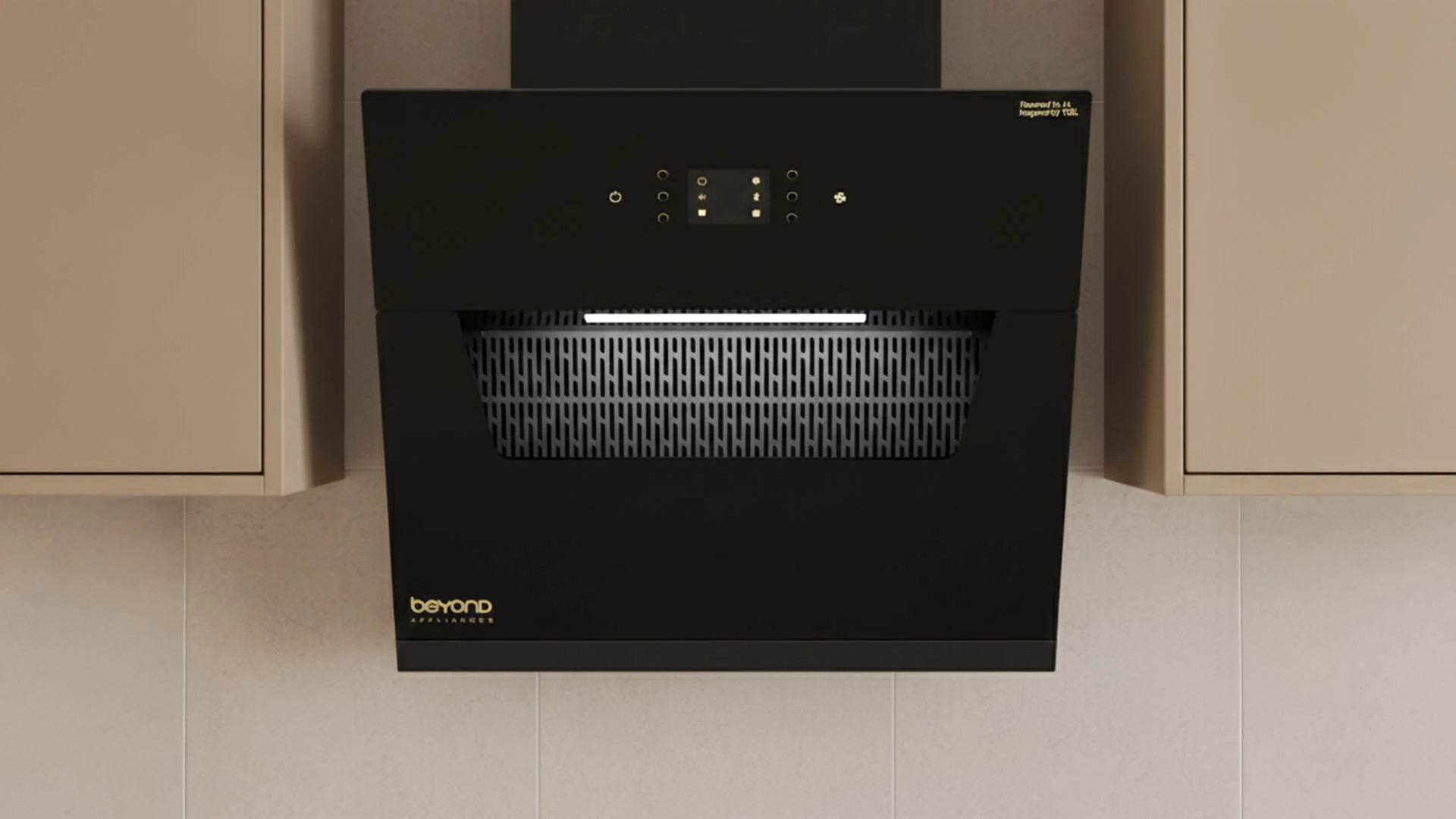
Modern kitchens demand smart solutions that maximize both functionality and space. Compact kitchen chimney models have revolutionized how we approach ventilation in smaller cooking areas. These sleek appliances combine powerful suction capabilities with space-efficient designs, making them perfect for apartments, condos, and compact homes. Whether you're renovating your existing kitchen or designing a new one, understanding the installation process and features of slim chimney hoods will help you make an informed decision that enhances your cooking experience while maintaining your kitchen's aesthetic appeal.
Compact kitchen chimney models come in various configurations to suit different kitchen layouts and cooking needs. These space-saving appliances typically range from 60cm to 75cm in width, making them ideal for smaller kitchens without compromising on performance.
Wall-mounted small kitchen chimney units offer flexibility in placement and work well in open kitchen designs. Under cabinet range hood models integrate seamlessly beneath existing cabinetry, providing a clean, built-in appearance that maximizes vertical space.
BLDC (Brushless Direct Current) motors have become the standard in modern compact kitchen chimney models. These motors operate more efficiently than traditional alternatives, consuming less energy while delivering superior suction power. They also run quieter, which is particularly important in compact living spaces where noise can be more noticeable.
Baffle filter systems work exceptionally well in space saving chimney designs. These stainless steel filters capture grease and oil particles effectively while being easy to clean and maintain. Auto-clean technology, available in premium models, uses heat to break down oil deposits, reducing manual cleaning requirements.
Selecting the right slim chimney hood requires understanding key performance metrics and features that matter most in compact kitchens. Suction capacity, measured in cubic meters per hour (CMH), should match your cooking habits and kitchen size.
For compact kitchens with 2-3 burner setups, a suction capacity between 400-600 CMH typically provides adequate ventilation. Heavy cooking or frequent frying may require higher capacity models reaching 800-1000 CMH, even in smaller spaces.
Mini chimney for kitchen applications should operate below 58 decibels for comfortable use. Energy-efficient models consume between 120-180 watts, making them cost-effective for daily operation. LED lighting integrated into these units provides excellent task lighting while consuming minimal power.
Designer chimney models offer touch controls, gesture sensors, and smartphone connectivity. These features enhance user experience while maintaining the sleek profile essential for compact kitchen designs. Curved glass panels and stainless steel finishes complement modern kitchen aesthetics.
The choice between ducted and ductless systems significantly impacts installation complexity and performance in compact kitchens. Understanding both options helps you select the most suitable compact extractor fan for your specific situation.
Ductless range hood systems offer maximum installation flexibility, especially in apartments where external venting may not be possible. These recirculating kitchen hood units filter air through activated carbon and return clean air to the kitchen. Installation requires only electrical connection, making them ideal for retrofit applications.
Ducted systems provide superior odor and moisture removal by venting air outside. In compact kitchens, ducted modern kitchen ventilation systems work more effectively for heavy cooking but require proper ductwork planning and external wall access.
Ductless systems install faster and require less structural modification. However, they need regular filter replacement and may not handle heavy cooking odors as effectively as ducted alternatives. Consider your cooking habits and building restrictions when choosing between these options.
Installing an under cabinet range hood requires careful planning and attention to safety protocols. Proper installation ensures optimal performance and longevity of your space saving chimney investment.
Measure the space between your cooktop and upper cabinets. Standard clearance should be 24-30 inches for gas cooktops and 18-24 inches for electric units. Ensure adequate electrical supply (usually 120V) is available near the installation location.
Gather a drill with various bits, level, screwdriver set, wire nuts, electrical tape, and mounting brackets. For ducted installations, you'll need ductwork, exterior wall cap, and appropriate sealants. Safety equipment includes safety glasses and work gloves.
Mark mounting holes using the provided template, ensuring the unit is level and centered over the cooktop. Drill pilot holes and secure mounting brackets to cabinet bottom or wall studs. Connect electrical wiring according to local codes, typically requiring a dedicated circuit for higher-powered units.
For ducted systems, route ductwork through the shortest path to an exterior wall. Use rigid metal ducts when possible, as they provide better airflow than flexible alternatives. Seal all connections with appropriate tape or mastic to prevent air leaks.
Modern kitchen ventilation solutions must balance performance with aesthetic appeal in compact spaces. Smart design choices can make your slim chimney hood appear as a natural extension of your kitchen rather than an added appliance.
Custom cabinet panels can conceal the chimney body, creating a seamless look. Some designer chimney models offer panel-ready options that accept custom finishes matching your existing cabinetry. This integration maximizes visual space while maintaining full functionality.
Stainless steel finishes complement most modern appliances, while black stainless or white options can create striking contrasts. Glass panels in compact kitchen chimney models reflect light, making small kitchens appear larger and more open.
Automatic sensors detect cooking activity and adjust fan speed accordingly. Timer functions and delayed shut-off features ensure proper ventilation without manual intervention. These smart capabilities are particularly valuable in compact living spaces where every convenience matters.
Regular maintenance ensures your mini chimney for kitchen operates efficiently and lasts longer. Establishing proper cleaning routines and understanding common issues helps prevent costly repairs and maintains optimal performance.
Baffle filters require cleaning every 2-3 weeks with regular cooking. Soak filters in warm, soapy water or place them in the dishwasher for thorough cleaning. Carbon filters in recirculating kitchen hood systems need replacement every 3-6 months, depending on usage intensity.
Reduced suction often indicates clogged filters or blocked ductwork. Unusual noises may suggest loose mounting screws or worn motor bearings. LED lights flickering typically require simple bulb replacement or electrical connection checking.
Annual professional inspection ensures electrical connections remain secure and motor performance stays optimal. Complex repairs involving motor replacement or electrical issues should always be handled by qualified technicians to maintain warranty coverage and safety standards.
The smallest compact kitchen chimney models typically measure 60cm in width. These units work well for 2-3 burner cooktops and provide adequate suction for light to moderate cooking. Minimum clearance requirements include 18-24 inches above electric cooktops and 24-30 inches above gas units.
Under cabinet range hood models work exceptionally well in small kitchens as they utilize existing cabinet space efficiently. Auto-clean technology reduces maintenance requirements, while filterless designs eliminate the need for regular filter replacement, making them ideal for compact living situations.
Consider your cooking frequency, kitchen size, and installation constraints. Heavy cooking requires higher suction capacity (600-800 CMH), while light cooking needs only 400-500 CMH. Budget considerations should balance initial cost with long-term maintenance requirements and energy efficiency.
Ductless range hood systems offer easy installation without requiring external venting, making them perfect for rental properties. They provide immediate ventilation improvement and can be relocated if needed. However, they require regular filter replacement and may not handle heavy cooking odors as effectively as ducted systems.
Professional installation costs range from INR 2,000 to INR 5,000, depending on complexity and local rates. Ductless installations cost less due to simpler requirements, while ducted systems may require additional charges for ductwork and external venting modifications.
Installing a slim chimney hood transforms your compact kitchen's functionality and appearance. Choose models that match your cooking habits, kitchen size, and installation constraints. Proper planning and professional installation ensure optimal performance and longevity. Regular maintenance keeps your space saving chimney operating efficiently while preserving your investment. Whether you select a ducted or ductless system, modern compact kitchen chimney models offer the perfect blend of performance and style for contemporary compact living spaces.
