

Induction vs Gas Hobs: Which Stove Wins?
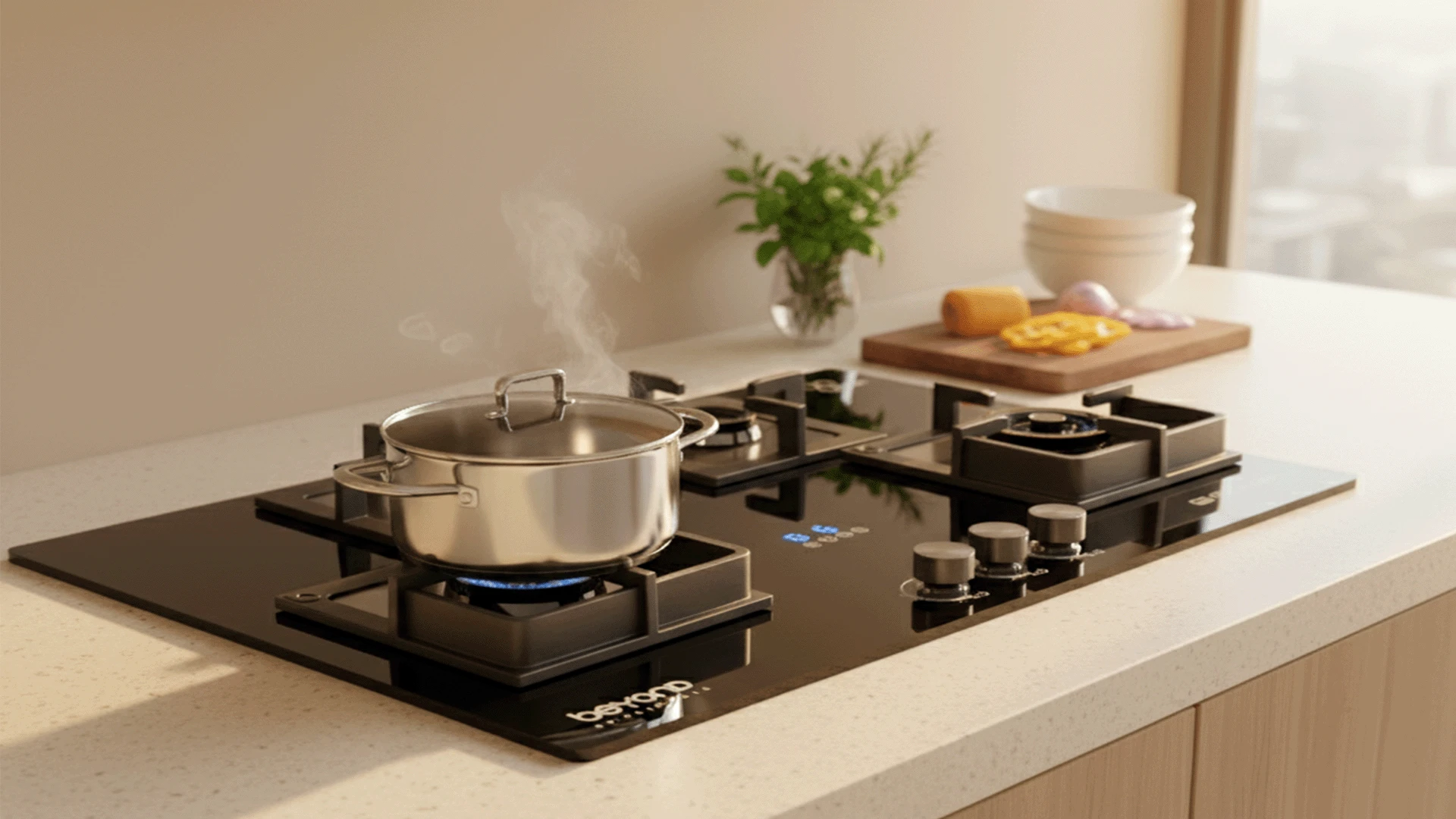
The kitchen is the heart of every home, and choosing the right cooking appliance can transform your culinary experience. When it comes to selecting between induction and gas hobs, homemakers often find themselves weighing various factors like efficiency, safety, and cooking performance. Understanding the key differences between these two popular cooking technologies will help you make an informed decision that suits your lifestyle and kitchen needs. This comprehensive guide explores essential hobtop features and provides valuable insights for your stove buying guide journey.
When choosing hobtop stove features, it's essential to understand the fundamental differences between gas and induction technologies. Each type offers distinct advantages that cater to different cooking styles and kitchen requirements. Modern kitchen appliance features have evolved significantly, making both options more appealing to contemporary homemakers.
Gas hobs remain a popular choice for many Indian kitchens due to their instant flame control and visual heat indicators. The immediate response when you turn the knob gives you complete control over your cooking process. These hobs work seamlessly with all types of cookware, from traditional aluminum pots to modern non-stick pans, making them incredibly versatile for diverse cooking needs. The lower upfront costs make gas hobs an attractive option for budget-conscious buyers. Installation requirements are typically straightforward, especially in homes already equipped with gas connections. Modern gas hobs come with flame failure device (FFD) safety features that automatically cut off gas supply if the flame goes out unexpectedly.
Induction technology represents the pinnacle of energy efficient stoves, offering up to 90% efficiency compared to traditional cooking methods. The precise temperature control through touch controls allows for consistent cooking results every time. The cool-to-touch surface provides enhanced safety, especially in households with children. Smart connected features and sensor-controlled cooking capabilities make induction hobs perfect for the modern, tech-savvy kitchen. Automatic heat controls and timer functions add convenience to your daily cooking routine, allowing you to multitask without worrying about overcooking.
Your decision between induction and gas should align with your specific kitchen layout, cooking habits, and family requirements. Consider factors like available space, existing infrastructure, and long-term usage patterns. The right choice will enhance your cooking experience while fitting seamlessly into your kitchen design.
Standard hob dimensions include 60cm, 70cm, and 90cm widths to accommodate different kitchen sizes. Compact stove options are perfect for smaller kitchens or apartments where space optimization is crucial. Consider whether you need a built-in installation or prefer standalone units based on your kitchen design. Ventilation and clearance requirements differ between gas and induction hobs. Gas hobs need proper ventilation for safety, while induction units require adequate electrical connections and may need specific clearances for optimal performance.
Analyze your family size and cooking frequency to determine the ideal burner configuration. Options range from 2-burner setups for small families to 4-burner configurations for larger households or frequent entertainers. Professional cooking requirements might favor gas hobs for their instant heat adjustment capabilities. Multi-zone cooking capabilities in induction hobs allow for simultaneous preparation of different dishes at varying temperatures, making meal preparation more efficient for busy households.
Contemporary modern stove design focuses on seamless integration with kitchen aesthetics while maintaining functionality. The visual appeal of your cooking appliance contributes significantly to your kitchen's overall ambiance. Both gas and induction hobs offer various design options to complement different kitchen styles.
Glass top elegance in induction hobs provides a sleek, contemporary look that's easy to clean and maintain. Stainless steel durability in gas hobs offers a classic appearance that withstands daily use. Cast-iron grates and high-quality burners ensure longevity and consistent performance. Easy clean surfaces reduce maintenance time, allowing you to focus on cooking rather than cleaning. Color coordination options help match your hob with other kitchen appliances for a cohesive design theme.
Touch control panels offer precise operation and a modern aesthetic, while traditional manual knobs provide tactile feedback preferred by many experienced cooks. Digital displays and programmable settings enhance cooking precision and convenience. App connectivity and remote monitoring capabilities in advanced induction hobs allow you to control cooking processes from anywhere in your home. Safety lock features provide peace of mind for families with young children.
Understanding the long-term operating costs helps make a financially sound decision. Energy efficient stoves can significantly impact your monthly utility bills, making the initial investment worthwhile over time. Consider both immediate costs and long-term savings when evaluating options.
Gas versus electricity pricing varies across different regions in India, affecting your monthly operating costs. Long-term calculations should include fuel price trends and efficiency ratings. Environmental impact considerations favor induction hobs due to their higher energy efficiency and reduced carbon footprint. Energy star ratings provide standardized efficiency metrics to compare different models objectively. Induction hobs typically consume 50% less energy than gas alternatives for similar cooking tasks.
Heat-up time comparisons show induction hobs heating water significantly faster than gas alternatives. Temperature precision and control capabilities are superior in induction technology, allowing for more consistent cooking results. Heat distribution patterns differ between technologies, with induction providing even heating across the cookware base, while gas offers more traditional cooking characteristics preferred by many professional chefs.
Safety should be a primary consideration when selecting any cooking appliance. Modern hobs incorporate various safety technologies to protect users and prevent accidents. Understanding these features helps you choose the safest option for your household.
Flame failure device (FFD) technology in gas hobs automatically shuts off gas supply if flames are extinguished accidentally. Child safety locks prevent unauthorized operation, while automatic shut-off features provide additional protection against overheating or extended operation. Spill-proof designs and overflow protection mechanisms prevent damage to internal components and surrounding surfaces. These features are particularly important in busy kitchens where spills are common.
Professional installation ensures proper setup and compliance with safety standards. Gas leak detection and prevention systems provide ongoing protection, while electrical safety measures for induction units prevent electrical hazards. Regular maintenance schedules help maintain optimal performance and safety standards throughout the appliance's lifespan.
Consider your kitchen size (60cm, 70cm, or 90cm width), cooking habits, family size, and budget. Evaluate burner configuration needs and choose between gas, induction, or hybrid options based on your cooking style and energy preferences. Factor in existing infrastructure and long-term operating costs.
Focus on kitchen layout compatibility, fuel type preference (gas or electric), appropriate dimensions, burner configuration, safety features like FFD, and modern conveniences such as touch controls and smart connectivity. Consider warranty coverage and after-sales service availability.
Induction hobs offer better space efficiency with compact designs, faster cooking times, and easier cleaning. Gas hobs provide instant visual control and work with all cookware. Choose based on your cooking style, available space, and kitchen infrastructure.
Yes, energy efficient induction stoves can reduce cooking energy consumption by up to 50% compared to gas, offering long-term savings despite higher upfront costs. Consider your cooking frequency, local energy prices, and environmental impact when making your decision.
Prioritize flame failure devices for gas hobs, child safety locks, automatic shut-off features, and spill-proof designs. For induction hobs, look for cool-touch surfaces, overheat protection, and residual heat indicators. Professional installation ensures optimal safety performance.
Choosing between induction and gas hobs depends on your specific needs, cooking style, and kitchen requirements. Induction hobs excel in energy efficiency, precise control, and safety features, making them ideal for modern, tech-savvy kitchens. Gas hobs offer instant heat control, universal cookware compatibility, and lower upfront costs, appealing to traditional cooking enthusiasts. Consider factors like kitchen size, family needs, operating costs, and safety requirements when making your final decision. Both technologies offer excellent cooking performance when properly selected and maintained.
