

Induction Hob: Your Complete Guide to Smart Cooking
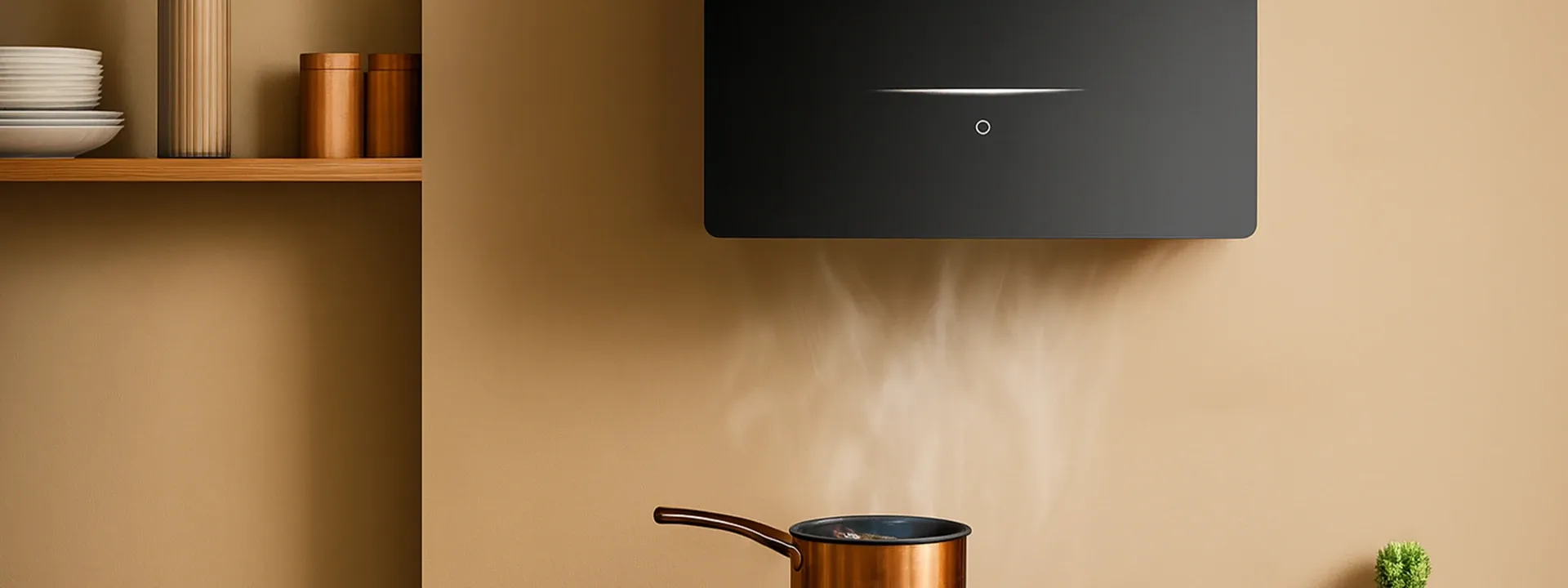
Modern kitchens demand efficiency, safety, and style in equal measure. As cooking technology evolves, homemakers and cooking enthusiasts are discovering the remarkable benefits of induction kitchen hob systems that transform daily meal preparation. These electromagnetic marvels represent a significant leap forward from traditional gas and electric cooking methods, offering precision, speed, and energy efficiency that align perfectly with contemporary lifestyle needs. Whether you're renovating your kitchen or simply seeking smarter cooking solutions, understanding induction technology can revolutionize your culinary experience and make every cooking session more enjoyable and efficient.
Induction hobs represent a revolutionary approach to cooking that uses electromagnetic technology to heat cookware directly. Unlike traditional gas flames or electric coils that heat the cooking surface first, induction systems create a magnetic field that generates heat within compatible cookware itself. This fundamental difference makes induction cooking remarkably efficient and precise.
The magic happens through electromagnetic induction, where copper coils beneath the glass surface create alternating magnetic fields. When magnetic cookware is placed on the hob, these fields generate electrical currents within the pan, creating heat instantly. The cooking surface remains relatively cool, as heat is produced directly in the cookware rather than transferred from a hot surface.
Induction technology comes in various configurations to suit different kitchen needs. Built-in models integrate seamlessly into countertops, while portable induction cooktop options offer flexibility for small spaces or temporary cooking setups. Single-zone units work perfectly for compact kitchens, whereas multi-zone configurations provide professional-level cooking capabilities for larger households.
The induction hob benefits extend far beyond simple cooking convenience, offering tangible advantages that impact daily life, energy bills, and cooking results. These benefits make induction technology increasingly popular among discerning home cooks who value efficiency and performance.
Induction hobs achieve up to 90% energy transfer efficiency, compared to just 40-50% for gas hobs. This energy efficient hob performance translates to significant cost savings over time. The direct heating method eliminates energy waste, as heat goes directly into your cookware rather than heating the surrounding air or cooking surface.
Instant heat adjustment capabilities allow for professional-level temperature precision. Induction hobs can bring water to boil up to 50% faster than conventional methods, while offering immediate response to temperature changes. This precision enables delicate cooking techniques like tempering chocolate or maintaining perfect simmering temperatures.
The cool-to-touch surface technology makes induction hobs significantly safer than traditional alternatives. Automatic shut-off mechanisms activate when cookware is removed, while child safety locks prevent accidental operation. These safety features provide peace of mind for families with young children.
The smooth glass surface eliminates crevices where food particles can accumulate. Since the surface doesn't get extremely hot, spills rarely burn on, making cleanup as simple as wiping with a damp cloth. This ease of maintenance keeps your kitchen looking pristine with minimal effort.
The practical induction cooking benefits become apparent in everyday cooking scenarios, where speed, precision, and convenience matter most. These advantages make meal preparation more enjoyable and efficient for busy households.
Immediate temperature changes allow for perfect cooking control, whether you're searing meat at high heat or gently melting butter. Consistent heat distribution ensures even cooking results, while the ability to maintain precise temperatures enables advanced cooking techniques previously reserved for professional kitchens.
The sleek compact hob design integrates beautifully with contemporary kitchen aesthetics. Modern kitchen hob installations create clean lines and uncluttered surfaces, while flexible installation options accommodate various kitchen layouts and design preferences.
While induction cooktop advantages are numerous, understanding potential limitations helps make informed decisions. Addressing these concerns provides a balanced perspective on induction technology adoption.
The upfront cost of induction hobs may be higher than basic gas or electric alternatives. Additionally, magnetic cookware is essential for induction cooking, which might require replacing existing pans. However, the long-term energy savings and durability often justify the initial investment.
Scientific evidence consistently shows that induction cooking poses no health risks. The electromagnetic fields are contained within the cooking zone and are similar in strength to those produced by many household appliances. Safety standards ensure that induction hobs operate well within established guidelines.
Non-magnetic cookware simply won't heat on induction surfaces, requiring compatible pots and pans. Some users need time to adjust to the different sounds and immediate responsiveness of induction cooking. However, most people adapt quickly and appreciate the enhanced control.
Selecting the best induction hob depends on your specific cooking needs, kitchen layout, and budget considerations. Understanding key features and options helps ensure you choose the perfect solution for your home.
Power levels typically range from 1,000 to 3,500 watts per zone, with higher wattage providing faster heating. Control interfaces vary from touch controls to traditional knobs, each offering different user experiences. Safety features like automatic pan detection and overflow protection enhance convenience and security.
Portable induction cooktop units offer flexibility for small kitchens, outdoor cooking, or temporary setups. Built-in models provide seamless integration with permanent kitchen designs. Consider your space constraints, installation capabilities, and long-term kitchen plans when choosing between options.
Induction hobs offer superior energy efficiency (up to 90%), faster cooking speeds, precise temperature control, enhanced safety with cool surfaces, and easier cleaning. They also provide instant heat adjustment and consistent cooking results.
Yes, induction cooking is completely safe for daily use. The electromagnetic fields are contained within the cooking zone and pose no health risks. The cool surface technology actually makes induction hobs safer than traditional gas or electric alternatives.
Non-magnetic cookware simply won't heat on induction surfaces. You need pans made from magnetic materials like cast iron or magnetic stainless steel. A simple test is to see if a magnet sticks to the bottom of your cookware.
No, induction hobs are more energy-efficient than traditional electric hobs. They convert up to 90% of energy into heat compared to 65-70% for electric coil hobs, resulting in lower electricity consumption and faster cooking times.
Only magnetic cookware works with induction hobs. Cast iron, magnetic stainless steel, and induction-compatible cookware will work perfectly. Aluminum, copper, and non-magnetic stainless steel pans won't heat unless they have a magnetic base.
Portable units can be just as effective for single-zone cooking, though they may have lower maximum power outputs. They're perfect for small kitchens, additional cooking capacity, or situations where permanent installation isn't possible.
The benefits of induction kitchen hob technology make it an excellent choice for modern homes seeking efficiency, safety, and cooking precision. From remarkable energy savings and faster cooking times to enhanced safety features and easy maintenance, induction hobs represent the future of home cooking. While the initial investment and cookware requirements deserve consideration, the long-term advantages in performance, efficiency, and convenience make induction technology a smart choice for discerning home cooks who value quality and innovation in their kitchens.
