

How to Use Steam Wash for Auto Chimney Clean
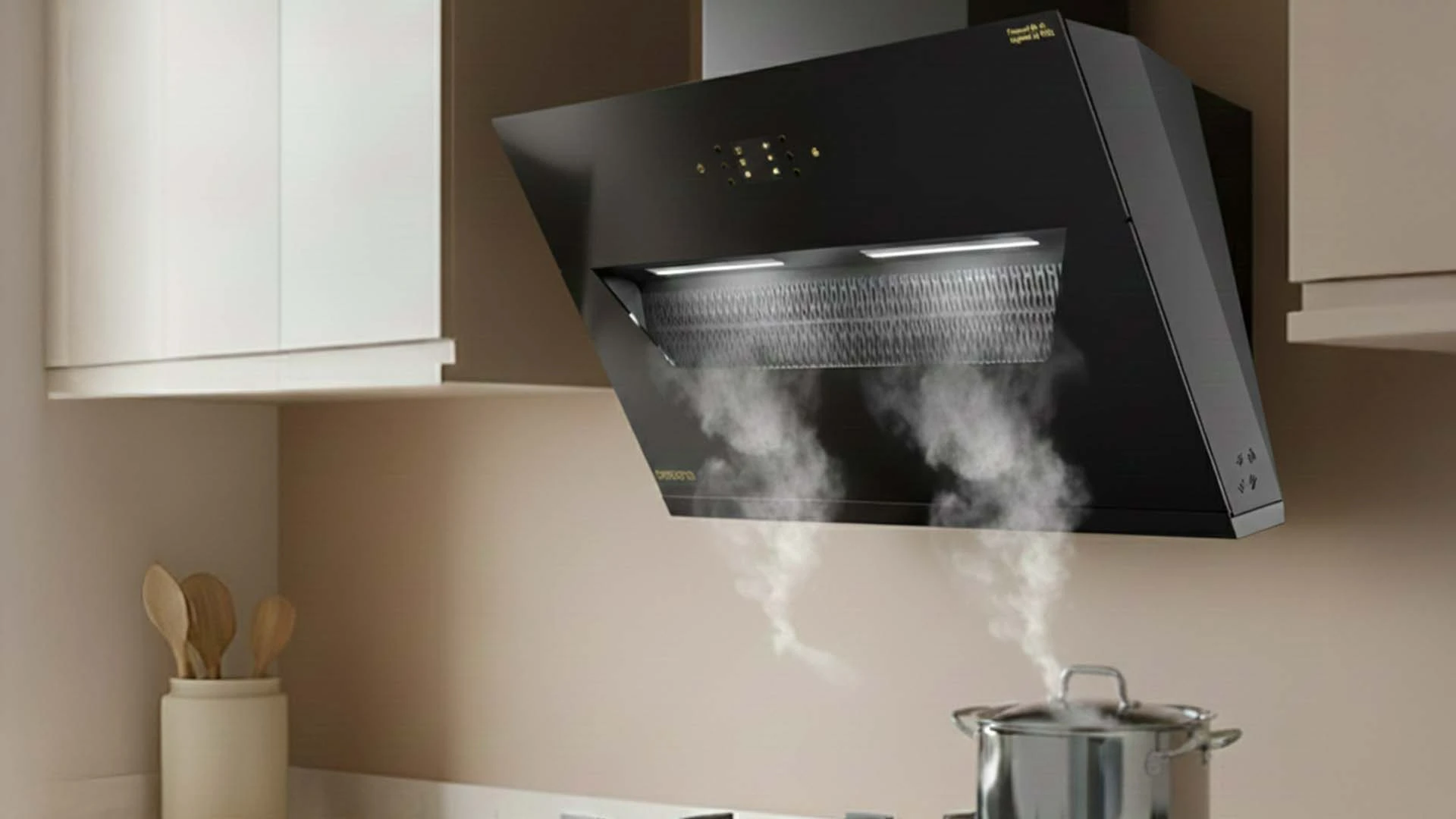
Modern kitchens demand smart solutions that save time and effort. Auto clean chimney steam wash technology represents a breakthrough in kitchen maintenance, offering homeowners a hassle-free way to keep their chimneys spotless. This innovative system uses high-temperature steam to dissolve grease and oil buildup automatically, eliminating the need for manual scrubbing and harsh chemicals. Whether you have a compact chimney or a full-sized unit, understanding how to use steam wash technology properly ensures optimal performance and extends your appliance's lifespan. Let's explore everything you need to know about this game-changing feature.
Auto clean chimney steam wash technology uses high-temperature steam to break down grease, oil, and food particles that accumulate inside your chimney during cooking. Unlike traditional cleaning methods, this system operates automatically at the touch of a button. The steam chimney cleaner works by heating water to create pressurized steam that reaches temperatures between 80-120°C. This steam penetrates deep into the chimney's internal components, dissolving stubborn grease deposits that would otherwise require manual scrubbing. The process is completely automated, requiring no disassembly of parts or use of cleaning chemicals.
Steam-based auto clean systems offer superior cleaning compared to heat-only or water-based alternatives. While heat auto clean uses dry heat to carbonize grease, steam wash combines heat with moisture for more effective dissolution. Water wash systems, though gentler, lack the temperature needed to tackle heavy grease buildup effectively.
Modern steam auto clean systems feature advanced controls that optimize cleaning cycles based on usage patterns. These systems consume less energy while delivering thorough cleaning results. The automated nature means you can start a cleaning cycle and continue with other tasks without supervision.
The science behind chimney steam cleaning service lies in steam's unique properties. When water transforms into steam, it expands dramatically, creating pressure that helps dislodge particles. The high temperature breaks molecular bonds in grease and oil, converting solid deposits into liquid form that can be easily removed. During operation, the chimney's heating element raises water temperature to the boiling point. The resulting steam circulates through the chimney's internal chambers, including the blower housing, filters, and ductwork. This comprehensive coverage ensures no area remains untouched by the cleaning process.
Effective clean chimney operation requires steam temperatures between 100-120°C. The pressure generated helps steam penetrate into crevices where grease typically accumulates. Most systems maintain these conditions for 3-12 minutes, depending on the cleaning intensity selected.
Modern chimneys feature intelligent sensors that monitor steam generation and distribution. These sensors ensure optimal cleaning conditions throughout the cycle while preventing overheating or excessive moisture buildup.
Using auto chimney clean technology is straightforward, but following proper procedures ensures best results and safety. Always consult your specific model's manual, as procedures may vary slightly between manufacturers. Before starting any chimney wash cycle, ensure your kitchen is well-ventilated and the chimney has been turned off for at least 30 minutes to cool down completely. Remove any visible debris from the chimney's exterior and ensure the power supply is stable.
• Verify the chimney is completely cool to touch • Check that all external filters are properly seated • Ensure adequate ventilation in the kitchen • Remove any items from the cooktop area below • Confirm water reservoir is filled (if your model requires it)
Locate the auto clean or steam wash button on your chimney's control panel. This button is typically marked with a steam symbol or labeled clearly. Press and hold the button for 2-3 seconds to activate the cleaning mode. Once activated, the system will begin heating water to generate steam. You'll hear the heating element engage and may notice slight vibrations as the system operates. The cleaning cycle typically runs for 3-12 minutes, depending on your model and selected intensity.
After the cycle completes, allow the chimney to cool for at least 15 minutes before opening any panels. Wipe down external surfaces with a damp cloth to remove any condensation. Check that all components have returned to their normal positions and the system is ready for regular use.
Chimney cleaning methods vary significantly in effectiveness and convenience. Manual cleaning requires disassembling components and scrubbing with degreasers, which can be time-consuming and messy. This traditional approach, while thorough, demands regular effort and proper disposal of cleaning chemicals. Steam wash technology offers several advantages over manual chimney cleaning. The automated process eliminates the need for disassembly, reducing the risk of damaging delicate components. Steam penetrates areas that are difficult to reach manually, ensuring more comprehensive cleaning.
Manual cleaning typically requires 45-60 minutes of active work, while steam wash completes the job in 3-12 minutes with no hands-on involvement. The frequency of cleaning also differs – manual cleaning is often done monthly, while steam wash can be used weekly without any additional effort.
While steam-equipped chimneys have higher upfront costs, they eliminate ongoing expenses for cleaning supplies and reduce the need for professional servicing. The time savings alone make steam technology worthwhile for busy households.
Chimney maintenance extends beyond just using the auto clean feature. Regular care ensures your steam system operates efficiently and your chimney provides years of reliable service. Daily maintenance involves wiping external surfaces and checking that vents remain unobstructed. Weekly steam wash cycles work best for most households, though heavy cooking may require more frequent cleaning. The beauty of steam technology is that you can run cycles as often as needed without wear concerns, unlike manual cleaning which can stress components.
Monthly tasks include checking and cleaning external filters, inspecting the water reservoir (if applicable), and verifying that all control functions operate correctly. Annual professional servicing ensures internal components remain in optimal condition and warranties stay valid.
• Reduced suction power during cooking • Unusual noises during operation • Steam wash cycle not completing properly • Visible grease buildup despite regular cleaning • Error codes or warning lights appearing
Selecting the ideal steam-equipped chimney depends on your kitchen size, cooking habits, and budget. Modern chimney design offers various options, from wall-mounted units to island installations, each with different steam cleaning capabilities. Compact chimney models work excellently for smaller kitchens while still providing full steam cleaning functionality. These space-saving designs don't compromise on cleaning power, making them perfect for apartments and modern homes with limited kitchen space.
• Steam generation capacity and cycle options • Suction power ratings (measured in CMH) • Filter quality and replacement intervals • Energy efficiency ratings • Noise levels during operation • Warranty coverage and service support
Steam auto clean chimneys typically range from INR 15,000 to INR 50,000, depending on features and brand. While the initial investment is higher than basic models, the long-term savings in maintenance costs and time make them worthwhile for most households.
For regular cooking, use steam wash weekly. Heavy cooking or frequent frying may require 2-3 cycles per week. The automated nature means you can use it as often as needed without concern.
Yes, steam wash often outperforms manual cleaning by reaching areas that are difficult to access manually. The high-temperature steam dissolves grease more effectively than most cleaning chemicals.
Minimal maintenance is needed. Keep the water reservoir clean (if your model has one), ensure vents stay clear, and run regular cleaning cycles. Annual professional servicing helps maintain optimal performance.
Retrofitting isn't typically possible due to the specialized heating elements and controls required. Steam wash technology needs to be built into the chimney during manufacturing.
Successful cycles show reduced grease buildup, improved suction performance, and cleaner internal surfaces. Most modern units also provide completion indicators or status lights.
Steam wash technology transforms chimney maintenance from a tedious chore into an effortless automated process. By understanding how to use auto clean chimney steam wash features properly, you ensure optimal performance and extend your appliance's lifespan. Regular use of steam cleaning, combined with basic maintenance practices, keeps your kitchen environment clean and healthy while saving significant time and effort. Whether you're considering upgrading to a steam-equipped model or maximizing your current system's potential, this technology represents the future of kitchen appliance maintenance.
