

How to Use an Automatic Chimney Cleaning System
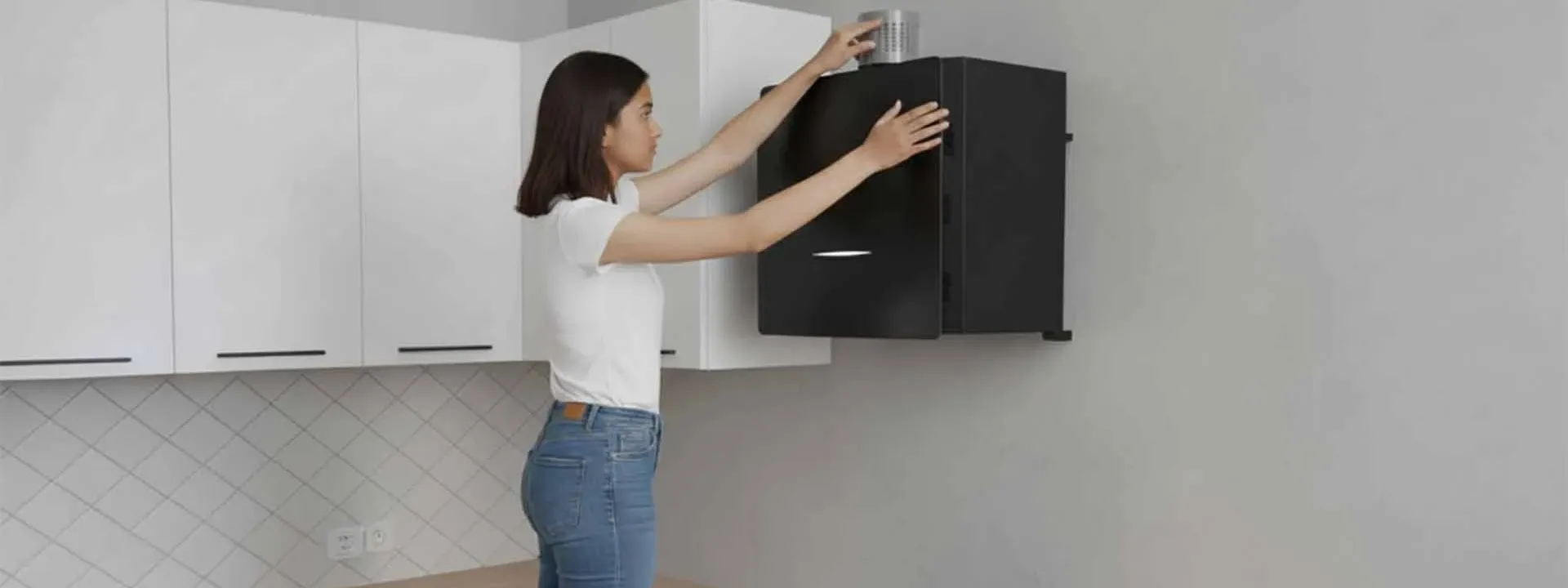
Modern kitchens demand smart solutions that make cooking easier and more enjoyable. Automatic chimney cleaning systems represent a breakthrough in kitchen technology, eliminating the tedious task of manual chimney maintenance. These innovative systems use advanced thermal technology to clean themselves, saving time and ensuring optimal performance. Whether you're a busy homemaker or someone who loves spending time in the kitchen, understanding how these systems work can transform your cooking experience. This comprehensive guide will walk you through everything you need to know about using and maintaining your automatic chimney cleaning system.
An automatic chimney cleaning system explained in simple terms is a self-maintaining kitchen appliance that uses heat and advanced technology to remove grease, oil, and soot buildup without manual intervention. These systems incorporate sophisticated chimney cleaning automation that activates based on usage patterns or manual commands.
The core of auto-clean technology lies in thermal cleaning mechanisms. When activated, the system heats internal components to high temperatures, typically between 200-250°C. This intense heat breaks down accumulated grease and oil particles, converting them into easily removable residue. The aluminum non-stick turbine blower components resist buildup during this process, while sensor-based automatic activation ensures the cleaning cycle runs when needed most.
Modern automatic chimneys feature BLDC (Brushless Direct Current) motors that provide consistent performance and energy efficiency. Internal heating elements distribute heat evenly throughout the system. Grease collection chambers capture liquefied residue during cleaning cycles. Smart control panels with intuitive interfaces make operation simple for users of all technical levels.
Using an automatic chimney sweep system requires understanding both setup procedures and operational guidelines. Proper usage ensures maximum cleaning effectiveness and extends the lifespan of your chimney cleaning system.
Before using your auto-clean function, ensure proper electrical connections are established. Most systems require 220-240V power supply with adequate circuit protection. Ventilation requirements vary by model, but adequate airflow around the unit prevents overheating. For compact chimney cleaner models, maintain at least 6 inches clearance on all sides.
Locate the auto-clean button on your control panel, typically marked with a distinctive icon or "Auto Clean" text. Press and hold for 3-5 seconds to initiate the cleaning cycle. The system will display indicator lights showing cycle progress. Optimal activation occurs after heavy cooking sessions when grease accumulation is highest. Avoid running the cycle immediately after cooking; allow the chimney to cool for 15-20 minutes first.
Typical cleaning cycles last 30-45 minutes depending on buildup levels. Visual indicators show cycle progress through LED displays or blinking lights. Audio alerts signal cycle completion. Manual intervention is rarely needed, but monitor for unusual sounds or excessive heat emission during operation.
While auto-clean technology handles internal cleaning, a comprehensive chimney maintenance system includes regular user maintenance tasks. Effective chimney soot removal and general upkeep ensure optimal performance and longevity.
Clean external surfaces weekly using mild detergent and soft cloth. Empty and wash grease collection trays monthly or when indicator lights signal fullness. Inspect filters if your model includes them, cleaning or replacing as needed. Perform visual ductwork checks for blockages or damage, especially important for traditional ducted systems.
Schedule professional deep cleaning annually to address areas beyond auto-clean reach. Component replacement schedules vary by manufacturer but typically include motor bearings and heating elements every 3-5 years. Performance optimization checks ensure sensors and controls function correctly.
Even advanced chimney cleaning technology occasionally experiences issues. Understanding common problems and their chimney cleaning solutions helps maintain consistent performance.
Verify power supply connections and check circuit breakers. Reset the control panel by unplugging the unit for 30 seconds, then reconnecting. Clean sensor areas with dry cloth, as dust accumulation can interfere with touch-sensitive controls.
Excessive grease buildup may require multiple cleaning cycles. Check temperature sensor calibration by observing heating element performance during cycles. Motor performance issues manifest as reduced suction or unusual noises during operation.
Verify component alignment, particularly fan blades and motor mounts. Some models require periodic lubrication of moving parts. Contact service technicians if problems persist after basic troubleshooting.
Contemporary chimney cleaning technology incorporates smart features that enhance user experience. Compact chimney cleaner designs maximize functionality while minimizing space requirements.
Many modern systems offer app-based controls allowing remote operation and monitoring. Maintenance scheduling alerts notify users when cleaning cycles or servicing are due. Some models integrate with smart home systems for voice control and automation.
Variable speed controls adjust suction power based on cooking intensity. Heat recovery systems capture and redirect waste heat for improved efficiency. LED lighting integration provides excellent illumination while consuming minimal energy.
Space-saving installations suit modern kitchen layouts without compromising performance. Aesthetic integration options include sleek finishes and customizable panels. Performance in small kitchens often exceeds traditional larger units due to optimized airflow design.
Auto-clean systems use thermal technology to heat internal components to high temperatures, breaking down grease and oil accumulation. The heat converts buildup into easily removable residue that collects in designated chambers.
Higher initial costs compared to manual systems, increased energy consumption during cleaning cycles, and potential complexity in repairs are primary disadvantages. However, long-term convenience and maintenance savings often offset these concerns.
Auto-clean chimneys suit busy households and heavy cooking users, while manual systems work well for light cooking and budget-conscious buyers. Consider cooking frequency, available time for maintenance, and long-term cost factors when choosing.
Run cycles weekly for heavy cooking households, bi-weekly for moderate use, and monthly for light cooking. Monitor grease accumulation indicators and adjust frequency accordingly.
Never operate the chimney for cooking during auto-clean cycles. The high temperatures and cleaning process require dedicated operation time for safety and effectiveness.
Automatic chimney cleaning systems revolutionize kitchen maintenance through advanced thermal technology and smart automation. Proper usage involves understanding setup requirements, operating procedures, and regular maintenance tasks beyond auto-clean functions. While these systems require higher initial investment, they provide significant time savings and consistent performance for modern kitchens. Regular monitoring, basic troubleshooting knowledge, and annual professional servicing ensure optimal operation. Whether choosing a traditional ducted system or innovative ductless models, automatic cleaning technology represents the future of kitchen ventilation solutions.
