

How to Understand Kitchen Chimney Suction Power
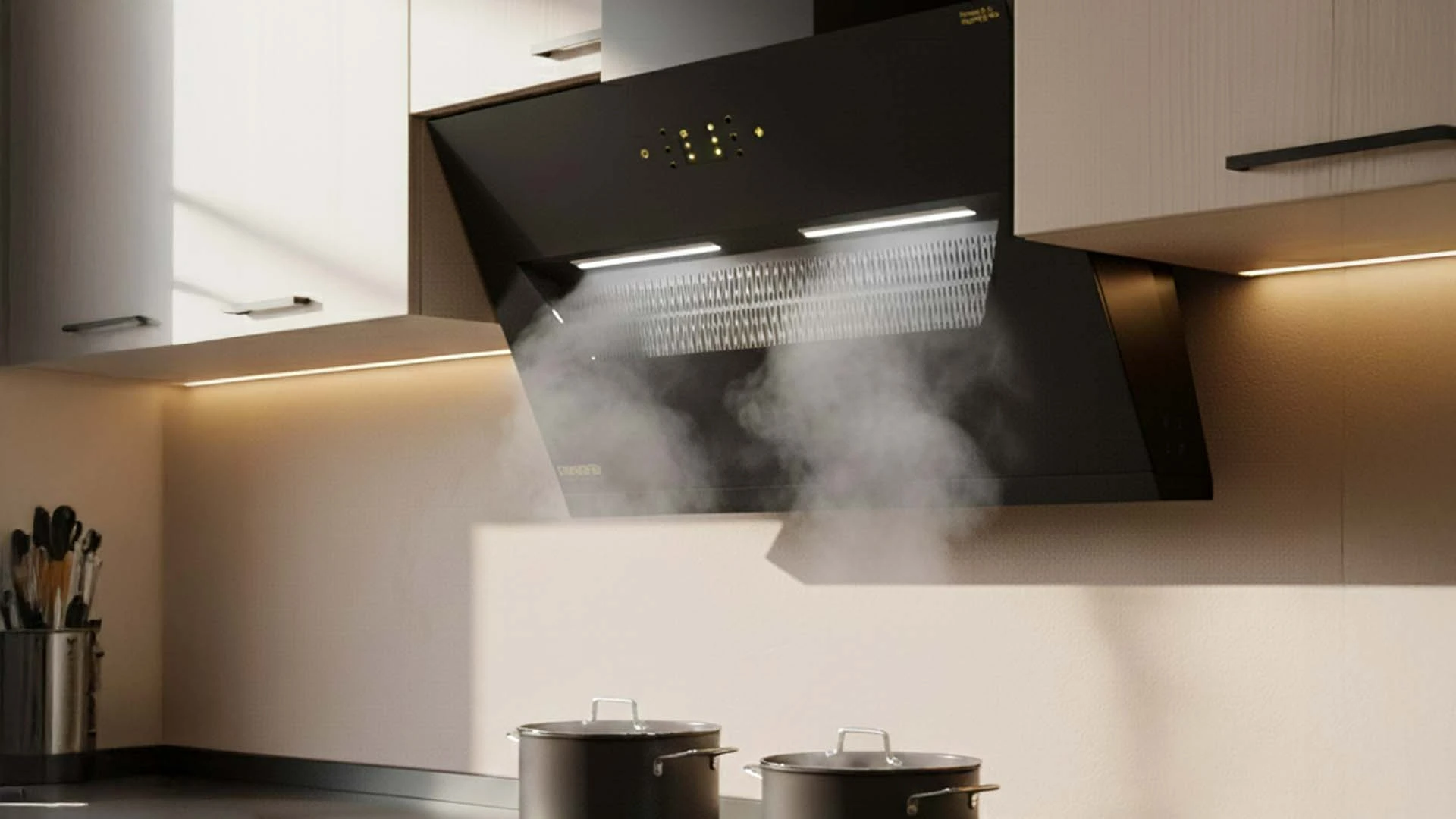
Understanding kitchen chimney suction power is crucial for creating an effective cooking environment in your home. Many homeowners struggle with persistent kitchen odors and poor smoke removal because they don't fully grasp how suction power works. The right chimney suction capacity can transform your cooking experience, ensuring clean air and a comfortable kitchen atmosphere. This comprehensive guide will help you decode CFM ratings, calculate requirements for your space, and optimize chimney performance for Indian cooking styles.
Kitchen chimney suction power refers to the volume of air that your exhaust hood can extract from your kitchen per hour. This measurement directly impacts how effectively your chimney removes smoke, steam, grease particles, and cooking odors from your cooking area. Unlike motor wattage, which indicates power consumption, suction power measures actual kitchen ventilation performance. The suction power determines how quickly and efficiently your chimney can clear the air above your cooking surface. Higher suction power means faster air movement and better smoke removal, especially important for Indian cooking styles that involve heavy use of spices, oils, and high-heat cooking methods. Poor suction power leads to lingering odors, grease buildup on kitchen surfaces, and an uncomfortable cooking environment.
Suction power is typically measured in cubic meters per hour (m³/hr) or cubic feet per minute (CFM rating). To convert CFM to m³/hr, multiply the CFM value by 1.7. For example, 600 CFM equals approximately 1020 m³/hr. Most Indian manufacturers use m³/hr as the standard measurement unit for chimney airflow specifications.
Calculating the right suction power for your kitchen involves considering multiple factors beyond just kitchen size. The basic formula starts with your kitchen's volume, but cooking habits and kitchen design significantly influence the final requirements. Understanding these calculations helps you choose a chimney that performs optimally without wasting energy. For accurate calculation, measure your kitchen's length, width, and height in feet. Multiply these dimensions to get the kitchen volume in cubic feet. Then multiply by 10-15 for light cooking or 15-20 for heavy Indian cooking to determine the minimum required suction power in CFM. Convert this to m³/hr by multiplying by 1.7 for local specifications.
Cooking frequency and style dramatically impact suction requirements. Households that frequently prepare fried foods, use multiple burners simultaneously, or cook with strong spices need higher suction power. Open kitchen layouts require 20-30% more suction power compared to closed kitchens due to larger air circulation areas.
Indian cooking presents unique challenges for kitchen ventilation systems due to high-heat cooking methods, extensive use of oils, and aromatic spices. Standard suction power recommendations for Indian households differ significantly from international guidelines. Light cooking with minimal oil and spices requires 600-800 m³/hr, while regular Indian cooking needs 900-1200 m³/hr suction power. Heavy-duty cooking involving frequent deep frying, tandoor-style cooking, or commercial-level food preparation demands 1300-1500+ m³/hr suction power. These higher ratings ensure effective removal of dense smoke and strong odors typical in traditional Indian cooking. Energy efficiency becomes crucial at higher suction levels, so look for chimneys with variable speed controls and energy-efficient motors.
Modern electric chimneys offer variable speed settings that allow you to adjust suction power based on cooking intensity. Low speeds (400-600 m³/hr) work well for light sautéing, medium speeds (800-1000 m³/hr) handle regular cooking, and high speeds (1200+ m³/hr) tackle heavy frying and grilling. Auto-clean features help maintain consistent suction power by preventing grease buildup on internal components.
Proper installation and maintenance significantly impact your chimney's actual suction performance. Even a high-powered chimney can underperform if installed incorrectly or poorly maintained. Duct design plays a crucial role in chimney airflow efficiency. Straight, short ducts with minimal bends provide the best airflow, while long or twisted ductwork reduces effective suction power. Installation height affects suction efficiency dramatically. Mount your chimney 24-30 inches above gas cooktops and 20-24 inches above electric cooktops for optimal performance. Too high reduces suction effectiveness, while too low creates safety hazards and interferes with cooking. Regular filter cleaning maintains peak suction power by preventing airflow restrictions.
Signs of inadequate suction include persistent cooking odors, visible smoke escaping around the chimney edges, and grease deposits on nearby surfaces. These issues often result from clogged filters, improper installation, or insufficient suction power for your cooking style. Regular maintenance includes monthly filter cleaning and annual professional servicing to maintain optimal chimney performance.
Kitchen size directly correlates with required suction power, but the relationship isn't purely linear. Small kitchens (up to 100 sq ft) typically need 700-1000 m³/hr, medium kitchens (100-200 sq ft) require 1000-1300 m³/hr, and large kitchens (200+ sq ft) demand 1300-1600 m³/hr suction power. These ranges accommodate different cooking intensities within each size category. Ceiling height also influences suction requirements. Kitchens with high ceilings (10+ feet) need 15-20% more suction power to effectively capture cooking fumes before they disperse. Compact modern designs often feature powerful motors in sleek profiles, making them ideal for smaller kitchens where space efficiency matters.
Open kitchen designs connected to living areas require 25-40% higher suction power compared to closed kitchens. The larger air volume and lack of barriers mean cooking odors and smoke can spread throughout your home without adequate ventilation. Consider chimneys with 1400+ m³/hr capacity for open layouts, especially if you frequently cook aromatic Indian dishes.
Good suction power depends on your kitchen size and cooking style. For small kitchens with light cooking, 700-1000 m³/hr provides adequate performance. Medium kitchens with regular Indian cooking need 1000-1300 m³/hr, while large kitchens or heavy cooking require 1300+ m³/hr suction power.
Yes, 1350 m³/hr suction power is excellent for most Indian kitchens. This capacity handles heavy-duty cooking including frequent frying, multiple burner use, and aromatic spice preparation. It's particularly suitable for medium to large kitchens with regular Indian cooking patterns.
For Indian cooking conditions, minimum 900 m³/hr suction power is recommended for regular households. Kitchens with frequent frying, spice-heavy cooking, or multiple daily cooking sessions benefit from 1200+ m³/hr capacity. Consider your specific cooking habits when selecting suction power.
Calculate kitchen volume (length × width × height in feet), then multiply by 12-15 for light cooking or 15-20 for heavy cooking. Convert the result from CFM to m³/hr by multiplying by 1.7. Add 20-30% for open kitchens or high ceilings.
Higher suction power typically increases electricity consumption, but modern chimneys with variable speed controls help optimize energy usage. Use lower speeds for light cooking and higher speeds only when needed for heavy cooking or smoke removal.
While oversized suction power won't harm your kitchen, it may create excessive noise and unnecessary energy consumption. Choose suction power appropriate for your kitchen size and cooking style for optimal efficiency and comfort.
Selecting the right kitchen chimney suction power requires balancing your kitchen size, cooking style, and energy efficiency needs. Understanding CFM ratings and measurement units helps you compare different models effectively. Regular maintenance and proper installation ensure your chimney delivers optimal smoke removal and kitchen ventilation performance throughout its lifespan. Invest in adequate suction power from the start rather than upgrading later, as proper ventilation significantly improves your cooking experience and kitchen air quality.
