

How to Transform Your Kitchen with Smart Technology
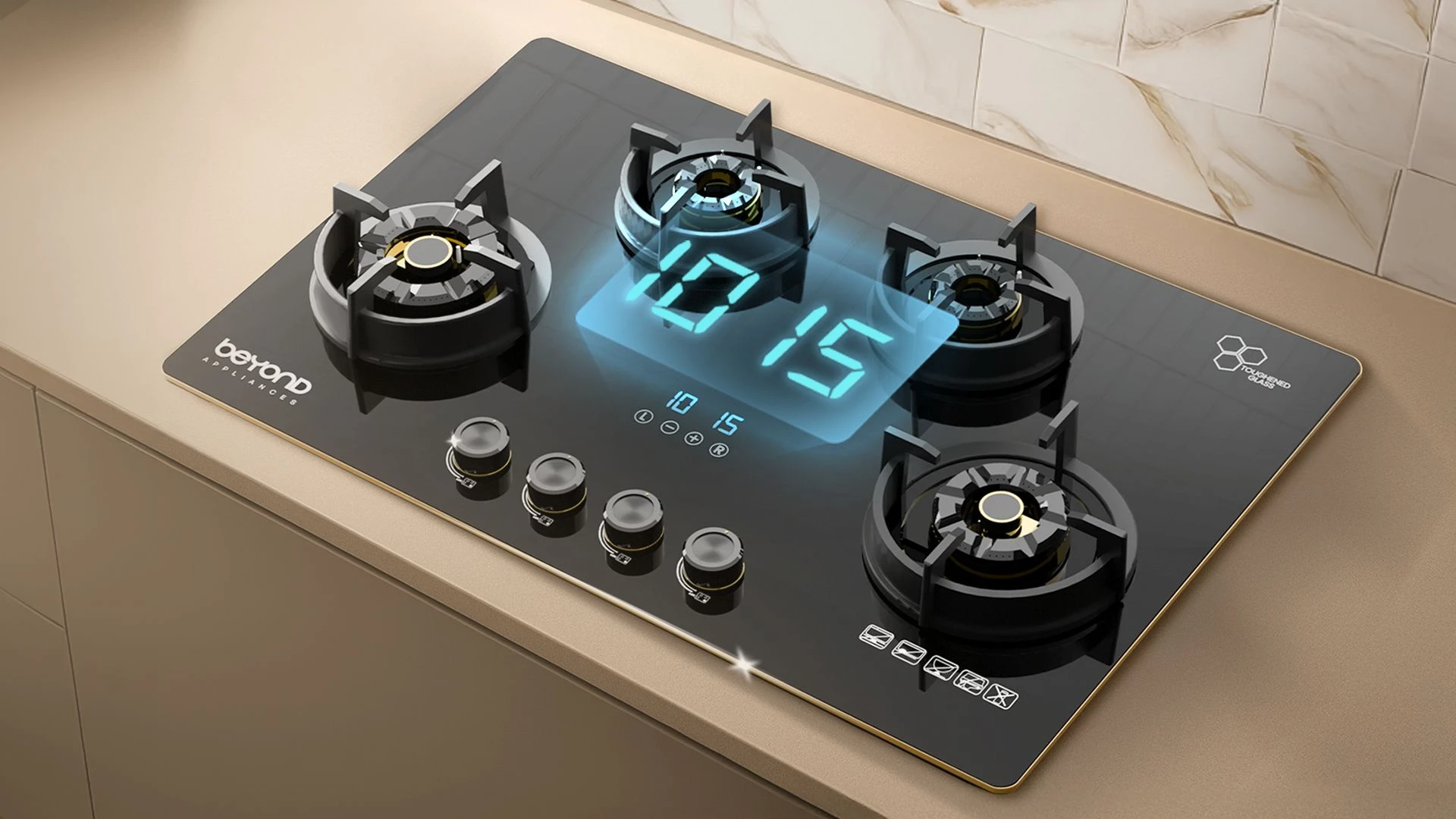
Modern kitchens are evolving beyond traditional cooking spaces into intelligent hubs that anticipate your needs and streamline daily routines. Smart kitchen technology represents a revolutionary shift in how we interact with our cooking environment, offering unprecedented convenience, efficiency, and control. From automated cooking processes to energy-saving features, these connected systems transform ordinary kitchens into sophisticated culinary command centers. Whether you're planning a complete renovation or looking to upgrade existing appliances, understanding the benefits of smart kitchen technology helps you make informed decisions that enhance your cooking experience while adding value to your home.
Smart kitchen technology integrates Internet of Things (IoT) devices, artificial intelligence, and automation systems to create a seamless cooking environment. These connected kitchen solutions communicate with each other through wireless networks, enabling coordinated functionality that responds to your preferences and habits. The foundation of any smart kitchen lies in its ability to collect data through sensors embedded in appliances, countertops, and storage areas. This information feeds into central control systems that learn your cooking patterns, dietary preferences, and usage habits. Over time, these systems become more intuitive, automatically adjusting settings and suggesting optimizations based on your lifestyle.
Modern kitchen automation relies on three essential elements: smart sensors, connectivity protocols, and user interfaces. Sensors monitor temperature, humidity, air quality, and appliance performance. Connectivity protocols like Wi-Fi, Bluetooth, and Zigbee enable device communication. User interfaces, including smartphone apps and voice assistants, provide control and feedback mechanisms.
Traditional kitchen appliances operate independently with manual controls and basic functionality. Smart kitchen appliances feature embedded processors, wireless connectivity, and advanced sensors that enable remote monitoring, automated operation, and predictive maintenance. This evolution represents a fundamental shift from reactive to proactive kitchen management.
The benefits of smart kitchen technology extend far beyond convenience, encompassing energy efficiency, food safety, and enhanced cooking capabilities. These advantages make smart kitchens particularly valuable for busy households seeking to optimize their culinary experiences. Smart kitchen systems reduce cooking time through automated processes and precise temperature control. They minimize food waste by monitoring freshness and suggesting recipes based on available ingredients. Additionally, these technologies provide detailed usage analytics that help homeowners understand and optimize their cooking habits.
Automated cooking processes eliminate guesswork and reduce active monitoring requirements. Smart ovens can adjust cooking times and temperatures based on food type and desired doneness. Connected cooktops maintain precise heat levels for consistent results. These features allow you to multitask while ensuring perfect cooking outcomes.
Smart appliances optimize energy consumption through intelligent scheduling and usage monitoring. They operate during off-peak hours when electricity rates are lower and automatically adjust power consumption based on cooking requirements. Over time, these efficiencies translate into significant utility bill reductions.
Advanced temperature sensors and monitoring systems prevent foodborne illnesses by ensuring proper cooking temperatures and storage conditions. Smart refrigerators track expiration dates and alert you to potentially spoiled items. Some systems even provide nutritional analysis and meal planning assistance based on dietary goals.
Compact kitchen tech solutions maximize functionality while minimizing space requirements, making smart technology accessible for smaller homes and apartments. These appliances combine multiple functions into single units, reducing clutter while expanding capabilities. Modern smart appliances are designed with space efficiency in mind, featuring sleek profiles and multi-functional capabilities. They integrate seamlessly into existing kitchen layouts without requiring major renovations or extensive rewiring.
Smart refrigerators feature internal cameras, inventory tracking, and meal planning capabilities. They monitor food freshness, suggest recipes based on available ingredients, and automatically generate shopping lists. Compact models designed for smaller kitchens offer these features in space-efficient formats.
Smart ovens, cooktops, and multi-cookers provide precise temperature control and automated cooking programs. These appliances can be controlled remotely through smartphone apps, allowing you to start cooking before arriving home. Many models include guided cooking features that provide step-by-step instructions for complex recipes. For Indian cooking enthusiasts, innovative solutions like the PlugnPlay Cube Chimney offer smart ventilation without traditional installation requirements. The Cube installs directly on the wall without the need to break the walls or install the ducting pipe, featuring 10-minute installation with just 2 screws. Its 4-year filter life and active carbon filters absorb smoke, then remove oil, grease, and odour, sending clean, cool, and breathable air back into your kitchen.
Smart coffee makers, blenders, and food processors can be programmed and controlled remotely. These devices often include preset programs for different recipes and can be integrated with voice assistants for hands-free operation. Many compact models combine multiple functions, reducing counter space requirements.
Modern kitchen design principles emphasize clean lines, efficient layouts, and seamless technology integration. Smart kitchen design focuses on creating functional spaces that accommodate technology without overwhelming the aesthetic appeal. Successful smart kitchen design balances functionality with visual appeal, ensuring that technology enhances rather than dominates the space. This approach is particularly important in compact kitchens where every element must serve multiple purposes.
Automated cabinet systems and smart organizers optimize storage efficiency through motorized shelving and inventory tracking. These systems can automatically adjust shelf heights and provide easy access to stored items. Vertical storage solutions with integrated technology make use of often-overlooked wall space.
Wireless charging stations, USB outlets, and under-cabinet smart displays provide convenient access to technology without cluttering countertops. Hidden appliance installations maintain clean sight lines while providing full functionality. The Cube Chimney's 1250 CMH suction with 3-sided vents and multi-directional design ensures effective ventilation without compromising kitchen aesthetics.
Connecting your kitchen to broader home automation systems creates a cohesive smart home experience. This integration enables cross-device communication and coordinated automation that extends beyond the kitchen. Whole-home connectivity allows kitchen appliances to interact with security systems, lighting controls, and climate management. This coordination creates scenarios where arriving home automatically activates kitchen lighting, adjusts temperature, and begins coffee preparation.
Popular smart home platforms like Amazon Alexa, Google Home, and Apple HomeKit offer varying levels of kitchen appliance compatibility. Choosing devices that work with your existing ecosystem ensures seamless integration and unified control. Professional installation may be recommended for complex systems requiring electrical modifications.
Smart kitchen technology offers enhanced efficiency through automation, significant energy savings, improved food safety monitoring, convenient remote control capabilities, and precise cooking assistance that reduces preparation time and improves results.
Smart kitchen technology uses IoT sensors, artificial intelligence, and wireless connectivity to create integrated cooking environments that monitor food conditions, automate appliance functions, learn user preferences, and provide personalized cooking guidance through smartphone apps and voice commands.
Essential compact smart kitchen appliances include multi-functional ovens, smart refrigerators with inventory tracking, connected cooktops, automated coffee makers, intelligent ventilation systems, smart lighting, and space-saving multi-cookers that combine several cooking methods.
Smart kitchen upgrades in India typically range from INR 25,000 for basic smart appliances to INR 5,00,000 for comprehensive smart kitchen renovations, with most homeowners investing INR 1,50,000 to INR 3,00,000 for moderate smart technology integration.
Smart kitchen appliances typically provide return on investment through reduced energy consumption, decreased food waste, improved cooking efficiency, and increased property value, while offering convenience and enhanced cooking capabilities that justify the initial cost.
Smart kitchen technology transforms ordinary cooking spaces into efficient, connected environments that adapt to your lifestyle and preferences. The benefits of smart kitchen technology extend beyond convenience to include energy savings, improved food safety, and enhanced cooking capabilities. Whether you're working with a compact kitchen or planning a complete renovation, smart appliances and automation systems offer scalable solutions that grow with your needs. By understanding the available options and integration possibilities, you can create a modern kitchen that combines cutting-edge technology with practical functionality, making cooking more enjoyable and efficient while adding value to your home.
