

How to Replace Your Kitchen Chimney Filter Easy
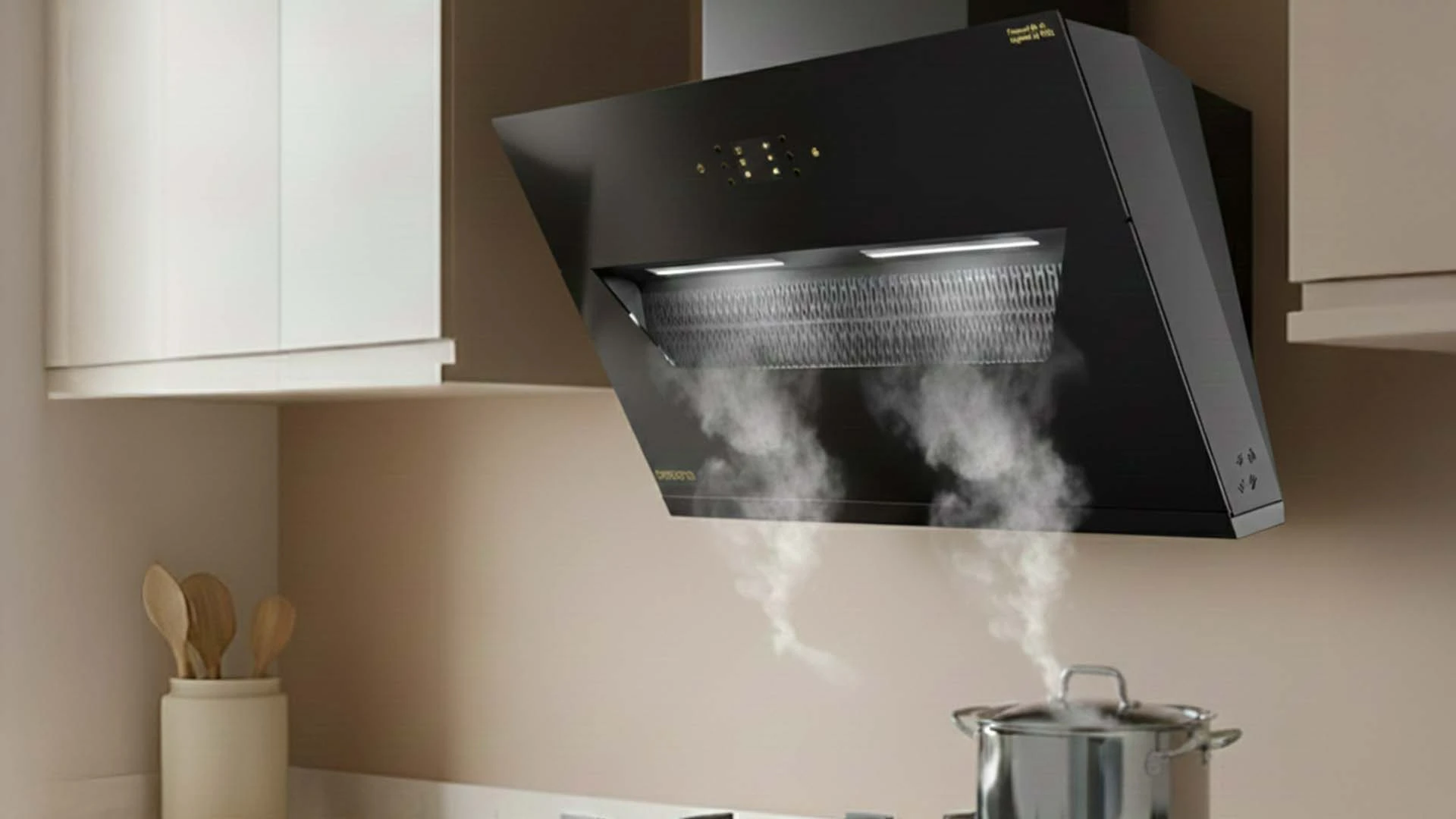
Kitchen chimneys work hard to keep your cooking space fresh and grease-free. But their filters take the biggest hit, trapping oil, smoke, and food particles day after day. When these filters get clogged, your chimney loses power and your kitchen suffers. Learning proper chimney filter replacement keeps your appliance running smoothly and your air clean. This complete guide walks you through every step, from identifying when to replace to installing new filters correctly. Whether you have a traditional design or a modern compact chimney filter system, these techniques work for all types.
Your kitchen chimney filter serves as the first line of defense against cooking byproducts. It captures grease particles, smoke, and odors before they spread through your home. Without proper filtration, these contaminants would coat your kitchen surfaces and create unpleasant smells. The filter also protects your chimney's internal components from damage caused by grease buildup. Different filter types handle various aspects of air cleaning. Some focus on grease removal, while others target odors specifically. Understanding your filter type helps you maintain it properly and know when replacement becomes necessary.
Cassette filters use aluminum mesh to trap grease particles. They're affordable and widely available, making them popular in many homes. These filters need regular replacement because the mesh gets clogged over time. Heavy cooking requires more frequent changes than light use.
Baffle filters feature stainless steel construction with curved panels. They create turbulence that separates grease from air more effectively. These filters last longer and can be cleaned multiple times before replacement. They work well for Indian cooking styles that produce lots of oil and smoke.
Carbon filters contain activated charcoal that absorbs cooking odors. They're essential for ductless range hood filter systems that recirculate air instead of venting outside. These filters cannot be cleaned and must be replaced regularly to maintain effectiveness.
Timing your filter replacement guide correctly saves money and maintains performance. Different filter types have different lifespans, but usage patterns affect all of them. Heavy cooking with lots of oil and spices shortens filter life significantly. Watch for performance changes that signal replacement time. Reduced suction power means your filter is restricting airflow. Persistent cooking smells indicate the filter can no longer capture odors effectively. Visual inspection also reveals when filters have reached their limit.
Cassette filters typically last 3-6 months with heavy use or 6-12 months with moderate cooking. Carbon filters need replacement every 3-6 months regardless of usage because activated charcoal loses effectiveness over time. Baffle filters can last 1-2 years with proper cleaning between uses.
Look for heavy grease accumulation that won't wash off during cleaning. Discoloration and staining indicate the filter has absorbed its maximum capacity. Physical damage like bent mesh or cracked panels means immediate replacement is needed.
Proper preparation makes range hood filter replacement safer and more efficient. Gather all necessary tools before starting to avoid interruptions during the process. Safety should be your top priority when working with electrical appliances. Turn off your chimney and disconnect power at the circuit breaker. Allow the unit to cool completely if you've been cooking recently. Hot surfaces can cause burns, and electrical components pose shock risks.
You'll need basic screwdrivers, safety gloves, and protective eyewear. A sturdy step ladder provides safe access to wall-mounted units. Keep cleaning supplies handy for wiping down surfaces during the process.
Measure your current filter carefully to ensure proper fit. Check your chimney's model number to find compatible replacement parts. Quality filters cost more initially but last longer and perform better than cheap alternatives.
This comprehensive chimney filter replacement guide works for most standard designs. Follow each step carefully to ensure proper installation and optimal performance. Take photos before disassembly to remember correct positioning. Start by removing any decorative panels or covers that block access to the filter compartment. Most filters are held in place by clips, screws, or sliding mechanisms. Handle dirty filters carefully to avoid spreading grease around your kitchen.
Support the filter weight as you release the holding mechanisms. Grease-saturated filters can be heavier than expected. Place old filters directly into disposal bags to prevent dripping on clean surfaces.
Position the new filter exactly as the old one was installed. Ensure all clips or screws are properly secured. Test the fit by gently tugging on the filter before closing up the compartment.
Restore power and test your chimney at different speed settings. Listen for unusual noises that might indicate improper installation. Clean any fingerprints or smudges from visible surfaces before finishing.
Compact chimney filter systems in modern kitchens may have unique replacement procedures. These sleek designs often hide access panels behind decorative elements. Some newer models feature tool-free filter changes for easier maintenance. Advanced chimneys like the Android Chimney Asteria use filterless technology that eliminates traditional replacement needs. These systems use dry heat auto-clean functions to maintain performance without disposable filters. The oil collection tray requires periodic cleaning but doesn't need replacement.
Ductless range hood filter replacement requires attention to airflow direction. Carbon filters must be oriented correctly to ensure proper air circulation. Check that recirculation vents remain unobstructed after installation.
Modern chimney filter systems may include replacement reminders and performance monitoring. Some models alert you when filters need attention through display messages or smartphone apps. These features help maintain optimal performance automatically.
Complete chimney maintenance involves more than just filter changes. Regular cleaning of internal components prevents grease buildup that can affect performance. The motor housing, fan blades, and ductwork all need periodic attention. Range hood maintenance includes checking electrical connections and testing safety features. Inspect the power cord for damage and ensure all controls function properly. Professional service may be needed for complex repairs or deep cleaning.
Grease filter cleaning between replacements can extend their useful life. Wash aluminum mesh filters in hot, soapy water monthly. Baffle filters can go through dishwasher cycles for thorough cleaning.
Create a regular maintenance routine that includes filter inspection, cleaning, and replacement. Keep spare filters on hand to avoid delays when replacement time arrives. Document replacement dates to track filter performance over time.
Replace cassette filters every 3-6 months for heavy cooking or 6-12 months for moderate use. Carbon filters need replacement every 3-6 months regardless of usage frequency. Baffle filters can last 1-2 years with proper cleaning.
Aluminum cassette filters and stainless steel baffle filters can be cleaned multiple times before replacement. Carbon filters cannot be cleaned and must be replaced when saturated. Cleaning extends filter life but doesn't eliminate replacement needs.
Clogged filters reduce suction power and allow grease to reach internal components. This can damage the motor and create fire hazards. Cooking odors will also persist longer in your kitchen.
Check your chimney's user manual or look at the existing filter. Aluminum mesh indicates cassette filters, curved steel panels mean baffle filters, and black material suggests carbon filters. Model numbers help identify compatible replacements.
Operating without filters exposes internal components to grease and debris. This can cause permanent damage and void your warranty. Always install a replacement filter before using your chimney.
Regular chimney filter replacement keeps your kitchen air clean and your appliance running efficiently. Different filter types have varying lifespans, but all need eventual replacement. Proper installation ensures optimal performance and prevents damage to internal components. Modern designs may offer filterless options or smart replacement reminders. Maintaining a regular replacement schedule protects your investment and improves your cooking environment. Quality filters cost more initially but provide better performance and longer life than budget alternatives.
