

How to Plan a Small Kitchen Layout for Maximum Efficiency
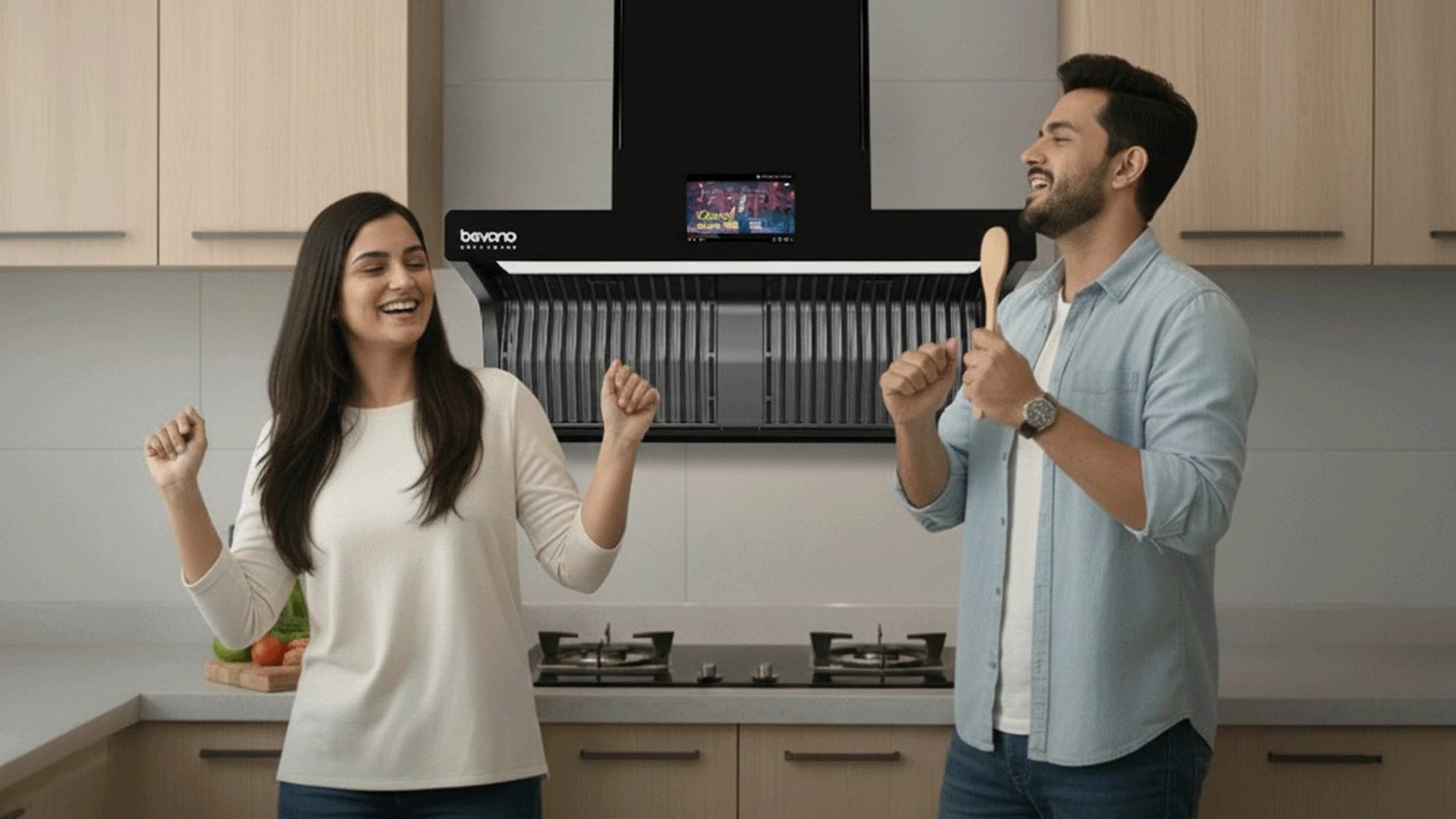
Planning a small kitchen layout requires strategic thinking and smart design choices. Every square inch matters when you're working with limited space. The right layout can transform a cramped cooking area into an efficient, functional workspace that feels larger than its actual footprint. Whether you're renovating an existing kitchen or designing a new one, understanding the fundamentals of small kitchen layout advice will help you create a space that works beautifully for your daily needs.
The foundation of any successful small kitchen design starts with understanding basic layout principles. The golden triangle rule remains crucial, even in compact spaces. This concept connects your sink, stove, and refrigerator in an efficient triangle, with each side measuring between 3 to 6 feet for optimal workflow.
Zone-based planning becomes even more critical in small kitchens. Divide your space into four main zones: preparation, cooking, cleaning, and storage. Each zone should flow naturally into the next, minimizing unnecessary movement during meal preparation.
In compact spaces, traffic flow can make or break your kitchen's functionality. Ensure at least 36 inches of clearance for main walkways and 42 inches if multiple people will use the kitchen simultaneously.
Many homeowners make the mistake of cramming too many elements into their small kitchen. Avoid placing the refrigerator too close to the stove, which creates heat issues and workflow problems.
Choosing the right layout is crucial for maximizing your kitchen's potential. Each layout type offers unique advantages depending on your space constraints and lifestyle needs. Understanding these kitchen layout ideas will help you select the most suitable option for your home.
The galley layout features two parallel counters with a walkway between them. This design works exceptionally well for narrow spaces, typically requiring a minimum width of 7 feet. The galley layout maximizes counter space and storage while maintaining an efficient workflow.
L-shaped kitchens utilize two adjacent walls, creating a natural work triangle. This layout works well in square or rectangular rooms and provides excellent corner storage opportunities when designed properly.
When space allows, U-shaped layouts offer maximum storage and counter space. This design requires at least 8 feet of width to function properly and provides the most efficient workflow for serious cooks.
Perfect for studio apartments and extremely small spaces, one-wall layouts place all appliances and storage along a single wall. This design requires careful planning to maintain functionality within the linear arrangement.
Peninsula layouts add a connected island or counter extension, creating additional workspace and storage. This option works well for open-concept homes where the kitchen flows into living areas.
Vertical space utilization is essential for maximizing small kitchen space. Floor-to-ceiling cabinets provide significantly more storage than standard-height options. Consider extending cabinets all the way to the ceiling, using the top shelves for items you don't access frequently.
Wall-mounted storage systems offer flexible solutions for keeping essentials within reach. Magnetic knife strips, spice racks, and utensil rails free up valuable drawer space while maintaining easy access to cooking tools.
Modern drawer systems with pull-out organizers make every inch of storage accessible. Deep drawers with dividers work better than traditional shelves for storing pots, pans, and small appliances.
Look for unconventional storage spaces like toe-kick drawers beneath base cabinets. These shallow drawers are perfect for storing baking sheets, cutting boards, and other flat items.
Rolling carts and fold-down tables provide additional workspace when needed and can be stored away when not in use. These compact kitchen solutions adapt to your changing needs throughout the day.
Creating the illusion of space is just as important as maximizing actual square footage. Light color palettes reflect more light and make spaces feel larger. White, cream, and light gray cabinets paired with light countertops create an airy, open feeling.
Strategic lighting placement dramatically impacts how spacious your kitchen feels. Layer different types of lighting including under-cabinet LED strips, pendant lights over work areas, and recessed ceiling lights for general illumination.
Open shelving creates visual depth and makes spaces feel larger, but requires careful organization to avoid clutter. Use open shelves for attractive dishes and frequently used items while keeping less attractive necessities in closed storage.
Glass cabinet doors, mirrored backsplashes, and glossy finishes reflect light and create depth. These elements make your kitchen design for small spaces feel more expansive without requiring additional square footage.
Transforming your small kitchen doesn't require a complete renovation. Many kitchen remodeling small projects can be accomplished with strategic updates and smart shopping. Focus on changes that provide the biggest visual and functional impact for your investment.
Paint offers the most dramatic transformation for the least money. Light colors make spaces feel larger, while a fresh coat on cabinets can completely change your kitchen's appearance. Consider painting upper cabinets a lighter shade than lower ones to draw the eye upward.
Adding shelf organizers, drawer dividers, and door-mounted racks improves functionality without major construction. These simple additions can double your effective storage capacity.
New cabinet hardware, faucets, and lighting fixtures modernize your kitchen's appearance. Choose sleek, contemporary designs that don't overwhelm the space.
Tackle improvements in phases to spread costs over time. Start with paint and hardware, then move to lighting and storage solutions, saving major appliance purchases for last.
Modern appliances designed for small spaces offer full functionality in compact footprints. Modern kitchen layouts benefit from space-saving appliances that don't compromise on performance. Combination units like microwave-convection ovens provide multiple cooking methods in a single appliance.
When selecting appliances for your small kitchen, prioritize multi-functional options. A quality chimney or hood system is essential for removing cooking odors and grease from your compact space. Consider slant or inclined chimneys that fit under low ceilings while providing excellent ventilation.
Integrated appliances create a seamless look and often fit better in tight spaces. Built-in refrigerators, dishwashers, and even compact cooktops can be customized to match your cabinetry.
Appliance garages keep countertops clear while maintaining easy access to frequently used items. Roll-out shelves in lower cabinets make heavy appliances easier to access and store.
Plan electrical outlets strategically to avoid extension cords cluttering your workspace. Consider adding outlets inside cabinets for small appliances that can be stored away when not in use.
The galley layout typically works best for very small kitchens, while L-shaped layouts offer more flexibility in slightly larger spaces. The best choice depends on your room's dimensions and your cooking habits.
Focus on the work triangle principle, maximize vertical storage, and choose multi-functional elements. Keep frequently used items within easy reach and store occasional-use items in higher or lower cabinets.
The kitchen triangle rule suggests keeping the distance between sink, stove, and refrigerator between 3-6 feet each. In small kitchens, aim for the shorter end of this range to maximize efficiency.
Use light colors, add under-cabinet lighting, choose glass cabinet doors, and minimize visual clutter. Reflective surfaces and good lighting create the illusion of more space.
Common mistakes include inadequate lighting, too much clutter, poor traffic flow, and choosing oversized appliances. Avoid dark colors and closed-off layouts that make spaces feel cramped.
Costs vary widely based on scope and finishes. A basic refresh with paint and hardware might cost INR 50,000-1,00,000, while a complete renovation could range from INR 2,00,000-8,00,000 depending on appliances and materials chosen.
Planning an efficient small kitchen layout requires balancing functionality with visual appeal. Focus on the fundamentals of good design while incorporating space-saving solutions that work for your specific needs. Remember that small kitchen organization and smart storage solutions can make even the tiniest kitchen feel spacious and functional.
The key to success lies in careful planning, strategic appliance selection, and maximizing every available inch of space. With thoughtful design choices and the right layout, your small kitchen can become the heart of your home, proving that size doesn't determine functionality or style.
