

How to Optimize Stove and Fridge Placement Safely
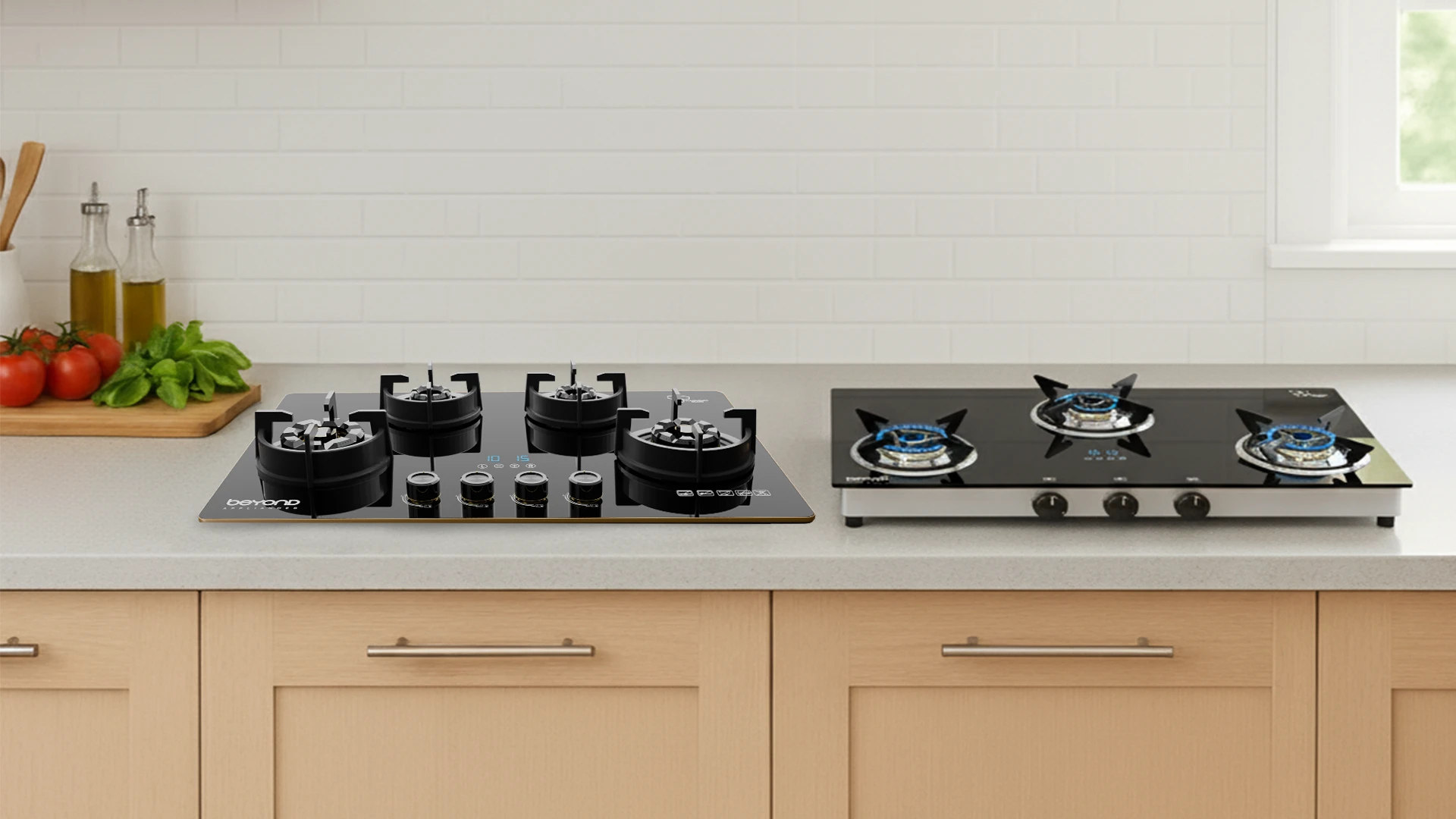
Planning your kitchen layout requires careful consideration of appliance placement for both safety and efficiency. The question of whether a stove should be placed near a refrigerator is more complex than it appears. Proper appliance proximity affects energy consumption, safety, and the longevity of your kitchen equipment. Understanding the principles of kitchen design helps create a functional cooking area layout that serves your family's needs while maintaining optimal performance from your appliances. Modern kitchen layout planning involves balancing space constraints with safety requirements to achieve the best possible cooking environment.
Appliance placement in your kitchen directly impacts both safety and efficiency. Heat generated from cooking surfaces can significantly affect nearby refrigeration units, forcing them to work harder to maintain proper temperatures. This increased workload leads to higher energy consumption and potential premature wear of refrigerator components. Fire safety considerations play a crucial role in cooking area layout decisions. Proper spacing between heat-generating appliances and other kitchen equipment reduces fire risks and ensures adequate ventilation. Building codes typically specify minimum distances between appliances to maintain safety standards in residential kitchens.
Cooking generates substantial heat that radiates outward from stoves and cooktops. When refrigerators operate in elevated ambient temperatures, their compressors must work overtime to maintain internal cooling. This increased energy consumption can raise utility bills and reduce appliance lifespan significantly.
Industry experts recommend maintaining a minimum distance of 24 to 36 inches between stoves and refrigerators. This spacing allows adequate air circulation and prevents heat transfer that could compromise refrigerator efficiency. The exact distance depends on your specific appliances, kitchen size, and ventilation capabilities. Compact kitchen design situations may require creative solutions when standard spacing isn't possible. In these cases, heat barriers, improved ventilation, and strategic cabinet placement can help mitigate the effects of closer appliance proximity. Professional kitchen designers often recommend counter space or storage units between major appliances to create natural separation.
Accurate measurements form the foundation of successful kitchen layout planning. Use a measuring tape to determine available wall space, accounting for door swings, cabinet depths, and existing plumbing or electrical connections. Consider traffic flow patterns and workspace requirements when finalizing appliance positions.
Different kitchen shapes require unique approaches to appliance placement. Understanding your kitchen's configuration helps determine the best strategy for positioning your stove and refrigerator safely and efficiently. Galley kitchens present specific challenges due to their linear nature, while L-shaped and U-shaped layouts offer more flexibility for appliance positioning. Each configuration has advantages and limitations that affect optimal appliance proximity decisions.
Linear kitchen layouts require careful planning to maintain adequate spacing between appliances. Position the refrigerator at one end and the cooking area at the opposite end when possible. This arrangement maximizes distance while maintaining workflow efficiency.
These configurations allow for better appliance separation by utilizing corner spaces effectively. Place the refrigerator on one leg of the L or U, with cooking appliances positioned on adjacent walls. This arrangement creates natural workflow zones while maintaining safe distances.
Small kitchens require innovative solutions for appliance placement. Consider vertical storage, multi-functional areas, and space-saving appliances to maximize functionality. Heat shields and enhanced ventilation become essential in compact layouts where standard spacing isn't achievable.
When optimal spacing isn't possible, heat management becomes critical for kitchen safety and appliance performance. Installing heat shields between appliances creates a barrier that prevents heat transfer and protects sensitive refrigeration components. Proper ventilation systems help dissipate cooking heat before it affects nearby appliances. Range hoods, exhaust fans, and adequate air circulation prevent heat buildup that could compromise refrigerator efficiency. Modern kitchen layout planning incorporates these ventilation requirements from the design phase.
Contemporary appliances often include features that minimize heat output and improve energy efficiency. Induction cooktops generate less ambient heat than traditional gas or electric burners. Energy-efficient refrigerators with improved insulation perform better in challenging placement situations.
Many homeowners unknowingly create problematic appliance arrangements that compromise safety and efficiency. Placing refrigerators directly adjacent to stoves without adequate separation is a frequent mistake that leads to increased energy costs and potential appliance damage. Ignoring manufacturer spacing recommendations can void warranties and create safety hazards. Each appliance comes with specific installation requirements that should guide your kitchen design decisions. Poor traffic flow planning can also create inefficient cooking area layouts that hinder daily kitchen activities.
Existing kitchens with poor appliance placement can often be improved through strategic modifications. Adding heat shields, improving ventilation, or relocating smaller appliances can address many proximity issues without complete renovation.
Working with certified kitchen designers ensures your appliance placement meets safety codes and efficiency standards. Professional designers understand building requirements, ventilation needs, and optimal workflow patterns for modern kitchen layouts. Consider future needs when planning appliance placement. Family size changes, cooking habits, and appliance upgrades should influence your kitchen design decisions. Proper planning creates flexible spaces that adapt to changing requirements over time.
Kitchen improvements don't always require complete renovations. Phased approaches allow gradual improvements while spreading costs over time. Focus on safety-critical modifications first, then address efficiency and aesthetic improvements as budget allows.
Small kitchens may require closer appliance placement, but maintain at least 24 inches separation when possible. Use heat shields and improved ventilation to mitigate proximity effects.
Close proximity forces refrigerators to work harder, increasing energy consumption and potentially shortening appliance lifespan. Heat damage to refrigerator components is also possible.
Install heat barriers, improve ventilation, or add counter space between appliances. Professional assessment can identify the most effective modifications for your specific situation.
Maintain 24 to 36 inches minimum distance between these appliances. Greater separation is better when space allows, especially in kitchens with limited ventilation.
Proper appliance placement significantly impacts kitchen safety, energy efficiency, and appliance longevity. While stoves should not be placed directly next to refrigerators, thoughtful planning can accommodate various space constraints while maintaining safety standards. Focus on adequate spacing, proper ventilation, and heat management to create an optimal cooking environment. Professional guidance ensures your kitchen layout meets current codes and serves your family's needs effectively for years to come.
