

How to Measure Perfect Cooktop Chimney Clearance
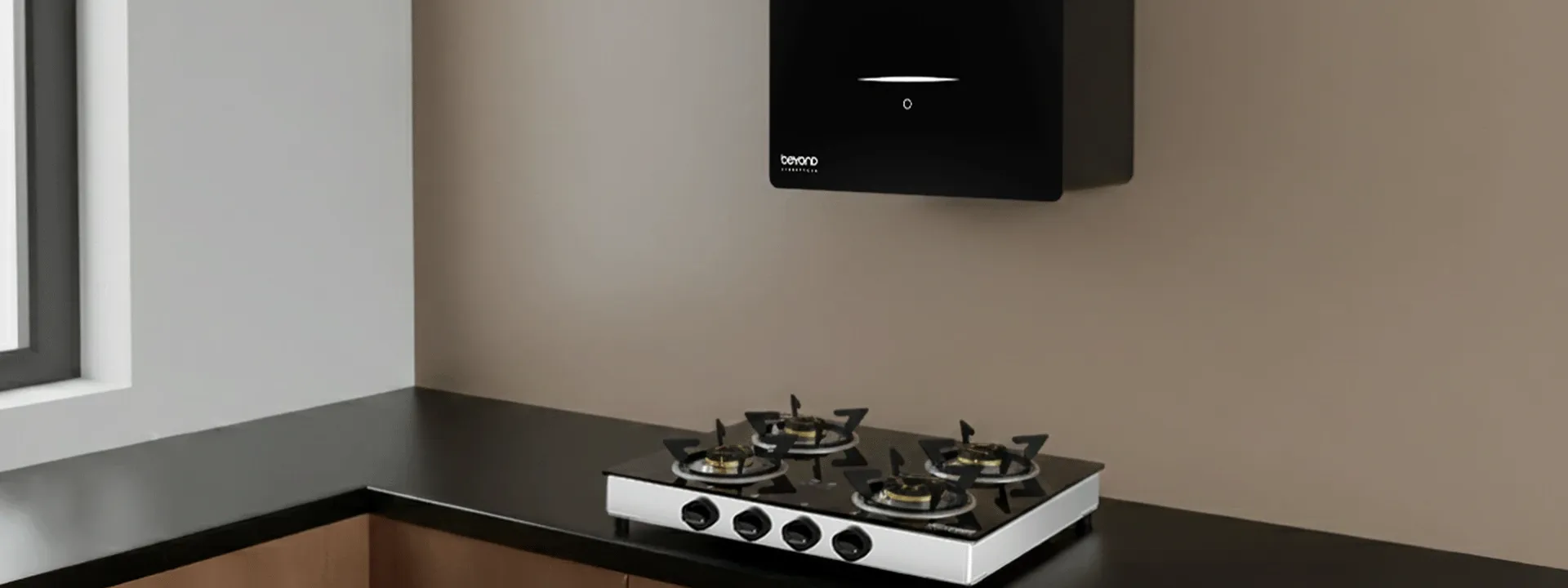
Getting the right distance between your cooktop and chimney is crucial for both safety and performance. Many homeowners struggle with proper ventilation hood placement, leading to poor air quality, safety hazards, and reduced cooking comfort. Understanding cooktop and chimney distance guidelines ensures your kitchen ventilation system works efficiently while meeting safety standards. Whether you're installing a new chimney or replacing an existing one, precise measurements make all the difference in creating a functional, safe cooking environment.
Proper cooktop chimney clearance forms the foundation of safe kitchen ventilation. These requirements aren't just suggestions—they're essential safety measures that protect your home and family. The right clearance ensures optimal performance while preventing fire hazards and maintaining code compliance.
Different cooktop types require specific clearance measurements. Gas cooktops need 24-30 inches minimum clearance due to open flame heat production. Electric and induction cooktops require 20-24 inches minimum since they generate less direct heat. High-BTU commercial-style ranges demand 30-36 inches clearance because of their intense heat output.
Local building codes often specify minimum clearances that may exceed manufacturer recommendations. Always check your area's requirements before installation. Fire safety clearances protect against heat damage and potential fires. Manufacturer specifications should always override general guidelines when they require greater distances.
Accurate measurement prevents costly installation mistakes and ensures proper ventilation performance. Following a systematic approach guarantees your chimney will function effectively and safely. Professional-grade measurement techniques help achieve perfect results every time.
Gather these essential tools before starting: • Measuring tape (minimum 25 feet) • Level for accurate horizontal alignment • Stud finder for secure mounting • Pencil for marking reference points • Safety glasses and gloves
Start by locating your cooktop's center point for accurate reference. Mark the wall mounting height based on your chimney type and clearance requirements. Account for the hood's depth and how far it projects over the cooktop. Verify clearance from combustible materials like cabinets or shelving. Double-check all measurements against manufacturer specifications before proceeding.
Several factors influence optimal chimney height beyond basic clearance requirements. Understanding these variables helps you make informed decisions about ventilation hood placement. Proper consideration of these factors ensures long-term satisfaction with your installation.
Ceiling height often limits chimney placement options, especially in compact kitchen ventilation scenarios. Cabinet placement affects both clearance measurements and visual proportions. Island installations require different approaches than wall-mounted units. Compact kitchens may need creative solutions to achieve proper clearance.
CFM ratings directly relate to required clearance distances for optimal performance. Proper clearance maximizes capture efficiency while minimizing energy consumption. Consider noise levels when determining final height placement. Energy efficiency improves with correct chimney positioning.
Installation errors can compromise safety and performance while creating expensive problems later. Learning from common mistakes helps ensure successful installation from the start. Prevention costs far less than correction after installation.
Insufficient clearance leads to dangerous grease buildup and potential fire hazards. Reduced ventilation effectiveness allows smoke and odors to escape capture. Heat damage to hood components shortens equipment lifespan significantly. Code violations can result in fines and insurance complications.
Too much distance reduces smoke and odor capture efficiency dramatically. Increased energy consumption results from poor capture performance. Aesthetic proportion issues make kitchens look unbalanced and poorly designed. Reduced cooking comfort affects daily kitchen use enjoyment.
Deciding between professional installation and DIY depends on several factors including complexity and local requirements. Understanding when to hire professionals protects your investment and ensures safety. Some installations require expertise that goes beyond basic handyman skills.
Complex ductwork modifications require specialized knowledge and tools. Electrical connections must meet local codes and safety standards. Structural modifications need engineering expertise to maintain building integrity. Permit and inspection requirements often mandate professional installation.
Simple replacement installations with existing mounting points work well for DIY projects. Basic measurement and marking require only standard tools and careful attention. Standard wall-mounted units with clear instructions suit experienced DIYers. Straightforward installations without electrical or structural changes are manageable.
Different kitchen layouts require adapted approaches to chimney placement and clearance. Modern kitchen designs often present unique challenges that need creative solutions. Understanding design-specific requirements helps achieve both function and aesthetics.
Space-saving hood options maximize functionality in limited spaces. Multi-functional ventilation systems combine storage with air cleaning capabilities. Minimum clearance strategies help achieve safety in tight quarters. Aesthetic integration maintains visual flow in small kitchens.
Ceiling-mounted hoods require additional structural support and planning. Extended ductwork considerations affect both performance and installation complexity. Structural support needs must be evaluated by professionals. Design coordination ensures the hood complements overall kitchen aesthetics.
Proper clearance supports long-term ventilation system performance and safety. Regular maintenance becomes easier with correctly positioned equipment. Understanding performance indicators helps identify potential issues early.
Monthly visual checks help identify grease buildup or damage early. Annual professional assessments ensure continued safe operation. Watch for signs of inadequate ventilation like persistent odors or visible smoke escape. Performance degradation indicators include increased noise or reduced suction.
Filter maintenance schedules depend partly on clearance and usage patterns. Ductwork cleaning requirements vary based on installation quality and clearance. Performance testing methods help verify continued effectiveness. Consider upgrades when clearance allows for improved equipment.
The minimum distance is typically 24-30 inches for gas cooktops, but always check your specific hood manufacturer's requirements and local building codes for exact specifications.
No, you should never install below manufacturer minimums. Consider alternative ventilation solutions like downdraft systems or compact hoods specifically designed for low ceiling applications.
Measure from the cooking surface to the lowest point of the hood that extends over the cooktop area. This ensures adequate clearance at the closest point.
Yes, electric and induction cooktops typically require 20-24 inches minimum clearance, which is slightly less than gas cooktops due to lower heat generation.
Excessive height reduces capture efficiency, allowing smoke, odors, and grease to escape into your kitchen and home, defeating the purpose of ventilation.
Proper cooktop and chimney distance guidelines ensure safe, efficient kitchen ventilation that protects your home and enhances cooking comfort. Following manufacturer specifications and local building codes prevents safety hazards while optimizing performance. Whether installing Android Chimneys, T-Shaped Chimneys, or any other ventilation system, precise measurement and proper clearance form the foundation of successful installation. Remember that professional installation often provides the best results for complex installations, while simple replacements may suit DIY approaches. Regular maintenance and inspection help maintain optimal performance throughout your chimney's lifespan.
