

How to Maximize Ductless Chimney Effectiveness
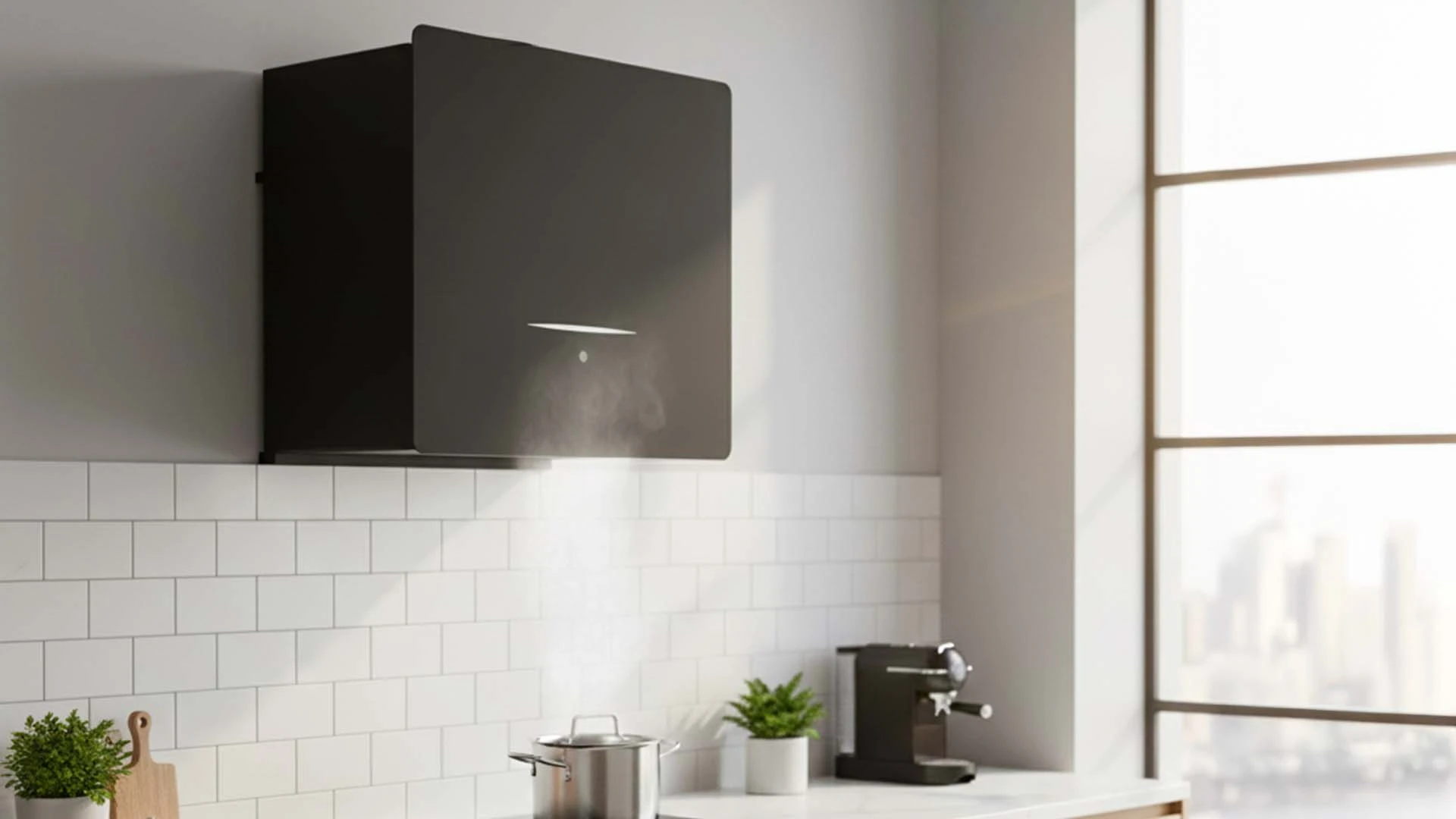
Modern kitchens demand smart ventilation solutions that work efficiently without compromising on space or design. Ductless chimney effectiveness has become a crucial consideration for homeowners seeking optimal air quality in compact spaces. Unlike traditional vented systems, these innovative appliances offer flexibility and performance that adapts to contemporary cooking needs. Understanding how to maximize their potential ensures cleaner air, reduced odors, and a more pleasant cooking environment for your family.
Ductless chimneys represent a significant advancement in kitchen ventilation technology. These systems work by drawing air through multiple filtration stages before recirculating clean air back into your kitchen space. The process involves capturing grease particles, neutralizing odors, and removing airborne contaminants through sophisticated filter mechanisms.
A recirculating range hood operates differently from conventional ducted systems. Instead of expelling air outside, it pulls contaminated air through charcoal and grease filters, then releases purified air back into the room. This process requires powerful motors and efficient filtration to achieve optimal results. The multi-stage approach ensures that both visible particles and invisible odors are effectively managed.
Effective duct free ventilation depends on several measurable factors. CFM (cubic feet per minute) ratings should match your kitchen size - typically 100 CFM per linear foot of cooktop. Noise levels below 3 sones ensure comfortable operation, while energy-efficient motors reduce operational costs. Modern systems like the Android Chimney Asteria deliver 1408 CMH suction power, specifically designed for Indian cooking requirements.
Proper installation and sizing form the foundation of superior ductless chimney effectiveness. Strategic placement ensures optimal capture of cooking vapors while maintaining safety standards. The relationship between your cooktop, kitchen layout, and chimney specifications directly impacts performance outcomes.
Position your ventless hood 24-30 inches above gas cooktops and 20-24 inches above electric surfaces. Width should extend at least 3 inches beyond each side of your cooking area for complete coverage. Proper clearance prevents heat damage while ensuring maximum vapor capture efficiency.
Calculate your kitchen volume by multiplying length, width, and height, then divide by 4 to determine minimum CFM requirements. Consider your cooking habits - frequent frying or spice-heavy preparations need higher capacity systems. The Android Chimney Asteria offers both 60cm and 90cm variations to accommodate different kitchen sizes and cooking needs.
Filter management directly impacts indoor air quality kitchen performance. Understanding different filter types and their maintenance requirements ensures consistent effectiveness over time. Quality filtration systems remove up to 95% of cooking odors and grease particles when properly maintained.
Charcoal filters neutralize odors through activated carbon absorption, requiring replacement every 3-6 months depending on usage. Grease filters capture oil particles and need regular cleaning to maintain airflow. Some advanced systems feature filterless designs with dry heat auto-clean technology that melts accumulated particles for easy removal.
Implement pre-filtering strategies by using lids while cooking and managing heat levels appropriately. Clean grease filters every 2-4 weeks using warm soapy water or dishwasher cycles. Monitor filter condition regularly - reduced suction or persistent odors indicate replacement needs. The Android Chimney Asteria's filterless design eliminates ongoing filter costs while maintaining superior performance.
Maximizing compact kitchen ventilation requires combining your ductless system with complementary airflow strategies. Coordinated ventilation approaches enhance overall air quality while reducing the workload on your primary system. Strategic timing and cooking modifications further improve results.
Coordinate window placement to create cross-ventilation when weather permits. Position ceiling fans to assist air circulation without interfering with chimney operation. Natural airflow enhancement through strategic door and window management supports your ductless system's effectiveness.
Manage heat levels to reduce excessive vapor production. Start ventilation before cooking begins and continue running for 10-15 minutes after completion. Use appropriate cookware sizes and avoid overcrowding burners to minimize smoke generation. These practices significantly improve ductless chimney effectiveness.
Contemporary modern kitchen design emphasizes clean lines and seamless integration. Ductless systems offer superior flexibility for achieving aesthetic goals while maintaining functional excellence. These chimney alternatives adapt to various design themes without compromising performance.
Choose sleek profiles that complement your kitchen's visual flow. Coordinate finishes with existing appliances for cohesive appearance. The Android Chimney Asteria features a continuum display that resists oil and grease buildup while maintaining its attractive appearance. Hidden installation options create minimalist looks without sacrificing functionality.
Ductless systems offer installation flexibility in apartments and homes without external venting options. They provide cost-effective solutions with lower installation complexity. Space-saving benefits make them ideal for compact kitchens where traditional ducting isn't feasible. Performance differences are minimal when systems are properly sized and maintained.
Regular maintenance ensures sustained ductless chimney effectiveness throughout your appliance's lifespan. Establishing consistent care routines prevents performance degradation and extends equipment life. Professional servicing complements home maintenance for optimal results.
Daily tasks include wiping exterior surfaces and checking for unusual noises. Weekly cleaning involves grease filter maintenance and interior surface cleaning. Monthly inspections should cover motor performance and overall system functionality. The Android Chimney Asteria's dry heat auto-clean feature simplifies maintenance by automatically cleaning internal components.
Reduced suction often indicates filter saturation or motor issues requiring professional attention. Unusual noises may signal loose components or motor problems. Persistent odors despite clean filters suggest charcoal filter replacement needs or inadequate system capacity for cooking habits.
Ductless range hoods achieve 70-80% effectiveness compared to ducted systems when properly maintained, making them excellent chimney alternatives for apartments and homes without external venting options.
Charcoal filters should be replaced every 3-6 months depending on cooking frequency, while grease filters require cleaning every 2-4 weeks for optimal ductless chimney effectiveness.
Yes, properly sized recirculating range hood systems with quality filters significantly improve indoor air quality kitchen environments by removing grease, odors, and airborne particles.
Combine a properly sized ductless range hood with strategic window ventilation, maintain clean filters, and use appropriate cooking techniques to maximize small kitchen ventilation effectiveness.
Modern ductless systems offer automatic speed adjustment, filter replacement indicators, and smartphone controls that optimize performance. The Android Chimney Asteria includes an infotainment screen with OTT apps, dual speakers, and kitchen companion features for enhanced functionality.
Maximizing ductless chimney effectiveness requires understanding proper installation, filter management, and maintenance practices. Strategic placement, appropriate sizing, and regular care ensure optimal performance for years. Modern systems like the Android Chimney Asteria combine powerful suction with smart features, making them ideal solutions for contemporary kitchens. By implementing these strategies, you'll achieve superior air quality while enjoying the flexibility and convenience that ductless systems provide.
