

How to Maximize Cube Chimney Airflow Efficiency
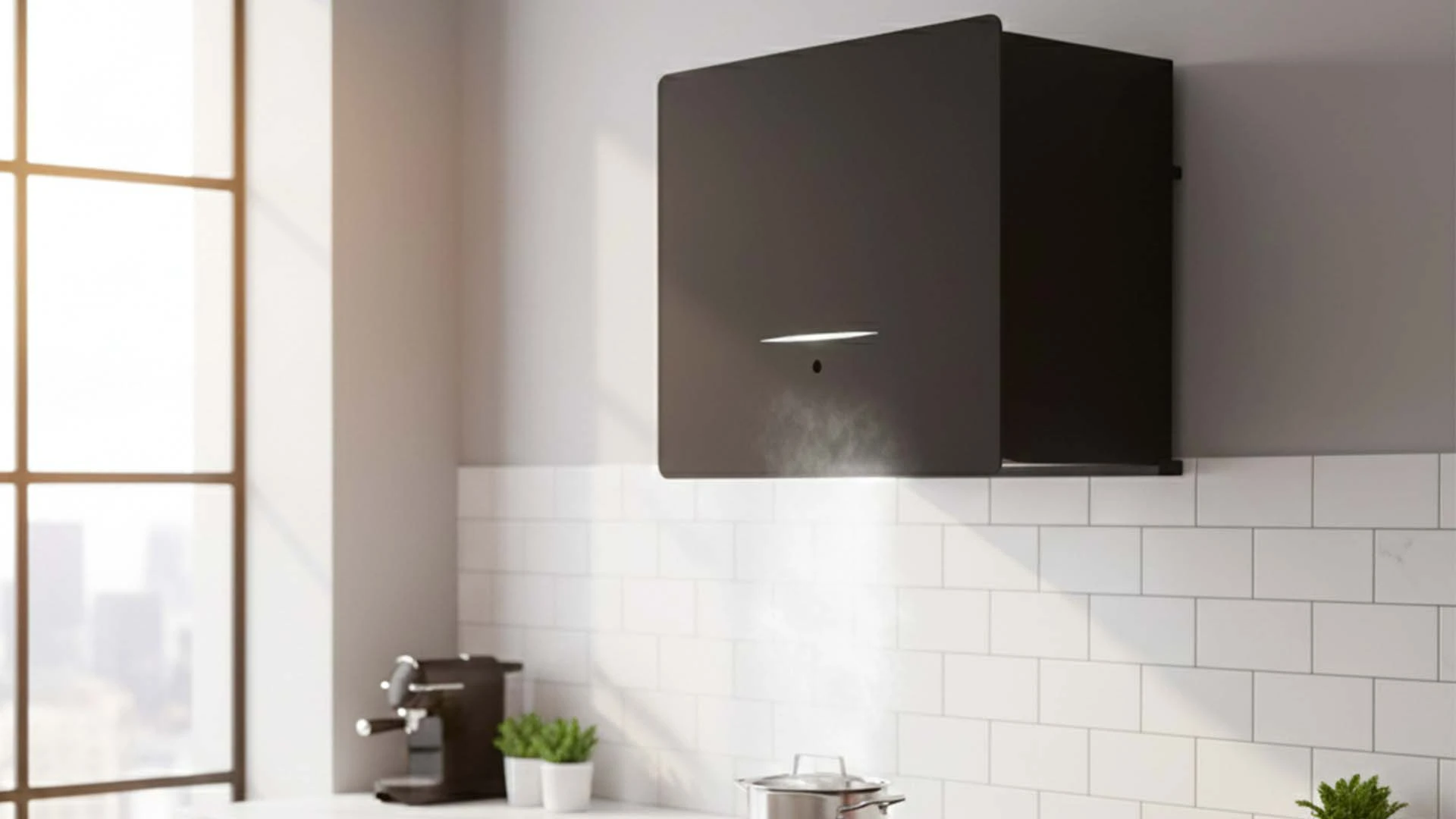
Cube chimneys have transformed modern kitchen ventilation with their compact design and powerful airflow capabilities. These space-efficient units combine contemporary aesthetics with advanced engineering to deliver superior performance in today's homes. Understanding how to maximize their airflow efficiency can dramatically improve your cooking experience while maintaining optimal air quality. The key lies in selecting the right specifications, proper installation, and regular maintenance practices that ensure peak performance for years to come.
The best cube chimney airflow depends on understanding the unique engineering principles behind these compact units. Unlike traditional designs, cube chimneys utilize advanced aerodynamic principles to maximize suction power within a smaller footprint. Their geometric design creates optimal air circulation patterns that efficiently capture smoke, grease, and odors from your cooking surface.
The cube chimney design offers distinct advantages over conventional models. The compact structure creates concentrated airflow patterns that enhance suction efficiency. This geometric approach allows for better air circulation in smaller spaces while maintaining powerful ventilation capabilities.
Modern chimney airflow systems integrate multiple components working together. The motor generates suction power ranging from 700 to 1500 m³/h, while advanced filtration systems ensure clean air circulation. These components must work harmoniously to achieve optimal chimney ventilation performance.
Achieving the best chimney draft requires careful consideration of several critical factors. Your kitchen size, cooking habits, and installation requirements all influence the optimal airflow specifications. Understanding these elements helps you select the right cube chimney for maximum efficiency.
For small kitchens up to 150 square feet, a suction power of 700-1200 m³/h provides adequate ventilation. Larger kitchens exceeding 200 square feet require 1300-1500 m³/h for effective smoke and odor removal. Consider your cooking frequency when determining the ideal power rating.
Advanced baffle filters combined with activated charcoal create the most efficient chimney operation. These multi-stage systems capture grease particles while neutralizing odors, maintaining consistent airflow throughout extended use. Regular filter maintenance ensures sustained performance levels.
The best cube chimneys operate at 48dB or lower, balancing powerful suction with quiet operation. This noise level allows comfortable conversation while cooking, making your kitchen a more pleasant environment for family gatherings and meal preparation.
Proper installation directly impacts your chimney's airflow performance and long-term efficiency. The positioning, mounting height, and ductwork configuration all influence how effectively your unit captures cooking emissions. Following manufacturer guidelines ensures optimal operation from day one.
Ductless cube chimneys offer plug-and-play convenience with excellent airflow performance. These units recirculate filtered air back into the kitchen, eliminating the need for external ductwork. The 3-way suction design captures emissions from multiple angles for comprehensive coverage.
Mount your cube chimney 24-30 inches above the cooking surface for optimal capture efficiency. Ensure adequate wall clearance as specified in the installation manual. This positioning creates the ideal airflow pattern for maximum smoke and odor removal.
Modern fireplace airflow principles apply to kitchen chimneys, where advanced features significantly improve performance. Auto-clean technology, smart controls, and LED lighting systems work together to create a superior ventilation experience. These features also simplify maintenance while extending the unit's operational life.
Auto-clean systems maintain consistent airflow by preventing grease buildup on internal components. The thermal cleaning process eliminates oil deposits that can reduce suction efficiency over time. This technology ensures your compact chimney maintains peak performance with minimal manual intervention.
Variable speed controls allow precise airflow adjustment based on cooking intensity. LED lighting systems provide excellent visibility while consuming minimal energy. Timer functions automatically adjust ventilation cycles for optimal air quality management throughout your cooking session.
Even the most advanced cube chimneys may experience reduced airflow over time. Identifying performance issues early prevents minor problems from becoming major repairs. Regular monitoring of suction power, noise levels, and filter condition helps maintain optimal operation.
Reduced suction power often manifests as lingering cooking odors or visible smoke accumulation. Increased noise levels may indicate motor strain or filter blockage. Monitor these signs to address airflow issues before they impact your kitchen's air quality.
Clean baffle filters monthly and replace charcoal filters every 3-6 months depending on usage. Empty oil collectors regularly to prevent overflow and maintain optimal airflow paths. Professional servicing annually ensures all components function at peak efficiency.
The small chimney design of cube units offers significant advantages over traditional models. Space efficiency, installation flexibility, and maintenance accessibility make cube chimneys ideal for modern kitchens. Understanding these differences helps you make an informed decision for your home.
Cube chimneys deliver comparable airflow performance to larger traditional units while occupying significantly less space. The concentrated design creates focused suction patterns that effectively capture cooking emissions. This efficiency makes them perfect for compact kitchen layouts.
While initial investment varies, cube chimneys offer excellent long-term value through energy efficiency and reduced maintenance costs. Their compact design simplifies installation, potentially reducing setup expenses. Consider total ownership costs when evaluating different chimney options.
For most home kitchens, 1200-1500 m³/h provides excellent performance. Smaller kitchens can use 700-1000 m³/h units effectively. Choose based on your kitchen size and cooking frequency for optimal results.
Clean baffle filters monthly and replace charcoal filters every 3-6 months. Heavy cooking requires more frequent maintenance. Regular cleaning maintains peak airflow efficiency and extends component life.
Yes, most cube chimneys feature ductless operation with recirculation technology. These units filter and return clean air to the kitchen. This design eliminates complex ductwork installation requirements.
Quality cube chimneys operate at 48dB or lower on standard settings. Higher speeds may increase noise slightly but should remain comfortable for normal kitchen activities. Excessive noise indicates potential maintenance needs.
Maximizing cube chimney airflow efficiency requires proper sizing, installation, and maintenance practices. Select appropriate suction power based on your kitchen size and cooking habits. Regular filter cleaning and professional servicing ensure sustained performance. Advanced features like auto-clean technology and variable speed controls enhance both efficiency and convenience. With proper care, your cube chimney will provide years of reliable, efficient ventilation for your modern kitchen.
