

How to Maximize Advantages of Hobtop Cooking in Your Kitchen
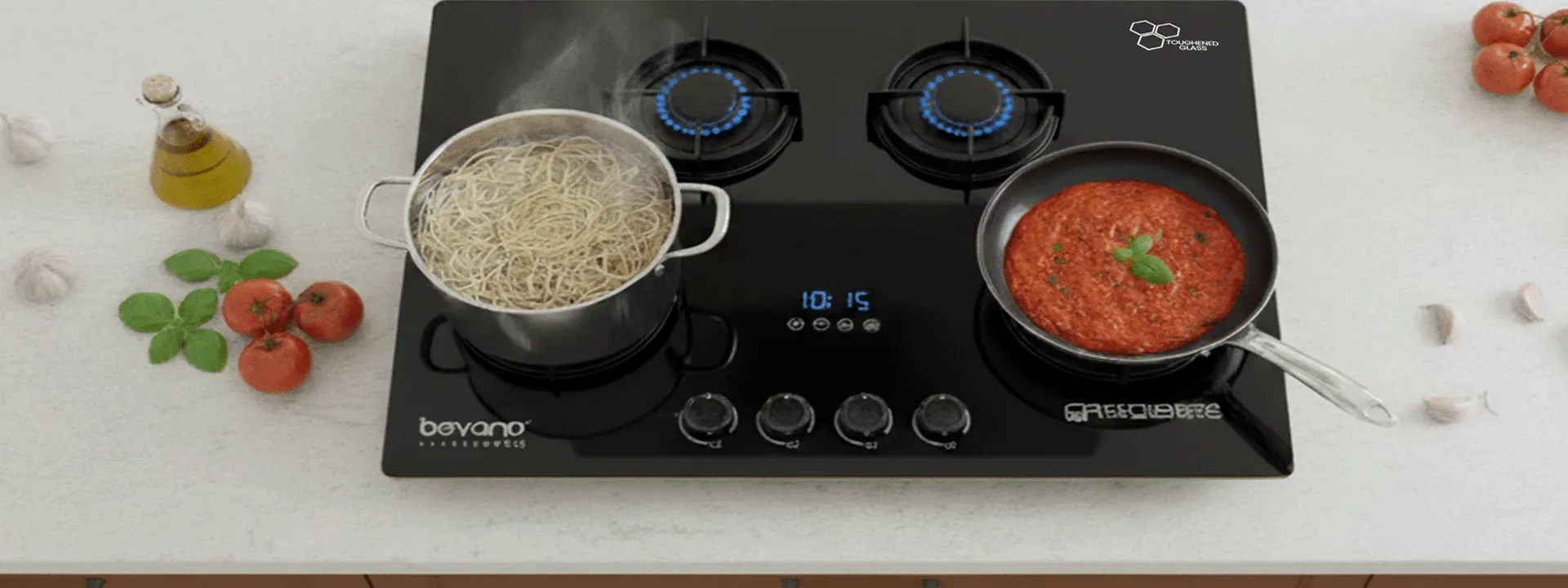
Modern kitchens are evolving rapidly, and hobtops have become the centerpiece of this transformation. Unlike traditional standalone stoves, hobtops offer a sleek, integrated cooking solution that maximizes both functionality and aesthetics. Whether you're renovating your kitchen or building a new home, understanding the advantages of hobtop cooking can help you make an informed decision that enhances your culinary experience while optimizing your kitchen space.
Hobtop cooking represents a significant shift from conventional cooking methods. These built-in cooking surfaces integrate seamlessly into your kitchen countertop, creating a streamlined appearance that defines modern kitchen design. The types of hobs available today include induction, gas, and electric ceramic models, each offering unique benefits for different cooking styles.
Traditional standalone stoves occupy considerable floor space and often clash with contemporary kitchen aesthetics. Modern kitchen cooktops solve this problem by embedding directly into countertops, creating uninterrupted workspace and visual flow.
Built-in hobtops offer permanent installation with higher power outputs and advanced features. Portable cooktops provide flexibility for smaller spaces, rental properties, or outdoor cooking needs.
The hobtop benefits extend far beyond mere aesthetics. These cooking surfaces deliver tangible improvements in efficiency, safety, and convenience that transform your daily cooking experience.
Induction hobtops achieve up to 70% energy efficiency compared to gas stoves. This translates to faster cooking times and significantly lower utility bills over time.
Compact kitchen cooking becomes effortless with hobtops. The sleek design maximizes counter space while maintaining full cooking functionality, perfect for urban apartments and modern layouts.
Modern hobtops eliminate open flames and reduce fire hazards. Features like automatic shut-off, child safety locks, and cool-to-touch surfaces provide peace of mind for families.
Precise temperature control allows for professional-level cooking results. Instant heat adjustment and consistent temperature maintenance give you complete control over your culinary creations.
The induction cooking advantages have made this technology the preferred choice in professional kitchens worldwide. Electromagnetic heating technology offers unmatched efficiency and precision that traditional cooking methods cannot match.
Induction cooktops generate heat directly in the cookware through electromagnetic fields. This eliminates energy waste and provides instant heating and cooling capabilities.
Leading restaurants and culinary schools have embraced induction technology for its precision and efficiency. The ability to maintain exact temperatures makes delicate cooking techniques achievable for home cooks.
Energy efficient hobs like induction models consume 50% less energy than gas stoves while delivering faster cooking times. This efficiency translates to reduced environmental impact and lower operating costs.
The smooth, flat surfaces of modern hobtops revolutionize kitchen maintenance. Easy clean cooktops eliminate the tedious scrubbing required with traditional gas burners and grates.
Spills and splatters wipe away easily from glass or ceramic surfaces. No grease buildup in burner components means less time cleaning and more time enjoying your kitchen.
Smooth surfaces prevent bacteria accumulation and food particle trapping. This creates a more hygienic cooking environment that supports food safety standards.
Quality hobtops maintain their appearance and functionality for years with minimal maintenance. The absence of moving parts and exposed heating elements reduces wear and tear.
Understanding the hobtop vs gas stove debate requires examining performance, efficiency, and practical considerations. Both options have merits, but hobtops offer distinct advantages for modern cooking needs.
Hobtops provide faster heating times and more precise temperature control. Gas stoves offer instant visual heat indication but waste significant energy through heat loss.
Cooktop pros and cons vary by type. Induction hobtops excel in efficiency and safety but require compatible cookware. Gas stoves work with all cookware but pose safety risks and cleaning challenges.
Initial hobtop costs range from INR 8,000 for basic models to INR 50,000 for premium induction units. Long-term energy savings often offset higher upfront investment within 2-3 years.
Built-in hobtops require professional installation and electrical connections. Gas stoves need gas line connections and proper ventilation systems for safe operation.
Selecting the ideal hobtop depends on your cooking habits, kitchen layout, and budget considerations. Both built-in and portable options offer unique advantages for different situations.
Permanent installation provides seamless kitchen integration and access to higher-powered cooking zones. Built-in models typically offer advanced features like touch controls and multiple cooking zones.
Portable units offer flexibility for small spaces, rental properties, or outdoor cooking. Lower initial investment makes them accessible for budget-conscious consumers.
Consider your kitchen size, cooking frequency, and preferred cooking methods. Induction models suit precision cooking, while gas hobtops accommodate traditional Indian cooking techniques requiring high heat.
Hob and cooktop are essentially the same appliance with different regional terminology. Both refer to built-in cooking surfaces that integrate into kitchen countertops. The choice depends on your specific cooking needs and kitchen design preferences.
Induction hobs offer superior energy efficiency, safety, and precise temperature control. Gas hobs provide instant visual heat indication and work with all cookware types. For modern kitchens prioritizing efficiency and safety, induction proves better. Traditional cooking styles may prefer gas for high-heat techniques.
Modern hobs excel at Indian cooking when properly selected. High-powered induction models handle traditional techniques like tempering spices and high-heat cooking. Gas hobs accommodate all Indian cookware including traditional clay pots and cast iron pans.
Professional chefs increasingly prefer induction for its precision and efficiency. Restaurant kitchens adopt induction for consistent results and energy savings. The instant heat adjustment allows perfect execution of delicate sauces and temperature-sensitive preparations.
Portable hobtops can replace traditional stoves in small kitchens or temporary cooking situations. However, built-in models offer better power output and features for primary cooking needs. Consider your cooking volume and space requirements when making this decision.
The advantages of hobtop cooking extend beyond aesthetics to deliver real improvements in efficiency, safety, and convenience. Whether you choose induction for maximum efficiency or gas for traditional cooking flexibility, modern hobtops transform your kitchen into a more functional and enjoyable cooking space. Consider your specific needs, cooking habits, and kitchen layout to select the perfect hobtop that will serve your family for years to come.
