

How to Install a Kitchen Chimney: Expert Guide
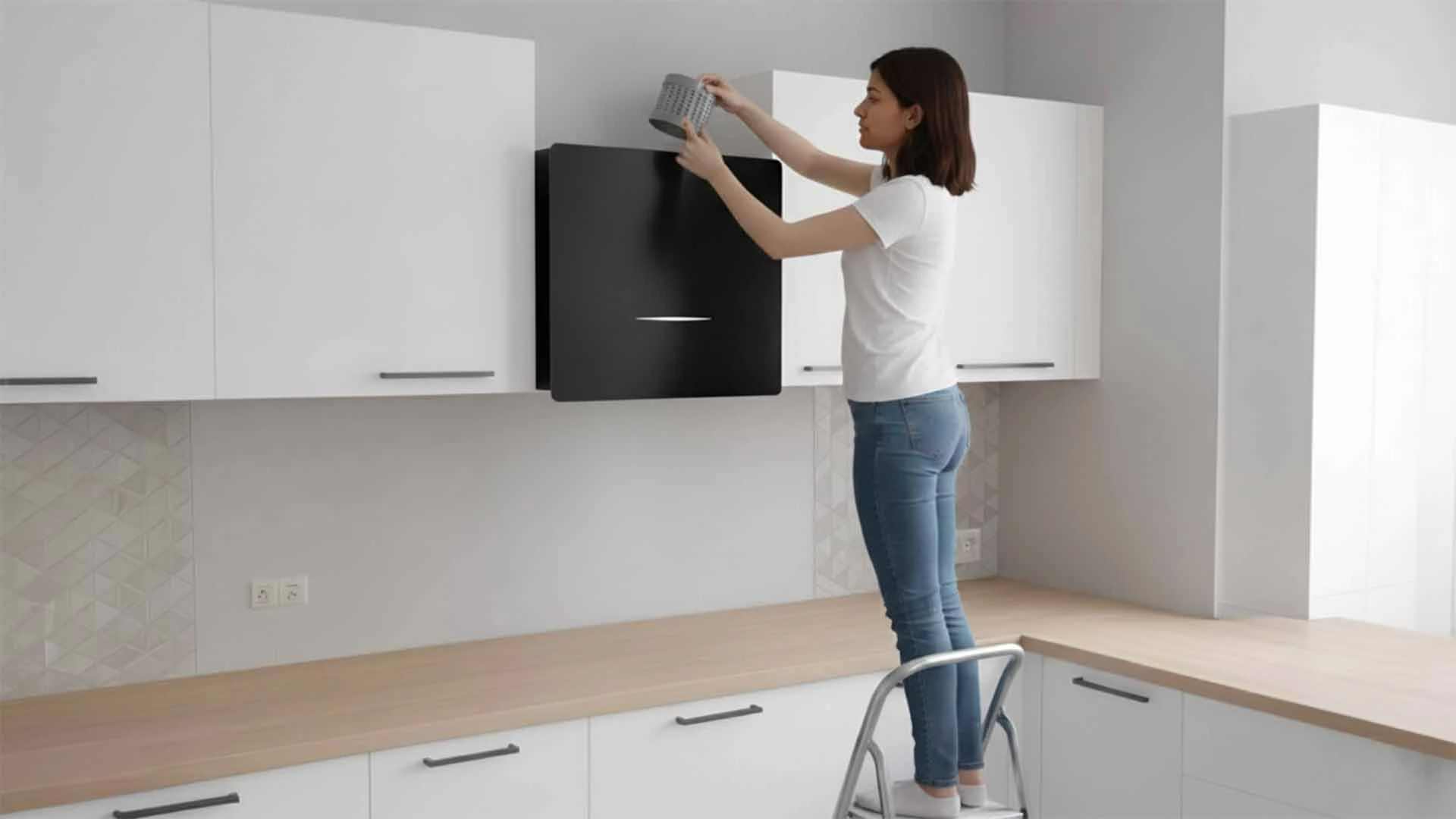
Installing a kitchen chimney transforms your cooking experience by eliminating smoke, grease, and odors effectively. Whether you're upgrading your kitchen or setting up a new cooking space, proper installation ensures optimal performance and longevity. This comprehensive guide covers everything from pre-installation planning to final testing, helping you achieve professional results. Modern kitchen ventilation systems require careful consideration of placement, electrical requirements, and ducting options. With the right approach and attention to detail, you can successfully install a chimney that enhances both functionality and aesthetics in your kitchen space.
Proper planning forms the foundation of successful chimney installation. Before beginning any work, assess your kitchen layout, electrical capacity, and ventilation requirements. Understanding these factors prevents costly mistakes and ensures your new chimney operates at peak efficiency.
Ducted chimneys require external venting through walls or roofs, making them ideal for heavy cooking households. These systems provide superior suction power but need careful ductwork planning. Ductless chimney installation offers easier setup with recirculating filters, perfect for apartments or spaces where external venting isn't possible. Compact kitchen chimney models suit modern designs with limited space. These units maintain powerful suction while fitting seamlessly into contemporary kitchen layouts. Wall-mounted options work best for standard cooktop setups, while island chimneys require ceiling mounting for central cooking areas.
Gather essential tools including drill machine with masonry bits, spirit level, measuring tape, and screwdriver set. Professional-grade installation requires wall plugs, mounting screws, and electrical testing equipment. For ducted systems, add aluminum ducting, duct tape, and external vent covers to your materials list. Electrical requirements include a dedicated 15-amp circuit positioned within reach of the installation area. Ensure the power supply can handle the chimney's motor load without overloading existing circuits. Keep electrical tape, wire nuts, and voltage tester handy for safe connections.
Turn off the main circuit breaker before starting electrical work. Test all connections with a voltage tester to confirm power disconnection. Wall load-bearing capacity must support 8-15 kg weight depending on your chimney model. Local building codes may require permits for ducted installations that penetrate exterior walls. Check with local authorities before beginning work to avoid compliance issues. Maintain proper clearances from combustible materials as specified in manufacturer guidelines.
Correct positioning determines your chimney's effectiveness in capturing smoke and odors. Precise measurements and alignment ensure optimal performance while maintaining kitchen aesthetics. Take time to mark positions accurately before drilling any holes.
Maintain 26-32 inches distance between cooktop surface and chimney base for standard installations. This height provides efficient smoke capture without interfering with cooking activities. Gas cooktops may require slightly higher positioning to prevent flame interference. Electric and induction cooktops allow closer mounting within the recommended range. Adjust height based on your cooking style and frequency of high-heat cooking. Professional chefs often prefer the lower end of the range for maximum capture efficiency.
Align the chimney center with your cooktop center for balanced suction coverage. Use manufacturer-provided templates for precise marking. Mark mounting points with pencil before drilling to ensure accuracy. Measure twice and drill once to avoid costly mistakes. Consider cabinet integration requirements when positioning wall-mounted units. Leave adequate clearance for chimney flue extension and maintenance access.
Follow these detailed steps for professional-quality installation. Each phase builds upon the previous one, so complete each step thoroughly before proceeding. Rushing through installation often leads to performance issues and safety concerns.
Use the manufacturer's template to mark mounting holes accurately. Position the template at your predetermined height and center it over the cooktop. Mark all mounting points with a pencil for clear visibility. Check wall surface for electrical wires or plumbing before drilling. Use a stud finder to locate wall studs for secure mounting. Spirit level ensures perfectly horizontal alignment critical for proper operation.
Drill pilot holes at marked positions using appropriate masonry bits. Wall plug selection depends on your wall type - use heavy-duty plugs for concrete walls and toggle bolts for hollow walls. Insert wall plugs flush with the surface. Attach mounting brackets using provided screws, ensuring tight connections. Check bracket alignment with spirit level before final tightening. Brackets must support the full weight without flexing or movement.
Position the 15-amp outlet near the installation area, preferably behind the chimney unit for concealed wiring. Verify power supply capacity meets chimney requirements. Professional electrical work ensures safety and code compliance. Test outlet functionality before connecting the chimney. Use proper wire gauge for the electrical load to prevent overheating. Ground connections are essential for safety in kitchen environments with moisture exposure.
Proper ductwork installation maximizes your chimney's efficiency and reduces noise levels. Plan the ductwork route carefully to minimize bends and maintain smooth airflow. Quality installation here determines long-term performance satisfaction.
Choose the shortest possible path from chimney to external vent for maximum efficiency. Each bend reduces airflow by approximately 10-15%, so minimize direction changes. Plan the route to avoid structural beams and electrical systems. External vent positioning should prevent backdraft and weather infiltration. Install vent covers with dampers to prevent reverse airflow when the chimney isn't operating. Consider wind direction and building aerodynamics in vent placement.
Use proper duct sizing matching your chimney's outlet diameter for optimal performance. Connect duct sections with aluminum tape for airtight seals. Avoid using screws that penetrate into the airflow path as they create turbulence. Insulate ductwork in unconditioned spaces to prevent condensation and improve efficiency. Secure ducts every 4-6 feet to prevent sagging and vibration. Smooth internal surfaces maintain airflow velocity and reduce noise.
Complete the installation by mounting the main unit and conducting thorough testing. Proper assembly ensures safe operation and optimal performance. Don't skip testing phases as they reveal potential issues before regular use begins.
Carefully lift the main chimney unit onto the installed brackets, ensuring secure engagement. Most units have safety clips or locking mechanisms to prevent accidental detachment. Install the chimney flue cover according to manufacturer specifications. Connect the electrical supply and test all functions before final positioning. Adjust the flue height for proper clearance and aesthetic appearance. Ensure all connections are tight and properly sealed.
Test motor operation at all speed settings to verify proper function. Check lighting systems and control panel responsiveness. Verify suction efficiency by testing smoke capture at various cooktop positions. Listen for unusual noises that might indicate loose connections or airflow restrictions. Measure actual suction performance against manufacturer specifications. Document any adjustments needed for future reference.
Regular maintenance preserves performance and extends equipment life significantly. Establish maintenance routines from the beginning to prevent costly repairs later. Understanding common issues helps you address problems quickly and effectively.
Clean aluminum filters monthly or after every 30 hours of cooking for optimal performance. Baffle filters need cleaning every 2-3 months depending on cooking frequency. Replace charcoal filters in ductless systems every 3-6 months. Inspect ductwork annually for loose connections, damage, or blockages. Clean external vents to prevent backdraft and maintain proper airflow. Schedule professional servicing annually for motor lubrication and electrical inspection.
Poor suction often results from incorrect height installation or inadequate ductwork sizing. Check for air leaks in duct connections and seal with aluminum tape. Verify that external vents aren't blocked by debris or bird nests. Excessive noise usually indicates loose mounting hardware or vibrating ductwork. Tighten all connections and add vibration dampeners where needed. Motor noise may require professional lubrication or replacement.
Understanding installation costs helps you make informed decisions about DIY versus professional installation. Consider both immediate expenses and long-term value when planning your project. Factor in warranty implications and safety considerations.
DIY installation typically costs INR 2,000-5,000 for materials including mounting hardware, electrical supplies, and basic tools. Professional installation ranges from INR 3,000-8,000 depending on complexity and local rates. Complex installations requiring structural modifications cost significantly more. Ducted systems require additional expenses for ductwork materials and external vent installation. Budget INR 1,500-3,000 extra for quality aluminum ducting and professional-grade vent covers. Factor in potential wall repair costs if modifications are needed.
Complex electrical work requiring new circuits or panel modifications needs professional expertise. Structural modifications for ductwork penetration through load-bearing walls require engineering assessment. Professional installation often includes warranty coverage and service guarantees. Island chimney installations typically require professional expertise due to ceiling mounting complexity. Gas line proximity or ventilation code compliance issues warrant professional consultation. Consider professional installation for high-end units where warranty protection is crucial.
Yes, most homeowners can successfully install standard wall-mounted chimneys with basic tools and careful planning. However, complex electrical work or structural modifications may require professional assistance for safety and code compliance.
The recommended distance is 26-32 inches from the cooktop to the chimney base. This height ensures efficient smoke capture while providing adequate cooking space and preventing interference with cooking activities.
Key guidelines include centering the chimney above the cooktop, maintaining proper height clearance, ensuring nearby power socket availability, and providing adequate ducting space for optimal performance.
DIY installation typically costs INR 2,000-5,000 for materials, while professional installation ranges from INR 3,000-8,000 depending on complexity and location. Additional costs may apply for electrical work or structural modifications.
Yes, most kitchen chimneys require a dedicated 15-amp circuit positioned near the installation area, preferably concealed behind the chimney unit for clean appearance and safe operation.
Successful kitchen chimney installation requires careful planning, proper tools, and attention to safety protocols. Following manufacturer guidelines and local building codes ensures optimal performance and compliance. Whether choosing DIY or professional installation, understanding the process helps you make informed decisions and achieve the best results for your kitchen ventilation needs.
