

How to Install a Cooktop: Complete DIY Guide
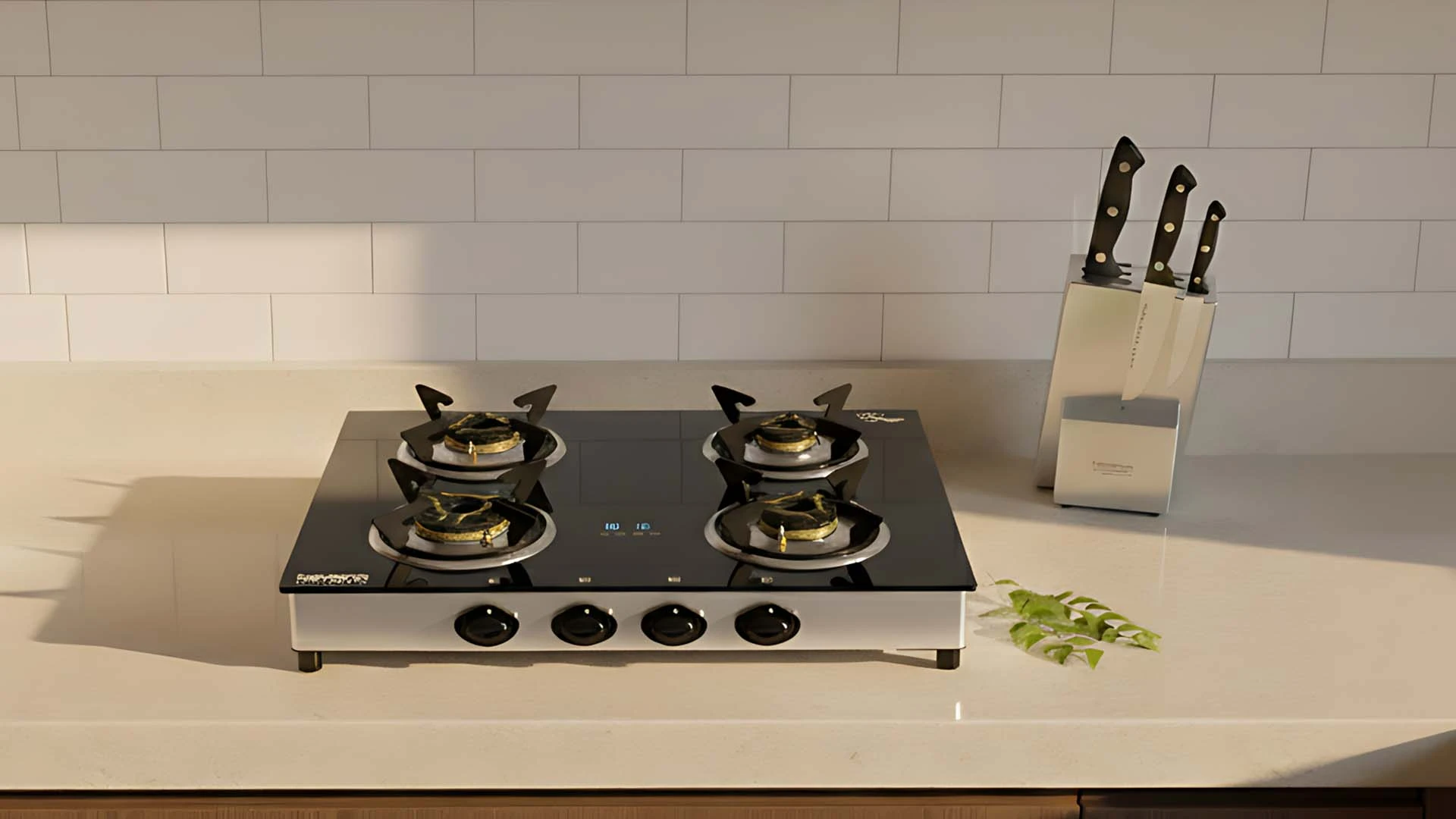
Installing a new cooktop can transform your kitchen experience while adding value to your home. Whether you're upgrading to a sleek modern cooktop or replacing an old unit, proper installation ensures optimal performance and safety. This comprehensive cooktop installation guide walks you through every step, from planning and preparation to final testing. With the right tools, materials, and knowledge, many homeowners can successfully complete this project while understanding when professional help is necessary.
Successful cooktop installation starts with proper preparation and having the right equipment on hand. The specific tools and materials you'll need depend on your cooktop type and existing kitchen setup. Electric cooktop installation requires different tools than gas models, while induction units may need specialized electrical components.
Your tool collection should include a power tester and voltage meter for electrical safety verification. A pipe wrench and adjustable pliers handle gas connections and fittings. You'll need a ¼ inch nut driver and complete screwdriver set for securing mounting hardware. A tape measure and level ensure precise placement and proper alignment. Wire strippers and electrical connectors are essential for electric cooktop wiring. Finally, keep a marker or pencil handy for marking cut-out dimensions on your countertop.
Safety must be your top priority during any cooktop installation project. Identify your circuit breaker locations before starting electrical work. Locate and test your gas shut-off valve if installing a gas unit. Wear appropriate personal protective equipment including safety glasses and work gloves. Ensure adequate ventilation requirements during installation, especially when working with gas connections or electrical components.
Check local permit requirements before beginning your project. Many areas require permits for gas line work or major electrical modifications. Assess whether this is truly a DIY project or if professional installation is necessary. Verify all utility connections match your new cooktop specifications. Review manufacturer warranty requirements, as improper installation may void coverage.
Proper measurement and countertop preparation are crucial for successful cooktop installation. Standard cooktop dimensions vary, and your countertop must accommodate the specific model you've chosen. Accurate measurements prevent costly mistakes and ensure a professional-looking installation.
Standard cooktop dimensions include 30-inch, 36-inch, and 48-inch widths. Most residential kitchens use 30-inch models, while larger kitchens often feature 36-inch units. Professional-grade 48-inch cooktops are becoming popular in modern cooktop designs. Measure your existing space carefully and compare it to your new unit's specifications. Account for any trim or mounting hardware that affects overall dimensions.
Create a precise template using cardboard or paper before cutting your countertop. Mark cut-out lines clearly with a pencil or marker. Different countertop materials require specific cutting techniques - laminate needs fine-tooth saws while granite requires diamond blades. Finish cut edges properly to prevent moisture damage and ensure a clean appearance. Apply appropriate sealers to protect exposed edges.
Install heat shields according to manufacturer specifications to protect cabinet materials. Adjust drawer and cabinet clearances to accommodate cooktop depth and ventilation needs. Consider storage solutions like pull-out drawers or specialized cabinets designed for compact modern design kitchens. Ensure adequate space for gas lines or electrical connections beneath the cooktop.
Electric cooktop installation involves working with high-voltage electrical connections that require careful attention to safety protocols. Most electric cooktops need 240-volt circuits with specific amperage requirements. Understanding proper cooktop wiring procedures ensures safe operation and prevents electrical hazards.
Electric cooktops typically require dedicated 240-volt circuits with appropriate amperage ratings. Wire gauge must match circuit breaker size - usually 8 AWG wire for 40-amp circuits or 6 AWG for 50-amp circuits. GFCI protection requirements vary by local codes, though most areas don't require GFCI for cooktop circuits. Consult local electrical codes and consider professional consultation for complex wiring situations.
Begin by shutting off power at the circuit breaker and verifying it's off with a voltage tester. Disconnect your old electric cooktop carefully, noting wire connections for reference. Connect new cooktop wiring according to manufacturer instructions, typically involving three or four wires depending on your electrical system. Secure all connections with appropriate wire nuts or terminal blocks. Test connections before final installation.
Induction cooktops often require hardwired connections rather than plug-in options. These units may need dedicated circuits and potentially switchboard upgrades to handle their electrical demands. Consider hiring a licensed electrician for induction cooktop installation if your electrical system needs modifications. Proper grounding is especially important for induction models to ensure safe operation.
Gas cooktop installation involves working with natural gas or propane connections that require extreme caution and often professional expertise. Proper gas line connections and thorough leak testing are essential for safe operation. Many areas require professional installation and inspection for gas appliances.
Locate and test your gas shut-off valve before beginning installation. Install or verify proper gas shut-off valve placement near the cooktop location. Use only approved flexible gas connectors rated for your gas type and pressure. Never use standard plumbing fittings for gas connections. Apply pipe thread compound or gas-rated tape to threaded connections following manufacturer specifications.
Connect gas lines using proper pipe fitting techniques and torque specifications. Test gas pressure according to manufacturer requirements before final connection. Perform thorough leak testing using soap solution or electronic gas detectors. Never use open flames to test for gas leaks. Consider professional inspection even for DIY installations to ensure safety compliance.
Gas cooktops require adequate ventilation to remove combustion byproducts safely. Coordinate cooktop venting with range hood installation for optimal air circulation. Ensure sufficient air circulation in your kitchen to support proper combustion. Consider upgrading ventilation systems when installing high-BTU gas cooktops.
Replacing an existing cooktop often involves adapting current installations to accommodate new models. Modern cooktop designs may have different dimensions or connection requirements than older units. Careful planning ensures smooth cooktop replacement without major kitchen modifications.
Disconnect gas or electrical connections following proper safety procedures. Protect countertop surfaces during removal to prevent scratches or damage. Remove mounting hardware carefully, saving reusable components when possible. Consider disposal and recycling options for old appliances, as many areas have specific requirements for appliance disposal.
Modify countertop cut-outs carefully when upgrading to different sized units. Update electrical or gas connections to match new cooktop requirements. Verify compatibility between new cooktops and existing ventilation systems. Consider how modern cooktop designs integrate with your current kitchen aesthetic and functionality.
Deciding between professional installation and DIY cooktop installation depends on several factors including your skill level, local codes, and project complexity. Understanding when to call professionals can save time, ensure safety, and protect warranties.
Evaluate your skill level honestly before attempting cooktop installation. Electric models are generally more DIY-friendly than gas units. Consider local code compliance factors that may require professional work. Assess risks including potential property damage, safety hazards, and warranty implications of improper installation.
Gas line modifications almost always require professional installation and inspection. Major electrical panel upgrades need licensed electrician expertise. Permit requirements often mandate professional installation for gas appliances. Complex installations involving structural modifications benefit from professional expertise.
DIY installation costs include tools, materials, and potential permit fees, typically ranging from INR 2,000 to INR 8,000. Professional installation pricing varies from INR 5,000 to INR 15,000 depending on complexity and location. Consider long-term warranty implications, as professional installation often provides additional coverage and peace of mind.
Proper testing after cooktop installation ensures safe operation and optimal performance. Regular maintenance keeps your new cooktop functioning efficiently while preventing safety issues. Understanding common problems helps you address issues quickly.
Test all cooktop functions systematically after installation completion. Verify even heating across all cooking zones for electric and induction models. Check gas flame patterns and colors for gas cooktops - flames should be blue with minimal yellow tips. Ensure all controls operate smoothly and respond appropriately.
Perform final gas leak detection using soap solution on all connections. Verify electrical connections are secure and properly grounded. Test emergency shut-off procedures for both gas and electric models. Ensure adequate ventilation during initial operation testing.
Essential tools include a pipe wrench, adjustable pliers, tape measure, ¼ inch nut driver, screwdriver set, power tester, wire strippers, and marking tools. Gas installations may require additional specialized tools for pipe connections.
Many homeowners can safely install electric cooktops with proper tools and instructions. Gas cooktop installation often requires professional expertise due to safety concerns and local code requirements. Always check local regulations before beginning any installation project.
Install heat shields according to manufacturer specifications to protect cabinet materials. Ensure proper clearance for ventilation and access to connections. Consider storage solutions designed specifically for cooktop installations in modern kitchen designs.
Induction cooktops typically require hardwired 240-volt connections with dedicated circuits. Many models need 40 to 50-amp circuits depending on their power requirements. Switchboard upgrades may be necessary for older electrical systems.
DIY electric cooktop installation usually takes 2 to 4 hours for straightforward replacements. Gas installations can take 3 to 6 hours depending on existing connections and modifications needed. Professional installations are often completed more quickly due to experience and specialized tools.
Permit requirements vary significantly by location and installation type. Gas installations typically require permits and professional inspection. Major electrical work may also need permits. Check with local building authorities before beginning your project.
Successful cooktop installation requires careful planning, proper tools, and attention to safety protocols. Electric models are generally more suitable for DIY installation, while gas units often benefit from professional expertise. Understanding your local codes and permit requirements prevents costly mistakes and ensures safe operation. Whether you choose DIY or professional installation, proper testing and maintenance ensure years of reliable cooking performance from your new cooktop.
