

How to Improve Kitchen Ventilation Effectively
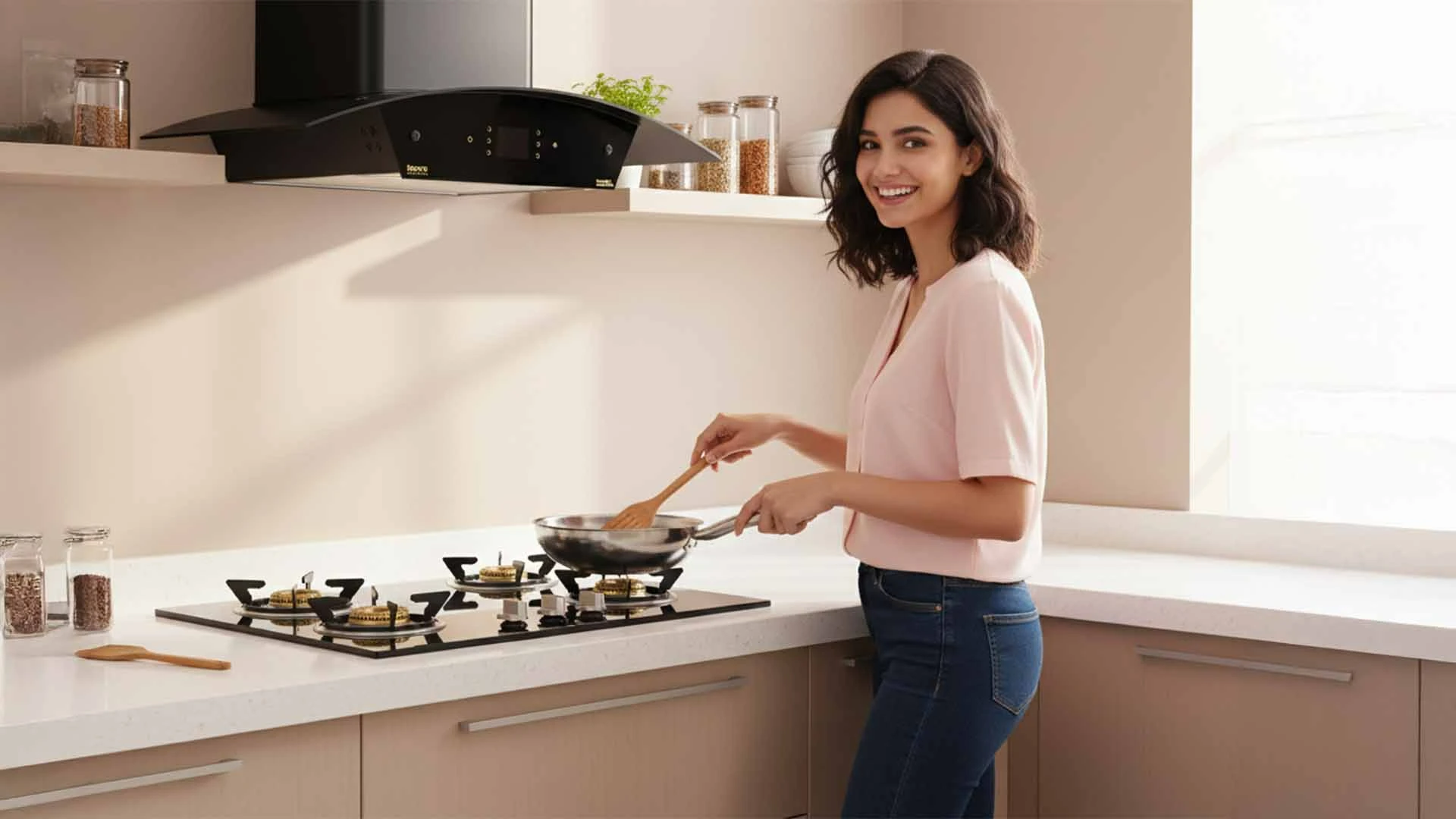
Good kitchen ventilation makes cooking more enjoyable and keeps your home healthy. Poor air circulation leads to lingering odors, grease buildup, and uncomfortable cooking conditions. Many homeowners struggle with smoke, steam, and cooking smells that spread throughout their living spaces. The right kitchen ventilation tips can transform your cooking experience while protecting your family's health. Modern homes need effective ventilation systems that handle everything from daily meal prep to elaborate dinner parties. Understanding how to improve your kitchen's air quality doesn't require expensive renovations or professional help in every case.
Effective kitchen ventilation removes cooking byproducts like smoke, steam, grease particles, and odors from your cooking space. Without proper air circulation, these contaminants accumulate on surfaces, create unpleasant smells, and can affect indoor air quality throughout your home. Poor ventilation creates several problems that impact both comfort and health. Excess moisture from cooking can lead to mold growth, especially in areas with high humidity. Grease particles settle on cabinets, walls, and appliances, creating sticky surfaces that attract dirt and bacteria. Cooking odors become trapped and can linger for hours or even days without adequate air movement. Modern ventilation systems work by capturing contaminated air at its source and either filtering it or exhausting it outside. The most effective systems combine mechanical ventilation with natural airflow to create optimal air circulation patterns. Key components include exhaust fans, ductwork, makeup air systems, and proper air intake points that work together to maintain healthy indoor air quality.
A quality kitchen hood serves as the cornerstone of effective kitchen ventilation. These appliances capture cooking byproducts directly above your cooking surface, preventing them from spreading throughout your kitchen and home. Ducted and ductless systems offer different advantages depending on your kitchen layout and installation possibilities. Ducted range hood systems exhaust contaminated air directly outside through ductwork, providing the most effective removal of cooking byproducts. These systems typically offer superior performance for heavy cooking and high-heat applications.
Ducted systems remove moisture, heat, and odors completely from your home rather than recirculating filtered air. They handle high-volume cooking better and don't require frequent filter replacements like ductless models. Professional installation ensures optimal performance and compliance with building codes.
Ductless models work well in apartments, condos, or homes where ductwork installation isn't feasible. They use charcoal and grease filters to clean air before recirculating it back into the kitchen. These systems install more easily and cost less upfront than ducted alternatives. Proper sizing ensures your range hood handles your cooking volume effectively. Calculate cubic feet per minute (CFM) requirements based on your cooktop's BTU output and kitchen size. Modern kitchen ventilation design integrates seamlessly with contemporary aesthetics while delivering powerful performance.
Compact kitchen ventilation requires creative solutions that maximize air circulation without overwhelming limited space. Small kitchens face unique challenges including restricted airflow, limited installation options, and the need for multi-functional appliances. Space-saving ventilation solutions include under-cabinet range hoods, downdraft systems, and combination microwave-ventilation units. These options provide effective air removal while preserving valuable cabinet and counter space. Wall-mounted and island-style hoods designed for compact spaces offer powerful ventilation in sleek, space-efficient designs.
Kitchen extractor fan systems work well in tight spaces where traditional range hoods won't fit. Ceiling-mounted exhaust fans remove cooking byproducts from above while maintaining clear sightlines. Window-mounted fans provide direct outdoor exhaust when properly positioned.
Kitchens without windows need mechanical ventilation to maintain air quality. Exhaust fans connected to ductwork provide the primary air removal method. Makeup air systems ensure proper air circulation by replacing exhausted air with fresh outdoor air.
Natural ventilation techniques complement mechanical systems and provide cost-effective air circulation improvements. Strategic window operation creates cross-ventilation that moves contaminated air out while bringing fresh air in. Opening windows on opposite sides of your kitchen during cooking creates natural airflow patterns. Position one window as an intake and another as an exhaust to establish consistent air movement. This technique works especially well during mild weather when outdoor air temperatures are comfortable.
Ceiling fans enhance cooking ventilation by improving air circulation throughout the kitchen. Run fans at low speeds during cooking to prevent disrupting gas flames while maintaining air movement. Higher speeds help clear lingering odors after cooking sessions end.
Built-in stove vents require proper operation to maximize effectiveness. Turn on exhaust fans before you start cooking to establish airflow patterns. Adjust fan speeds based on cooking intensity - higher heat and oil-based cooking need stronger ventilation.
Ventilation installation requires careful planning to ensure optimal performance and code compliance. Professional installation guarantees proper ductwork sizing, adequate makeup air provision, and safe electrical connections. Makeup air requirements vary by location and system size. Many building codes require makeup air systems for range hoods exceeding 400 CFM to prevent negative pressure problems. These systems bring fresh outdoor air into your home to replace exhausted air, maintaining balanced air pressure.
Regular filter cleaning and replacement keeps ventilation systems operating efficiently. Grease filters need cleaning every month with heavy cooking or every three months with moderate use. Charcoal filters in ductless systems require replacement every six months to maintain odor removal effectiveness.
Reduced airflow often indicates clogged filters or blocked ductwork. Unusual noises may signal loose components or worn motor bearings. Persistent odors despite ventilation suggest filter replacement needs or inadequate system capacity for your cooking volume.
Effective kitchen air quality management involves controlling heat, moisture, and airborne particles from cooking activities. Proper ventilation timing and technique maximize system effectiveness while minimizing energy consumption. Managing cooking heat requires coordinated use of exhaust systems and natural ventilation. Start exhaust fans before heating begins to establish airflow patterns. Maintain ventilation for several minutes after cooking ends to clear residual heat and odors completely.
Different cooking methods produce varying amounts of heat, moisture, and airborne particles. High-heat searing and frying generate more smoke and grease particles than gentle simmering or steaming. Adjust ventilation intensity based on cooking methods to maintain optimal air quality.
Air purifiers with activated carbon filters provide additional odor control beyond standard ventilation systems. Splatter screens reduce grease particles during frying while allowing proper heat dissipation. Strategic placement of air-purifying plants adds natural air cleaning capacity.
Kitchen ventilation must comply with local building codes that specify minimum air exchange rates and installation requirements. Most codes require mechanical ventilation in kitchens without adequate natural ventilation through windows or doors. Ventilation opening calculations typically follow the 1/10th floor area rule for natural ventilation or 1/20th floor area when mechanical and natural ventilation work together. These calculations ensure adequate air exchange rates for health and safety.
Proper ventilation reduces fire risks by removing grease-laden air that could ignite. Adequate makeup air prevents backdrafting of combustion appliances like water heaters or furnaces. Regular maintenance keeps systems operating safely and efficiently.
Variable speed controls allow you to match ventilation intensity with cooking needs, reducing energy consumption. Timer controls automatically shut off exhaust fans after cooking ends. Proper ductwork design minimizes air resistance and improves system efficiency.
Install a properly sized range hood, ensure adequate makeup air, clean filters regularly, and use natural ventilation when possible. Combine mechanical and natural methods for optimal results.
Ducted range hoods provide the most effective kitchen exhaust by removing contaminated air directly outside. Size the system based on your cooktop's BTU output and cooking habits.
Building codes typically require mechanical ventilation in kitchens without adequate natural ventilation. Minimum air exchange rates and makeup air requirements vary by location and system size.
Use exhaust fans during cooking, open windows for cross-ventilation, run ceiling fans, and ensure your range hood has adequate CFM capacity for your cooking volume.
Clean grease filters monthly with heavy cooking or every three months with moderate use. Replace charcoal filters in ductless systems every six months.
Calculate 100 CFM per linear foot of cooktop width as a starting point. Add 100-200 CFM for high-BTU cooking or heavy use. Island installations need 150 CFM per linear foot.
Effective kitchen ventilation combines proper equipment selection, correct installation, and regular maintenance to create healthy, comfortable cooking environments. Understanding your specific needs helps you choose between ducted and ductless systems, natural and mechanical ventilation methods. Regular maintenance keeps systems operating efficiently while extending equipment life. Simple practices like cleaning filters monthly and running exhaust fans during cooking make significant differences in air quality. Professional installation ensures code compliance and optimal performance for years of reliable operation.
