

How to Improve Chimney Smoke Removal Effectively
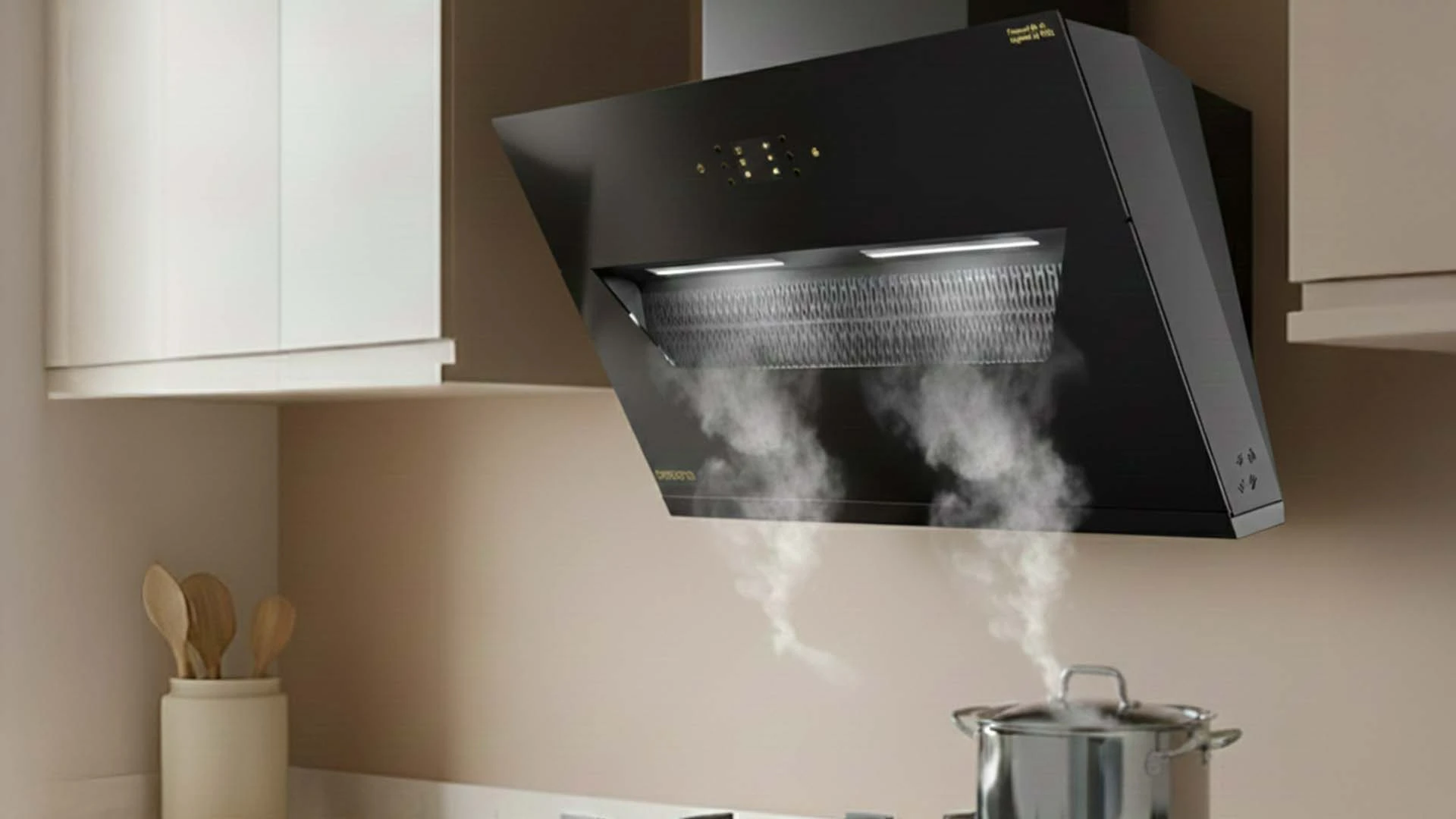
A well-functioning chimney transforms your kitchen from a smoke-filled space into a clean, comfortable cooking environment. Whether you're dealing with heavy Indian cooking or simply want better air quality, understanding how to optimize your chimney's smoke removal capabilities can make a dramatic difference. Modern chimney solutions offer advanced features that go far beyond basic ventilation, providing comprehensive smoke control that protects both your health and your home's interior surfaces.
Effective chimney systems serve as the first line of defense against cooking pollutants, offering multiple layers of protection for your indoor environment. The benefits chimney for smoke removal extend beyond simple ventilation, creating a comprehensive air management solution that addresses various cooking-related challenges.
Modern smoke extraction systems operate through sophisticated mechanisms that capture pollutants at their source. These systems immediately remove smoke particles, grease droplets, and cooking odors before they can spread throughout your kitchen. Advanced filtration technology eliminates up to 90% of grease particles while simultaneously controlling heat and moisture levels in confined cooking spaces.
Research demonstrates that proper chimney smoke removal significantly improves indoor air quality metrics. Studies show a 66% reduction in PM10 particulate matter and an 84% decrease in harmful benzo[a]pyrene compounds when effective ventilation systems are properly installed. These improvements translate to better respiratory health, reduced allergen exposure, and even skin health benefits from decreased grease particle exposure during cooking.
Residential cooking requires different ventilation approaches compared to industrial settings. Kitchen chimneys focus on managing cooking odors, grease particles, and moderate smoke levels, while industrial applications demand heavy-duty systems capable of handling large-scale emissions. Compact fireplace solutions bridge this gap, offering powerful performance in space-efficient designs suitable for modern homes.
Proper chimney design forms the foundation of effective smoke removal, incorporating engineering principles that optimize airflow dynamics and capture efficiency. Understanding these design elements helps homeowners make informed decisions about their ventilation needs.
Chimney draft improvement relies on creating proper pressure differentials that naturally draw smoke upward and away from cooking surfaces. The ideal height-to-diameter ratio ensures adequate natural draft, while strategic placement directly above heat sources maximizes capture efficiency. Proper airflow dynamics prevent smoke spillage and ensure consistent performance across different cooking intensities.
Modern chimney solutions address the challenge of limited kitchen space through innovative designs that maximize performance while minimizing footprint. Wall-mounted configurations work well for galley kitchens, while island installations suit open-plan layouts. Contemporary designs integrate seamlessly with modern aesthetics, offering both functionality and visual appeal. Innovative products like the PlugnPlay Cube Chimney revolutionize installation with no core cutting or ducting requirements. This system installs directly on walls with just 2 screws in 10 minutes, making it ideal for renters or those avoiding major renovations. The 4-year filter life and 1250 CMH suction with 3-sided vents provide powerful performance specifically designed for Indian cooking styles.
Effective systems combine powerful suction motors with appropriate CFM ratings for kitchen size and cooking intensity. Filter types include baffle filters for grease capture, mesh filters for basic particle removal, and carbon filters for odor elimination. Proper ducting materials and installation techniques ensure optimal airflow and system longevity.
Fireplace ventilation requires specialized approaches that differ from kitchen applications, focusing on managing combustion byproducts and maintaining proper draft for safe operation. Both traditional and modern fireplace systems benefit from strategic ventilation improvements.
Traditional smoke control relies on proper damper positioning and operation to regulate airflow. Flue sizing must match fireplace dimensions, while appropriate liner materials ensure safe smoke evacuation. Regular seasonal maintenance, including chimney cleaning and inspection, maintains optimal performance and prevents dangerous blockages.
Contemporary ventilation solutions include direct vent systems that draw combustion air from outside while exhausting smoke through dedicated channels. Electric and gas fireplaces require specific ventilation approaches, with some vent-free systems incorporating advanced catalytic technology. Smart chimney controls allow automated operation based on usage patterns and environmental conditions.
Downdrafts and reverse airflow problems often result from inadequate chimney height or nearby obstructions. Smoke spillage into living spaces indicates insufficient draft or improper damper operation. Poor combustion and inadequate draft typically require professional assessment to identify structural or installation issues.
Strategic chimney placement significantly impacts overall indoor air quality by optimizing air circulation patterns and minimizing pollutant exposure throughout the home. Proper positioning creates positive pressure zones that prevent smoke migration to adjacent areas.
Cross-ventilation principles guide optimal chimney placement to work with natural airflow patterns. Kitchen layout optimization ensures smoke capture before pollutants can spread, while integration with existing HVAC systems prevents negative pressure issues that could compromise performance.
Quantifiable improvements include reduced particulate matter concentrations, lower volatile organic compound levels, and improved humidity control. Before and after measurements demonstrate the effectiveness of proper ventilation systems, with typical improvements showing 60-80% reductions in cooking-related pollutants.
Documented health benefits include improved respiratory function, reduced asthma triggers, and decreased exposure to carcinogenic compounds produced during high-temperature cooking. Family health improvements are particularly notable in households with elderly members or individuals with respiratory sensitivities.
Proper installation and regular maintenance ensure optimal performance and longevity of chimney systems. Following established best practices prevents common issues and maximizes the return on investment.
Building codes specify minimum requirements for chimney installation, including electrical connections, structural support, and safety clearances. Professional installation ensures compliance with local regulations while optimizing system performance. Permit requirements vary by location but typically include electrical and structural inspections.
Filter cleaning schedules depend on cooking frequency and intensity, with monthly cleaning recommended for heavy users. Motor and fan maintenance includes lubrication and belt inspection, while ductwork requires annual cleaning to prevent grease buildup and maintain airflow efficiency.
Reduced suction power often indicates clogged filters or blocked ducts requiring immediate attention. Noise reduction techniques include motor mounting isolation and duct insulation. Energy efficiency optimization involves proper sizing and variable speed controls that adjust performance to cooking demands.
Chimneys provide immediate smoke removal, eliminate cooking odors, reduce grease particles by up to 90%, and improve indoor air quality by removing harmful particulates and allergens. They also protect kitchen surfaces from grease buildup and maintain comfortable cooking environments.
Research shows chimneys reduce PM10 particulate matter by 66% and harmful benzo[a]pyrene compounds by 84%, significantly improving indoor air quality. They capture pollutants at the source before they can circulate throughout the home.
Modern systems incorporate advanced filtration technology, variable speed controls, and improved motor efficiency. Features like 3-sided vents and multi-directional suction ensure comprehensive smoke capture, while innovations like ductless designs eliminate installation complexity.
Ensure proper chimney height relative to surrounding structures, maintain clean flues, check for obstructions, install wind guards if needed, and consider draft inducers for problematic installations. Regular maintenance prevents performance degradation.
Main drawbacks include initial installation costs ranging from INR 15,000 to INR 50,000, ongoing maintenance requirements, noise during operation, and space requirements in compact kitchens. However, these concerns are minimized with proper selection and installation.
Effective chimney smoke removal transforms cooking experiences while protecting health and home environments. Modern solutions offer powerful performance in compact designs, with innovations like ductless systems eliminating traditional installation barriers. The benefits chimney for smoke removal include dramatic improvements in indoor air quality, reduced health risks, and enhanced cooking comfort. Regular maintenance and proper installation ensure optimal performance, making chimney systems essential components of modern kitchens. Whether upgrading existing ventilation or planning new installations, understanding these principles helps homeowners make informed decisions that provide lasting benefits for their families and homes.
