
How to Design Top Minimalist Kitchen Layouts
Cart
Your cart is empty
Minimalist kitchen design has become the gold standard for modern homes, offering a perfect blend of functionality and aesthetic appeal. Top minimalist kitchen layouts focus on clean lines, efficient use of space, and thoughtful organization that eliminates visual clutter while maximizing practicality. Whether you're working with a compact apartment kitchen or designing a spacious culinary space, the principles of minimalist kitchen design can transform any area into a serene, efficient workspace. The key lies in understanding how different layout options work with your specific space constraints and lifestyle needs. From galley configurations perfect for narrow spaces to expansive U-shaped designs that offer maximum storage, each layout type brings unique advantages to the minimalist aesthetic.
Minimalist kitchen design goes beyond simply removing decorative elements. It represents a thoughtful approach to creating spaces that prioritize function while maintaining visual harmony. The philosophy centers on the idea that every element should serve a purpose, contributing to both the kitchen's efficiency and its calming atmosphere.
The foundation of any successful minimalist kitchen design rests on several key principles. Clean lines dominate the aesthetic, with geometric shapes creating visual order and reducing complexity. Neutral color palettes featuring whites, grays, and natural wood tones provide a timeless backdrop that won't feel dated in years to come. Hidden storage solutions and integrated appliances maintain the uncluttered appearance while ensuring full functionality.
Choosing a minimalist approach offers numerous practical advantages beyond aesthetic appeal. Enhanced functionality emerges naturally when every element has a designated purpose and place. Maintenance becomes significantly easier with fewer surfaces to clean and fewer decorative items to dust. The timeless design ensures your investment remains stylish for decades, often increasing property value through its broad appeal to potential buyers.
Selecting the right layout forms the backbone of successful minimalist kitchen design. Each configuration offers distinct advantages depending on your space constraints, cooking habits, and lifestyle preferences. Understanding these options helps you make informed decisions that maximize both functionality and visual appeal.
Galley kitchens excel in small kitchen layouts where space efficiency is paramount. The parallel countertop configuration creates an efficient workflow corridor, allowing easy movement between cooking zones. Maximizing vertical storage becomes crucial in these designs, with floor-to-ceiling cabinets providing ample storage without consuming valuable floor space. Light colors enhance the sense of spaciousness, making narrow areas feel more open and inviting.
L-shaped layouts offer excellent corner optimization while maintaining the clean lines essential to minimalist aesthetics. These designs integrate beautifully with open concept living spaces, creating natural boundaries without walls. Island placement requires careful consideration to maintain traffic flow while adding valuable workspace and storage. The configuration works particularly well for modern kitchen ideas that emphasize social cooking and entertaining.
One-wall kitchen designs represent the ultimate in compact kitchen design, perfect for studio apartments and smaller homes. These layouts demand creative vertical storage solutions to compensate for limited horizontal space. Appliance placement becomes critical, with careful consideration needed for workflow efficiency. Despite space constraints, these kitchens can achieve remarkable functionality through thoughtful planning and smart storage solutions.
U-shaped configurations provide maximum counter and storage space while maintaining efficient work triangles. These layouts excel in larger spaces where contemporary kitchen design can truly flourish. Peninsula additions offer extra functionality without compromising the minimalist aesthetic. The enclosed nature of U-shaped kitchens creates intimate cooking environments while providing extensive storage and workspace.
Successful minimalist kitchens depend on carefully selected design elements that contribute to both function and form. Each component should align with the overall aesthetic while serving practical purposes. The goal is creating seamless integration where individual elements disappear into a cohesive whole.
Handleless cabinet doors create the seamless appearance fundamental to minimalist design. Hidden storage compartments maximize space utilization while maintaining clean exterior lines. Pull-out drawers and organizers ensure every inch serves a purpose, supporting effective kitchen organization ideas. Floor-to-ceiling storage options eliminate visual breaks while providing maximum storage capacity.
Quartz and natural stone surfaces offer durability while maintaining the clean aesthetic minimalist kitchens require. Continuous surfaces without visual breaks create uninterrupted sight lines that enhance spaciousness. Subway tiles and solid backsplashes complement the simple aesthetic without adding unnecessary complexity. Waterfall countertop edges provide sophisticated details that align with minimalist principles.
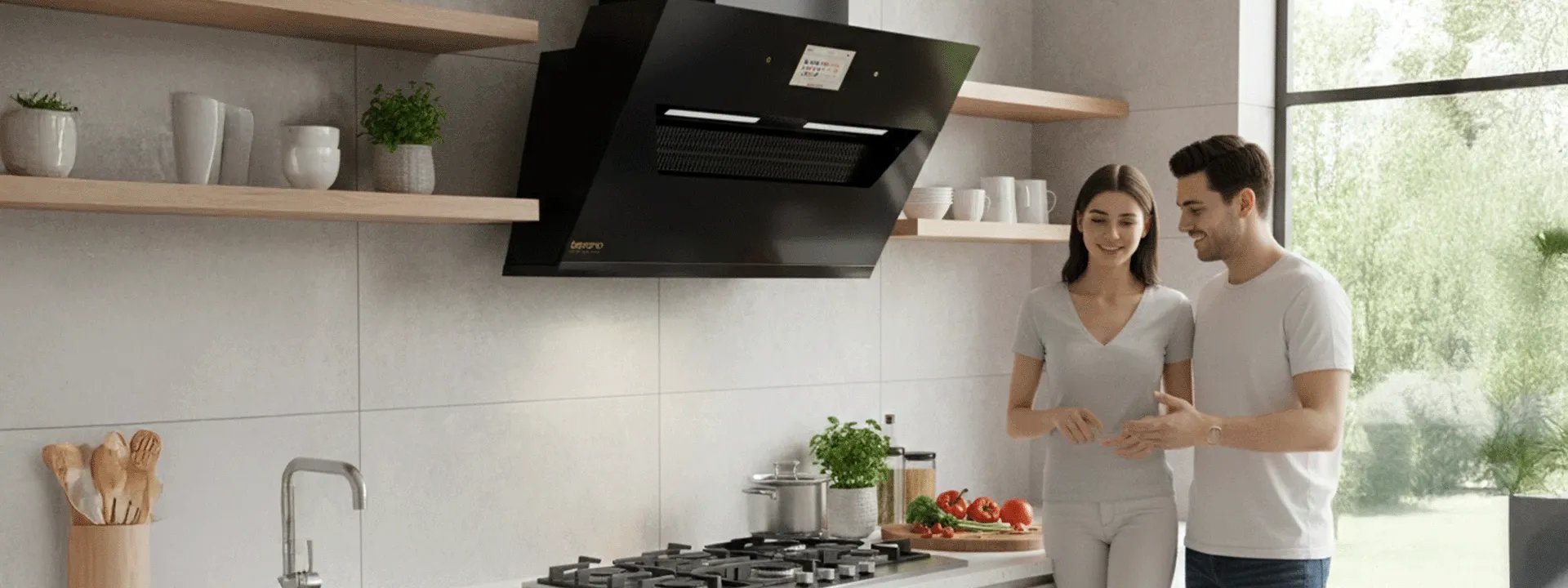
Built-in refrigerators and dishwashers maintain the seamless appearance essential to minimalist design. Modern induction cooktops offer superior performance while supporting clean lines better than traditional ranges. Hidden range hoods and ventilation systems eliminate visual clutter while maintaining essential functionality. Quality chimneys with sleek profiles, including curved and slant designs, provide effective ventilation without compromising the minimalist aesthetic.
Effective space utilization distinguishes truly functional minimalist kitchens from merely stylish ones. Smart organization strategies ensure every item has a designated place while maintaining the uncluttered appearance that defines the aesthetic. These approaches prove particularly valuable in compact kitchen design scenarios.
Multi-functional furniture and islands serve double duty, providing storage and workspace in compact areas. Wall-mounted storage solutions free up valuable counter space while keeping essentials within easy reach. Magnetic strips and hooks utilize vertical surfaces efficiently, supporting kitchen space saving ideas that don't compromise style. Under-cabinet lighting and storage maximize every available inch while enhancing functionality.
Adopting an essential-only approach to kitchen tools prevents accumulation of unnecessary items. Hidden small appliance storage maintains clean countertops while keeping frequently used items accessible. Drawer organization systems ensure everything has a designated place, supporting long-term organization success. Pantry optimization strategies maximize storage efficiency while maintaining the minimalist aesthetic throughout the space.
Color and material choices significantly impact the success of minimalist kitchen designs. The right selections create cohesive environments that feel both sophisticated and welcoming. These decisions affect not only immediate visual impact but also long-term satisfaction and maintenance requirements.
Monochromatic white schemes create timeless elegance while maximizing light reflection in smaller spaces. Warm gray and beige combinations add subtle sophistication without overwhelming the senses. Natural wood accent integration provides warmth and texture within the minimalist framework. Black and white contrast options create dramatic impact while maintaining the clean aesthetic fundamental to contemporary kitchen design.
Eco-friendly cabinet materials support environmental consciousness while providing long-lasting performance. Low-maintenance surface options reduce ongoing care requirements, aligning with minimalist lifestyle principles. Natural stone versus engineered alternatives offer different benefits depending on specific needs and preferences. Hardware-free design solutions eliminate visual clutter while reducing maintenance points throughout the kitchen.
Proper lighting design enhances both functionality and aesthetic appeal in minimalist kitchens. Layered approaches ensure adequate illumination for all activities while supporting the clean visual lines that define the style. Smart lighting choices can dramatically impact how spaces feel and function throughout different times of day.
Ambient lighting strategies provide overall illumination while maintaining the serene atmosphere minimalist designs require. Task lighting for work areas ensures safety and efficiency during food preparation activities. Accent lighting adds visual interest without cluttering the space with unnecessary decorative elements. Natural light maximization reduces dependence on artificial sources while enhancing the connection to outdoor spaces.
Recessed lighting placement eliminates visual clutter while providing excellent general illumination. Pendant light considerations focus on simple forms that complement rather than compete with the overall design. Under-cabinet LED strips enhance functionality while maintaining the clean lines essential to minimalist aesthetics. Smart lighting controls offer convenience while supporting the technology integration that defines modern living.
Understanding potential pitfalls helps ensure successful minimalist kitchen implementation. Many homeowners make similar errors that compromise both functionality and aesthetic appeal. Learning from these common mistakes saves time, money, and frustration during the design process.
Insufficient storage planning leads to cluttered countertops that undermine the minimalist aesthetic. Ignoring the work triangle creates inefficient workflows that frustrate daily cooking activities. Over-minimizing essential items can compromise functionality in pursuit of visual simplicity. Poor lighting design affects both safety and usability, particularly in food preparation areas.
Choosing style over function ultimately leads to kitchens that look beautiful but fail to meet daily needs. Inadequate counter space forces users to work in cramped conditions that reduce cooking enjoyment. Wrong scale furniture and fixtures can overwhelm smaller spaces or appear lost in larger ones. Neglecting maintenance requirements leads to surfaces and finishes that don't age gracefully over time.
Galley and straight kitchen layouts work best for small spaces, maximizing efficiency while maintaining clean lines. These configurations make the most of limited square footage while supporting the uncluttered aesthetic that defines minimalist design.
Focus on hidden storage solutions like pull-out drawers, floor-to-ceiling cabinets, and integrated organizers. These approaches maximize storage capacity while maintaining the seamless appearance essential to minimalist aesthetics.
Neutral palettes including whites, light grays, and natural wood tones create timeless minimalist appeal. These colors provide versatile backdrops that won't feel dated while supporting the serene atmosphere minimalist designs require.
Yes, choose a simple, streamlined island design that serves multiple functions without overwhelming the space. The key is selecting proportions that complement rather than dominate the overall kitchen design.
Implement daily decluttering habits, invest in quality storage solutions, and resist impulse purchases. Consistent maintenance of minimalist principles ensures your kitchen continues to function and look its best over time.
Successful minimalist kitchen design requires careful planning that balances aesthetic goals with practical functionality. The best layouts maximize available space while maintaining the clean lines and uncluttered appearance that define the style. Whether working with compact spaces or larger areas, the principles remain consistent: prioritize function, embrace simplicity, and choose quality materials that age gracefully. Remember that minimalism doesn't mean sacrificing convenience or style. Instead, it represents a thoughtful approach to creating spaces that support both daily activities and long-term satisfaction. With proper planning and attention to detail, any kitchen can achieve the serene efficiency that makes minimalist design so appealing to modern homeowners.
