

How to Design a Kitchen Layout for Optimal Cooking Flow
A well-designed kitchen layout can transform your cooking experience from chaotic to seamless. Whether you're preparing a quick weekday dinner or hosting an elaborate weekend feast, the way your kitchen is arranged directly impacts your efficiency, safety, and enjoyment. The secret lies in understanding how different zones work together to create a natural cooking flow. From the classic work triangle to modern ergonomic principles, smart kitchen design balances functionality with style. Today's homemakers need kitchens that adapt to busy lifestyles while maintaining the warmth and functionality that makes a house feel like home.
Creating an efficient kitchen layout starts with understanding how cooking actually happens in your space. Every successful kitchen design revolves around three core principles: workflow optimization, zone planning, and accessibility. These fundamentals ensure that your kitchen supports rather than hinders your culinary adventures. The foundation of any great kitchen layout lies in recognizing that cooking is a sequence of activities. You gather ingredients, prepare them, cook them, and clean up afterward. Your kitchen floor plan should support this natural progression without forcing you to zigzag across the room or compete for counter space.
The work triangle connects your three most important kitchen zones: the refrigerator, sink, and cooking surface. This concept has guided kitchen design for decades because it reflects how people naturally move while cooking. The ideal triangle measures between 12 to 26 feet in total perimeter, with each leg spanning 4 to 9 feet. When your work triangle functions properly, you can move efficiently between storing, cleaning, and cooking without unnecessary steps. This design principle reduces fatigue during meal preparation and helps prevent accidents caused by carrying hot items across long distances.
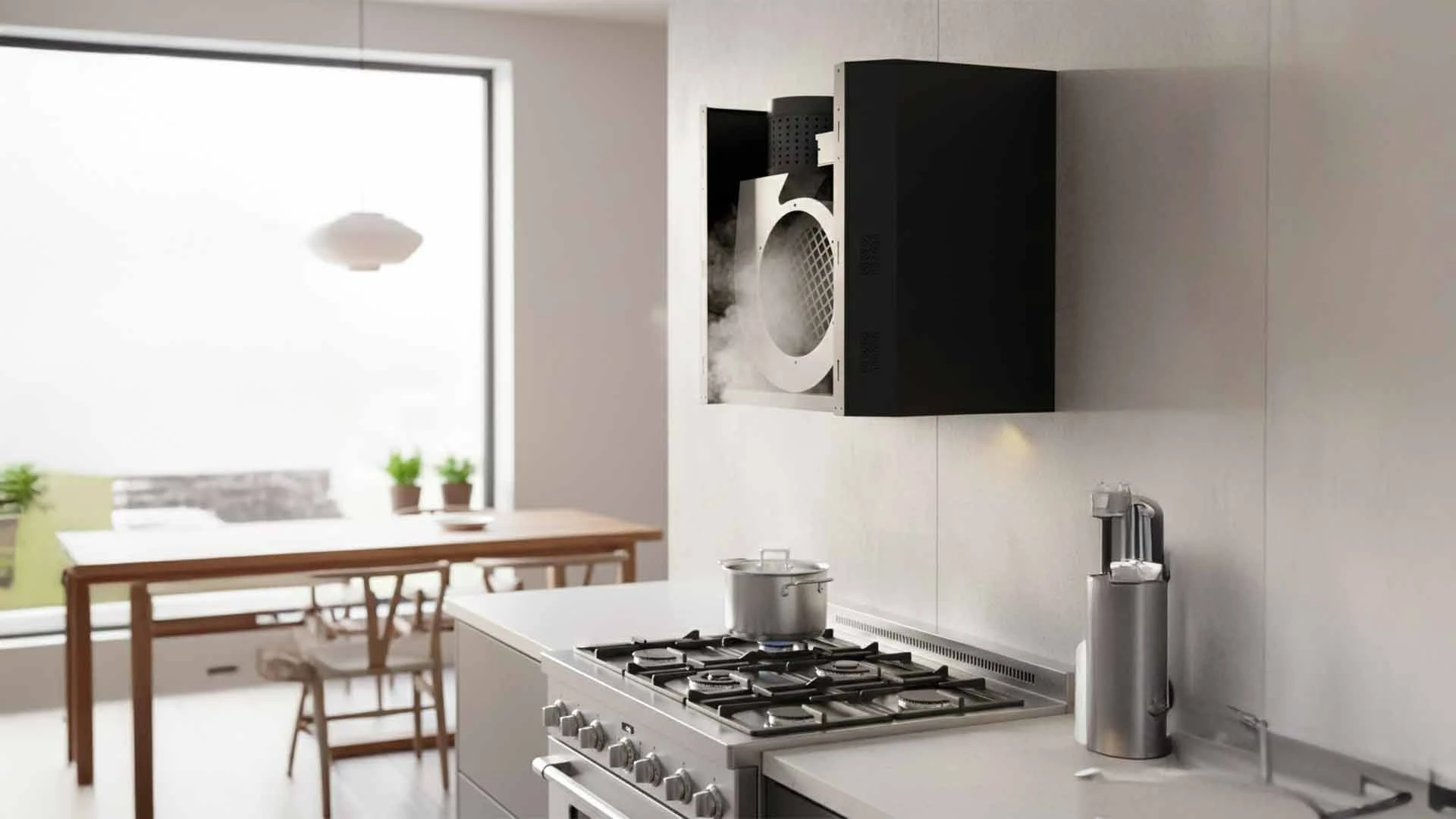
Beyond the basic triangle, modern kitchen design recognizes five distinct zones that support optimal cooking flow. The preparation zone includes ample counter space near the sink, storage for cutting boards and knives, and easy access to frequently used ingredients. The cooking zone centers around your stove, oven, and any additional cooking appliances. This area needs adequate ventilation, which makes choosing the right chimney crucial for maintaining air quality. The cleaning zone encompasses your sink, dishwasher, and trash storage, positioned for easy cleanup without interfering with ongoing cooking activities.
Choosing the right kitchen layout depends on your space, cooking habits, and family size. Each layout type offers unique advantages for different situations. Understanding these options helps you make informed decisions during your kitchen remodel or renovation project. The most successful kitchen layouts maximize both functionality and visual appeal. They create clear pathways for movement while providing adequate storage and workspace for all your cooking needs.
The galley kitchen features two parallel countertops with a walkway between them. This compact kitchen design works exceptionally well in narrow spaces, typically measuring 7 to 12 feet wide. The galley layout naturally creates an efficient work triangle, with appliances positioned along both walls. This layout excels in small kitchen situations where every square foot matters. The parallel design keeps everything within easy reach while maintaining clear traffic flow. For optimal function, keep the walkway at least 4 feet wide to allow comfortable movement and cabinet access.
The U-shaped kitchen surrounds you with counter space and storage on three sides. This layout provides maximum workspace and storage capacity, making it ideal for serious home cooks. The enclosed design creates a natural work triangle while offering multiple zones for different cooking activities. This configuration works best in square or rectangular rooms measuring at least 8 by 8 feet. The U-shape allows multiple people to work simultaneously without interfering with each other, perfect for families who cook together.
The L-shaped layout utilizes two adjacent walls, creating an open and accessible workspace. This design works well in open-concept homes where the kitchen flows into living or dining areas. The corner space can accommodate a kitchen island or dining table for additional functionality. This layout suits medium-sized kitchens and offers flexibility in appliance placement. The open side allows for natural traffic flow while maintaining an efficient work triangle between the refrigerator, sink, and cooking surface.
The one-wall kitchen arranges all appliances and storage along a single wall. This compact kitchen idea works well in studio apartments, small homes, or as secondary kitchens in basements or guest areas. Despite space limitations, careful planning can create a highly functional cooking space. Success with this layout requires strategic appliance selection and vertical storage solutions. Consider compact appliances that don't compromise on performance, and use wall-mounted storage to maximize available space.
Small kitchens present unique challenges that require creative solutions. The key lies in maximizing every available inch while maintaining functionality and visual appeal. Smart design choices can make a compact kitchen feel spacious and work efficiently. Modern kitchen design embraces minimalism and multi-functionality to overcome space constraints. By choosing the right appliances, storage solutions, and layout principles, even the smallest kitchen can support serious cooking endeavors.
Compact kitchen success starts with choosing appropriately sized appliances that don't overwhelm the space. Consider slimline dishwashers, compact refrigerators, and space-saving cooking appliances that deliver full functionality in smaller footprints. Vertical storage becomes crucial in small kitchens. Use wall-mounted cabinets that extend to the ceiling, magnetic strips for knives, and hanging racks for pots and pans. Every vertical surface offers potential storage opportunities.
Modern design principles emphasize clean lines, minimal visual clutter, and smart storage solutions. Light colors and reflective surfaces help small kitchens feel larger and brighter. Consider handleless cabinets and integrated appliances for a streamlined appearance. Smart technology integration can enhance functionality without requiring additional space. Induction cooktops heat faster and more efficiently than traditional gas stoves, while modern chimneys with powerful suction maintain air quality in compact spaces.
Ergonomic design reduces physical strain during cooking activities. Standard counter height measures 36 inches, but this can be adjusted based on the primary cook's height. Consider varying counter heights for different activities - slightly lower for kneading dough, higher for casual dining. Place frequently used items within the "golden zone" - between hip and shoulder height. This reduces bending and reaching, making cooking more comfortable and efficient. Store heavy items in lower cabinets with pull-out drawers for easy access.
A successful kitchen renovation requires careful planning and realistic budgeting. Understanding your current kitchen's strengths and weaknesses helps prioritize improvements that deliver maximum impact. Consider both immediate needs and long-term lifestyle changes when planning your remodel. The kitchen renovation process involves multiple decisions about layout, appliances, materials, and finishes. Taking time to plan thoroughly prevents costly mistakes and ensures your new kitchen meets your family's needs for years to come.
Start by identifying bottlenecks and inefficiencies in your current kitchen. Track your movement patterns during typical cooking sessions to understand where the layout creates problems. Common issues include inadequate counter space, poor appliance placement, and blocked traffic flow. Measure your existing space carefully and note structural elements that cannot be changed easily. Load-bearing walls, plumbing locations, and electrical panels influence layout possibilities and renovation costs.
Prioritize changes that improve functionality over purely cosmetic updates. Upgrading to energy-efficient appliances, improving ventilation with a modern chimney system, and adding adequate lighting deliver long-term benefits. Focus your budget on elements that enhance daily cooking experiences. Consider the total cost of ownership when selecting appliances and materials. Higher-quality items may cost more initially but often provide better performance, durability, and energy efficiency over time.
Major layout changes typically require professional expertise, especially when moving plumbing or electrical systems. Structural modifications need proper permits and inspections to ensure safety and code compliance. Professional installation also protects appliance warranties and ensures optimal performance. DIY projects work well for cosmetic updates, cabinet organization systems, and minor modifications. However, gas line work, electrical installations, and major appliance connections should always involve qualified professionals.
Optimizing your kitchen layout goes beyond basic functionality to create a space that truly enhances your cooking experience. Advanced techniques consider lighting, color psychology, and sophisticated storage solutions that make every cooking session more enjoyable. These refinements transform a functional kitchen into an inspiring culinary workspace. Attention to details like lighting placement, color coordination, and storage accessibility creates a kitchen that supports both everyday cooking and special occasion entertaining.
Proper lighting combines task, ambient, and accent lighting to create a functional and inviting atmosphere. Task lighting illuminates specific work areas like countertops, stovetops, and sinks. Under-cabinet LED strips provide excellent task lighting without creating shadows. Ambient lighting establishes the overall mood and brightness level. Recessed ceiling lights or pendant fixtures over islands provide general illumination. Accent lighting highlights architectural features or decorative elements, adding visual interest to the space.
Smart storage solutions keep frequently used items within easy reach while maintaining a clutter-free appearance. Pull-out drawers in lower cabinets provide better access than traditional shelves. Lazy Susan mechanisms maximize corner cabinet utility. Vertical dividers organize baking sheets and cutting boards efficiently. Drawer organizers keep utensils sorted and accessible. Consider appliance garages to hide small appliances while keeping them readily available for use.
Understanding common kitchen design mistakes helps you avoid costly errors during your renovation. These pitfalls can significantly impact your kitchen's functionality and your satisfaction with the final result. Learning from others' experiences saves time, money, and frustration. Many layout problems stem from prioritizing appearance over functionality or failing to consider how the kitchen will be used daily. Avoiding these mistakes ensures your new kitchen serves your family well for years to come.
Oversized work triangles force unnecessary walking during meal preparation. Triangles exceeding 26 feet in perimeter create inefficiency and fatigue. Conversely, triangles smaller than 12 feet feel cramped and limit counter space between work zones. Blocked pathways disrupt the work triangle's effectiveness. Kitchen islands, peninsulas, or furniture should not interfere with movement between the refrigerator, sink, and cooking surface. Maintain clear sight lines and unobstructed access to all three points.
Insufficient counter space near appliances creates bottlenecks during cooking. Provide at least 18 inches of counter space on one side of the sink and 24 inches on the other. Allow 15 inches of counter space on at least one side of the cooking surface. Landing space near the refrigerator prevents accidents when carrying heavy or hot items. Plan for at least 15 inches of counter space within 48 inches of the refrigerator handle for safe food transfer.
Oversized kitchen islands can overwhelm smaller spaces and disrupt natural traffic patterns. Maintain at least 42 inches of clearance around islands for comfortable movement and cabinet access. In busy kitchens, 48 inches provides better flow. Doorway placement affects kitchen efficiency significantly. Avoid positioning doorways that force traffic through the work triangle. Consider pocket doors or wider openings to improve flow between the kitchen and adjacent rooms.
The U-shaped kitchen layout offers the highest efficiency for serious cooking, providing maximum counter space, storage, and an optimal work triangle. However, the best layout depends on your available space, cooking habits, and family size. Galley kitchens work excellently in narrow spaces, while L-shaped layouts suit open-concept homes.
Maintain at least 42 inches between parallel counters for comfortable movement and cabinet access. In high-traffic kitchens or homes with multiple cooks, 48 inches provides better flow. For wheelchair accessibility, plan for 60 inches of clearance.
Essential appliances include a refrigerator, cooking surface, oven, sink, and proper ventilation system. Modern chimneys with powerful suction maintain air quality, especially important in compact kitchens. Choose appliances sized appropriately for your space and cooking needs.
Utilize vertical space with ceiling-height cabinets, install pull-out drawers in lower cabinets, and use magnetic strips or hanging racks for frequently used items. Corner solutions like lazy Susans maximize awkward spaces. Consider appliance garages to hide small appliances while keeping them accessible.
Professional designers help optimize complex layouts and ensure code compliance, especially for major renovations involving plumbing or electrical changes. They also provide access to trade discounts and coordinate installations. For minor updates or simple layouts, careful DIY planning can be successful.
Designing an optimal kitchen layout requires balancing functionality, efficiency, and personal cooking style. The work triangle remains a valuable guideline, but modern kitchens benefit from zone-based planning that accommodates multiple cooks and varied activities. Whether you're working with a compact galley kitchen or planning an extensive U-shaped design, focus on creating clear pathways, adequate storage, and proper lighting. Remember that the best kitchen layout supports your specific cooking habits and lifestyle needs. Take time to assess how you actually use your kitchen before making major changes. With careful planning and attention to both form and function, your kitchen can become the heart of your home - a space that inspires creativity and brings family together around great food.
