

How to Create a Minimalist Kitchen in 7 Steps
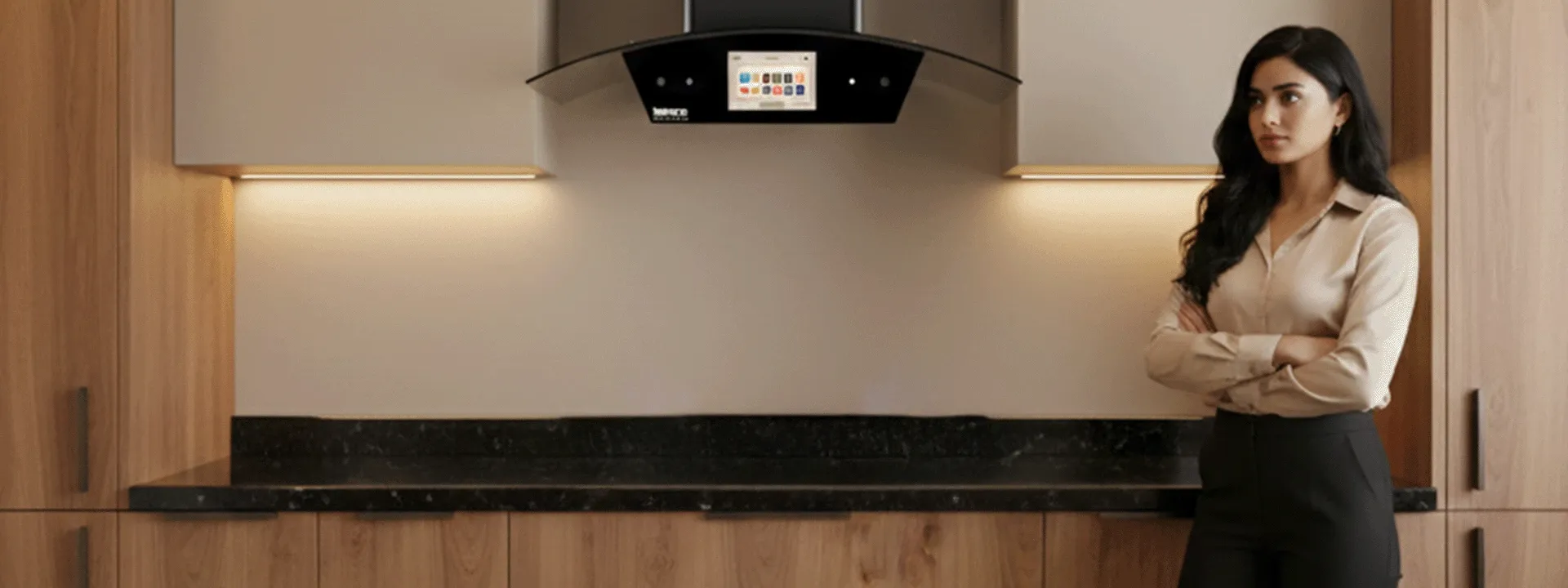
Creating a minimalist kitchen transforms your cooking space into a serene, functional environment that prioritizes simplicity and efficiency. This design philosophy emphasizes clean lines, uncluttered surfaces, and purposeful choices that make daily cooking tasks more enjoyable. A well-executed minimalist kitchen not only looks stunning but also reduces stress by eliminating visual chaos and making everything easier to find and maintain. Whether you're working with a spacious area or implementing compact kitchen ideas, these seven strategic steps will guide you toward achieving a minimalist kitchen look that feels both modern and timeless.
A minimalist kitchen represents more than just a design trend—it's a lifestyle choice that prioritizes function over excess. This approach focuses on keeping only essential items while ensuring every element serves a clear purpose. The core principles include maintaining clean surfaces, choosing quality over quantity, and creating visual calm through thoughtful organization. The benefits extend beyond aesthetics. A clean kitchen aesthetic reduces cleaning time, makes meal preparation more efficient, and creates a peaceful environment for family gatherings. Research shows that organized spaces can reduce stress levels and improve overall well-being, making your kitchen a more enjoyable place to spend time.
Minimalist kitchens feature neutral color palettes, streamlined appliances, and hidden storage solutions. These spaces avoid decorative clutter while incorporating natural materials like wood and stone for warmth. The emphasis remains on functionality, with every item earning its place through regular use.
This design approach suits busy lifestyles perfectly. With fewer items to manage and clean, homeowners spend less time on maintenance and more time enjoying their space. The timeless appeal also means your kitchen won't look dated in a few years, protecting your investment.
Successful kitchen decluttering forms the foundation of any minimalist transformation. Start by removing everything from your cabinets, drawers, and countertops. This complete emptying allows you to see exactly what you own and make informed decisions about what stays. Sort items into three categories: daily use, occasional use, and rarely used. Be honest about your cooking habits and lifestyle needs. That specialty gadget you bought but never use should find a new home. Focus on keeping versatile tools that serve multiple purposes, like a high-quality chef's knife instead of five different cutting tools.
Implement a "one in, one out" policy to prevent future accumulation. When you bring home a new kitchen tool, donate or discard something else. This simple rule maintains your minimalist progress long-term.
Store holiday baking supplies, large serving pieces, and seasonal appliances in basement or garage storage. Keep only items you use monthly or more frequently in your main kitchen space.
Modern kitchen design relies heavily on neutral color palettes that create visual calm and timeless appeal. White remains the most popular choice because it reflects light, makes spaces appear larger, and provides a clean backdrop for natural materials. However, warm grays, soft beiges, and natural wood tones also work beautifully. Consider a monochromatic approach using different shades of the same color family. This creates depth without visual complexity. Alternatively, a two-tone design with white upper cabinets and natural wood lowers adds warmth while maintaining simplicity.
Neutral colors promote feelings of calm and cleanliness, essential for a space where food preparation occurs. These shades also provide flexibility for adding small pops of color through fresh flowers or seasonal fruit displays.
Steer clear of busy patterns, bold accent walls, or multiple competing colors. These elements create visual chaos that contradicts minimalist principles. Instead, let texture and natural materials provide visual interest.
Effective kitchen storage solutions keep your minimalist space organized and functional. Hidden storage options like pull-out drawers, lazy Susans, and cabinet organizers maximize every inch while maintaining clean lines. These systems ensure everything has a designated place, making it easier to maintain your organized kitchen. Vertical storage proves especially valuable in compact kitchen ideas. Install tall cabinets that reach the ceiling, use wall-mounted shelves sparingly for frequently used items, and consider magnetic strips for knives and spice containers. Every storage solution should contribute to the overall clean aesthetic.
Install drawer organizers, shelf risers, and door-mounted storage to triple your cabinet capacity. These additions keep items visible and accessible while maintaining order.
Maintain clear countertops as a non-negotiable rule. Store small appliances in cabinets or appliance garages. Keep only daily essentials like a coffee maker or knife block visible, and ensure these items align with your design aesthetic.
Choosing the right appliances significantly impacts your contemporary kitchen success. Integrated appliances that blend seamlessly with cabinetry create the cleanest look, while stainless steel options provide a modern industrial feel. Focus on quality pieces that perform multiple functions rather than accumulating single-purpose gadgets. For cooking needs, consider a sleek chimney hood that complements your minimalist design. Modern options like curved chimneys or T-shaped designs provide excellent functionality while serving as subtle design elements. These appliances remove cooking odors efficiently while maintaining the clean lines essential to minimalist aesthetics.
Choose flat-panel cabinet doors with minimal or no hardware for the cleanest look. When hardware is necessary, select simple, geometric shapes in brushed metals that complement your color scheme.
Install under-cabinet LED lighting for task illumination and pendant lights with clean geometric shapes. Avoid ornate fixtures that compete with your minimalist design goals.
Natural light enhances any minimalist kitchen by creating an airy, open feeling that makes spaces appear larger. Remove heavy window treatments in favor of simple blinds or leave windows uncovered when privacy allows. Clean windows regularly to maximize light penetration throughout your space. Create visual flow by removing unnecessary barriers between kitchen zones. Open shelving, when used sparingly, can maintain sight lines while providing storage. Consider removing upper cabinets on one wall to create an open, gallery-like feeling that emphasizes your clean kitchen aesthetic.
Position mirrors opposite windows to reflect natural light and create the illusion of expanded space. This technique works particularly well in small kitchen design situations.
Layer different types of lighting—ambient, task, and accent—to create warmth during evening hours while maintaining the clean, bright feeling of your minimalist space.
Natural materials add warmth and texture to minimalist spaces without creating visual clutter. Wood cutting boards, stone countertops, and metal accents provide tactile interest while maintaining the clean aesthetic essential to achieving a minimalist kitchen look. Choose materials in neutral tones that complement your color palette. Limit material variety to two or three types maximum. For example, combine white cabinets with natural wood accents and stainless steel appliances. This restraint prevents the space from feeling busy while adding necessary warmth to prevent sterility.
Select eco-friendly options like bamboo cutting boards, recycled glass countertops, or reclaimed wood elements. These choices align with minimalist values of mindful consumption.
Introduce texture through material choices rather than decorative objects. A natural stone backsplash or wood grain cabinet finish provides visual interest without adding items to maintain.
Long-term maintenance of your organized kitchen requires developing daily habits that prevent clutter accumulation. Spend five minutes each evening returning items to their designated places and wiping down surfaces. This small investment prevents the gradual slide back toward chaos. Weekly organization sessions help maintain your systems. Check that items remain in their assigned locations, donate anything you haven't used recently, and address any organizational challenges before they become problems. Monthly deep cleaning keeps your space looking fresh and identifies any areas needing attention.
Avoid the temptation to fill empty spaces with decorative items. Embrace negative space as a design element that contributes to the calm, uncluttered feeling you've worked to create.
Conduct quarterly reviews of your kitchen contents. Cooking needs change with seasons, and regular evaluation ensures your space continues serving your lifestyle effectively.
Focus on multi-functional, high-quality appliances that you use regularly. Essential items typically include a refrigerator, cooktop or range, and a chimney for ventilation. Choose integrated or streamlined designs that complement your aesthetic rather than dominate the space.
Maximize vertical storage, maintain clear countertops, and use light colors to create the illusion of space. Remove upper cabinets on one wall if possible, and choose compact, multi-functional appliances that don't overwhelm the space.
Neutral colors like white, light gray, and natural wood tones work best. These shades reflect light, create visual calm, and provide a timeless backdrop that won't look dated in future years.
Use hidden storage solutions like pull-out drawers, cabinet organizers, and vertical dividers. Keep countertops clear by storing small appliances in cabinets or appliance garages. Everything should have a designated place.
Absolutely. Minimalist design actually improves functionality by reducing clutter and making items easier to find. Focus on smart storage solutions and choose durable, versatile tools that serve multiple purposes.
Minimalist design emphasizes simplicity and functionality above all else, while modern design may include more decorative elements and bold features. Minimalist kitchens prioritize clean lines and uncluttered surfaces more strictly than modern designs.
Creating a minimalist kitchen requires thoughtful planning and disciplined execution, but the results justify the effort. By following these seven steps—decluttering thoroughly, choosing neutral colors, implementing smart storage, selecting streamlined appliances, maximizing light, incorporating natural materials, and maintaining your systems—you'll achieve a space that supports both efficient cooking and peaceful living. Remember that achieving a minimalist kitchen look is an ongoing process that requires commitment to the principles of simplicity and functionality. The investment in time and energy pays dividends through reduced stress, easier maintenance, and a timeless aesthetic that enhances your daily life.
