

How to Clean Your Cooktop Like a Pro
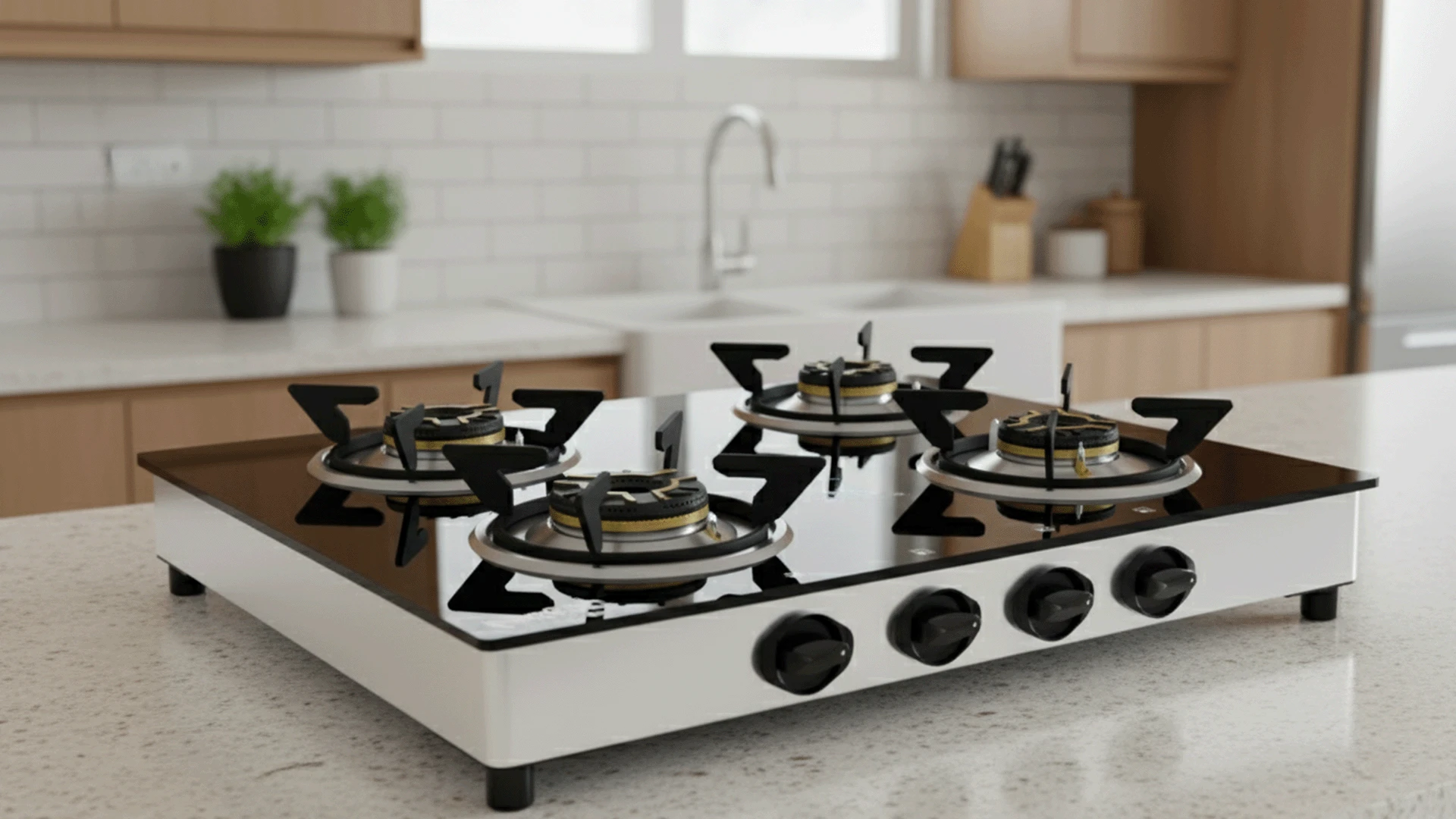
A spotless cooktop is the heart of any well-functioning kitchen. Whether you have a sleek glass surface, traditional electric coils, or a modern induction cooktop, proper cleaning and maintaining cooktops ensures optimal performance and extends your appliance's lifespan. Many homeowners struggle with stubborn stains, burnt residue, and water spots that can make even the most expensive cooktop look worn and neglected. The good news is that with the right techniques and tools, you can achieve professional-level results at home. This comprehensive guide will walk you through proven methods for different cooktop types, helping you maintain that showroom shine while protecting your investment.
Having the right cleaning arsenal makes all the difference when tackling cooktop maintenance. Professional cleaners rely on specific tools and products that deliver superior results without damaging delicate surfaces.
The best cooktop cleaner depends on your specific surface type. Commercial glass cooktop cleaners contain specialized ingredients that cut through grease while being gentle on glass and ceramic surfaces. These products typically cost between INR 200-500 and last for months with regular use. For budget-conscious homeowners, a mixture of dish soap and warm water works effectively for daily cleaning.
Microfiber cloths are essential for streak-free cleaning. Unlike paper towels, they won't scratch surfaces or leave lint behind. Plastic scrapers help remove stuck-on food without causing damage. Soft-bristled brushes work well for textured surfaces and hard-to-reach areas around burners.
Baking soda mixed with water creates a gentle abrasive paste perfect for tough stains. White vinegar cuts through grease and removes water spots naturally. These household items provide effective cooktop surface cleaner options without harsh chemicals.
Glass and ceramic cooktops require special attention to maintain their pristine appearance. These surfaces show every fingerprint and water spot, but they also reward proper care with stunning visual appeal. Always ensure your cooktop is completely cool before beginning any cleaning process. Hot surfaces can cause cleaning products to evaporate too quickly or even burn, creating additional stains. Wait at least 30 minutes after cooking before starting your glass cooktop cleaning routine.
After each cooking session, wipe down the surface with a damp microfiber cloth. This prevents food particles and grease from building up and becoming harder to remove later. For light spills, a gentle dish soap solution works perfectly.
For weekly deep cleaning, apply your chosen cleaning ceramic cooktop product according to manufacturer instructions. Allow it to sit for the recommended time to break down stubborn residue. Use circular motions when wiping to avoid streaking. For burnt-on food, place a damp cloth over the area for 10-15 minutes to soften the residue before scraping.
Hold your plastic scraper at a 45-degree angle and work slowly to avoid scratching. Never use metal scrapers or steel wool, as these will permanently damage the surface. Work from the outside of the stain toward the center to prevent spreading.
Electric cooktops come in various configurations, each requiring specific cleaning approaches. Understanding your cooktop type ensures you use the most effective methods. Electric cooktop cleaning varies significantly between coil burners and smooth-top surfaces. Coil burners require careful handling of removable parts, while smooth-tops need gentle surface care similar to glass cooktops.
Remove coil burners carefully by lifting them straight up and unplugging from their sockets. Clean the coils with a damp cloth, avoiding the electrical connections. Never immerse coils in water, as this can damage the heating elements.
Remove drip pans and wash them in warm, soapy water. For stubborn grease buildup, soak them for 30 minutes before scrubbing. Replace severely damaged or warped drip pans to maintain proper heat distribution and appearance.
Treat smooth electric surfaces like glass cooktops. Use appropriate cleaners and avoid abrasive materials. Pay special attention to the area around heating elements where spills commonly occur.
Induction cooktops represent the latest in cooking technology, featuring sensitive electronic components that require careful handling during cleaning. These surfaces heat cookware through magnetic fields, making them more energy-efficient but also more delicate. Induction cooktop care focuses on protecting both the glass surface and the electronic controls underneath. Temperature sensors and touch controls can be damaged by excessive moisture or harsh chemicals.
Induction surfaces cool faster than traditional electric cooktops, but still require cooling time before cleaning. The rapid temperature changes can cause thermal shock if cold cleaning products are applied to hot surfaces.
Avoid getting moisture into control panels or display areas. Use barely damp cloths around these sensitive zones. If liquid spills onto controls during cooking, clean immediately to prevent damage to electronic components.
Use mild, non-abrasive cleaners specifically designed for induction surfaces. Harsh chemicals can damage the protective coating on the glass and interfere with the magnetic field generation.
Even with regular maintenance, cooktops occasionally face challenging stains that require specialized removal techniques. Understanding how to handle different types of stains prevents permanent damage and keeps your cooktop looking new. Cooktop stain removal success depends on identifying the stain type and choosing the appropriate removal method. Acting quickly on fresh spills prevents them from becoming permanent marks.
Sugar-based spills create some of the most stubborn stains on cooktops. When sugar burns, it forms a hard, glass-like coating that bonds strongly to the surface. Turn off the cooktop immediately and carefully scrape while still warm (but not hot) using a plastic scraper.
Grease stains respond well to degreasing agents. Apply a small amount of dish soap mixed with warm water and let it sit for 10 minutes. The surfactants in dish soap break down oil molecules, making them easier to remove.
White, chalky deposits from hard water require acidic solutions for removal. White vinegar or lemon juice applied with a soft cloth effectively dissolves mineral deposits without scratching the surface.
Establishing a regular maintenance routine prevents minor issues from becoming major problems. Professional chefs and appliance technicians recommend specific schedules based on usage patterns and cooktop types. Cooktop maintenance extends beyond simple cleaning to include performance optimization and early problem detection. Regular care prevents costly repairs and maintains optimal cooking performance.
Wipe down surfaces after each use while slightly warm. Remove spills immediately to prevent staining. Check burner alignment and ensure proper seating of removable components.
Perform thorough cleaning using appropriate products for your cooktop type. Inspect for signs of wear, damage, or performance issues. Clean surrounding areas including backsplashes and nearby countertops.
Check electrical connections on electric models. Inspect gas connections and burner ports on gas cooktops. Test all controls and heating elements for proper operation. Document any changes in performance for future reference.
Schedule annual professional maintenance for gas cooktops to ensure safe operation. Have electrical connections inspected on electric models. Consider professional deep cleaning for heavily used commercial-grade cooktops.
The best approach depends on your cooktop type. For glass and ceramic surfaces, use specialized cooktop cleaners with microfiber cloths. Electric coil burners require careful removal and individual cleaning of components. Induction cooktops need gentle, electronics-safe cleaning products. Always ensure the surface is cool before cleaning and avoid abrasive materials that can cause permanent damage.
Daily light cleaning after each use prevents buildup and staining. Perform deep cleaning weekly or bi-weekly depending on usage frequency. Heavy cooking requires more frequent attention, while occasional use may allow longer intervals between deep cleaning sessions.
Baking soda is safe for most cooktop surfaces when used properly. Create a paste with water for gentle abrasive action on tough stains. Avoid using dry baking soda, which can scratch delicate surfaces. Always test in an inconspicuous area first.
Never use steel wool, abrasive cleaners, or metal scrapers on glass or ceramic surfaces. Avoid getting moisture in electronic controls on induction models. Don't clean hot surfaces, as this can cause thermal shock or burns. Harsh chemicals can damage protective coatings and electronic components.
For fresh burns, turn off heat immediately and carefully scrape while warm using a plastic scraper. For older, hardened residue, apply a damp cloth to soften for 10-15 minutes before scraping. Use specialized cooktop cleaners for stubborn stains, following manufacturer instructions carefully.
Mastering professional cooktop cleaning techniques transforms kitchen maintenance from a chore into a simple routine. The key lies in understanding your specific cooktop type and using appropriate tools and products. Regular daily maintenance prevents most serious staining and damage, while weekly deep cleaning keeps your cooktop performing at its best. Remember that prevention is always easier than correction – immediate attention to spills and proper cooking techniques reduce the need for intensive cleaning. With these proven methods and a consistent maintenance schedule, your cooktop will maintain its appearance and performance for years to come, making every cooking experience more enjoyable and efficient.
