

How to Clean Hob Surface Like a Pro Easily
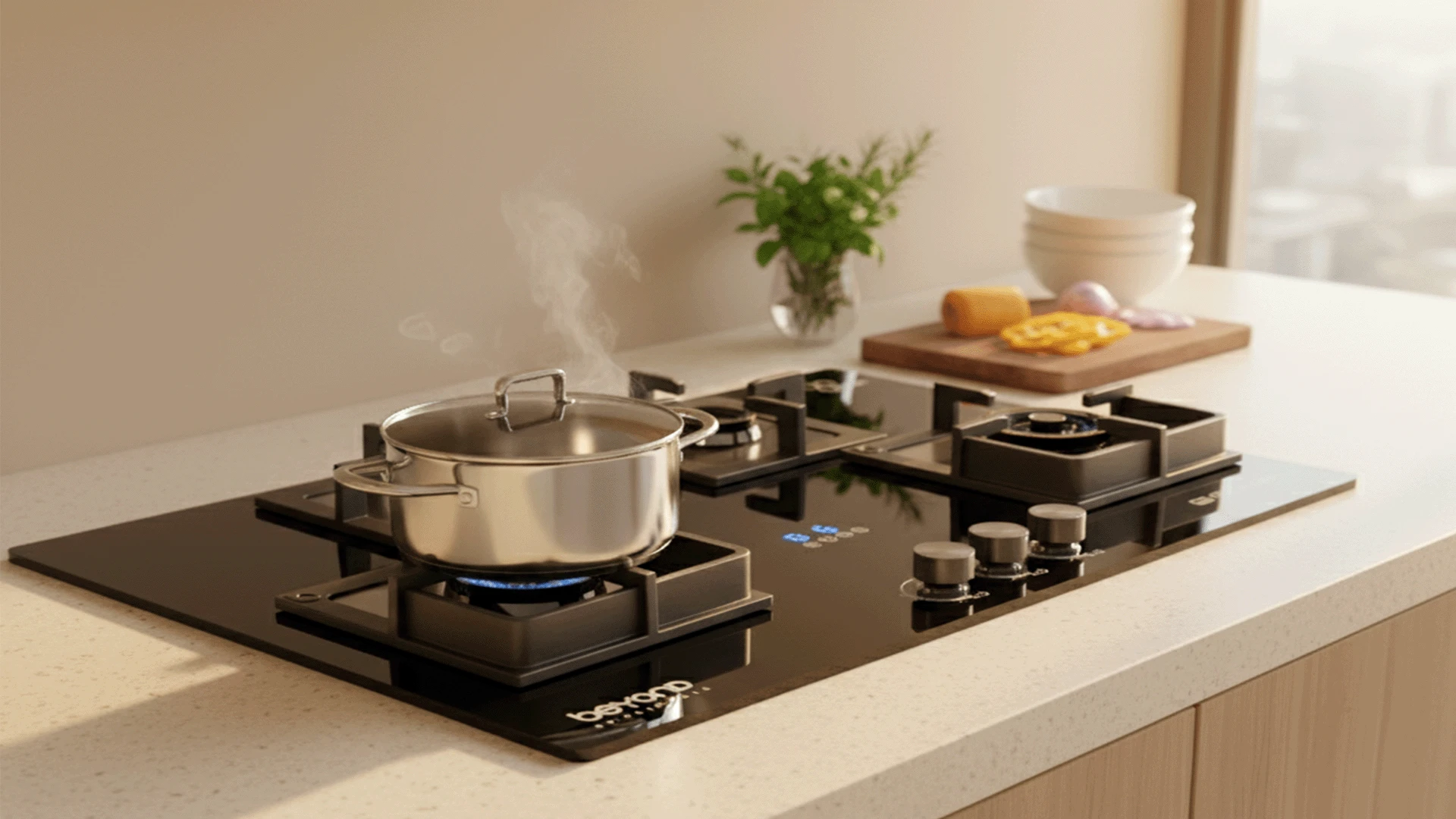
A spotless hob surface transforms your kitchen from chaotic to professional in minutes. Yet many home cooks struggle with stubborn stains, burnt-on food, and the fear of damaging expensive cooktop surfaces. The secret lies in understanding your specific hob type and using the right cleaning techniques at the right time. Whether you own a sleek ceramic surface, modern induction cooktop, or traditional gas burner setup, mastering proper hob cleaning methods ensures both hygiene and longevity. This comprehensive guide reveals professional cleaning strategies that deliver restaurant-quality results using simple household items and proven techniques.
Each hob surface demands specific care to maintain its appearance and functionality. Knowing your cooktop material prevents costly damage while ensuring effective cleaning results.
Ceramic surfaces feature smooth glass-ceramic material that conducts heat efficiently but requires gentle handling. These surfaces expand and contract with temperature changes, making timing crucial for safe cleaning ceramic hob surfaces. Always wait until completely cool before applying any cleaning products to prevent thermal shock and potential cracking.
Induction cooktops use electromagnetic fields beneath tempered glass surfaces. The smooth, non-porous material resists staining but shows fingerprints and water spots easily. Induction hob cleaning requires streak-free techniques and avoiding magnetic cleaning tools that might interfere with the cooking zones.
Gas cooktops feature removable components like grates, burner caps, and drip pans that require individual attention. The combination of different materials and hard-to-reach areas makes cleaning stove top surfaces more complex but manageable with systematic approaches.
Selecting appropriate cleaning products prevents surface damage while achieving superior results. Professional cleaners understand that different materials require specific formulations and application methods.
Commercial glass hob cleaner products contain specialized ingredients that dissolve grease without scratching delicate surfaces. Look for pH-neutral formulas that won't etch glass or ceramic materials. Natural alternatives like white vinegar and baking soda provide effective cleaning power for budget-conscious households while remaining environmentally friendly.
Microfiber cloths trap particles without scratching, while specialized plastic scrapers remove stubborn residue safely. Avoid steel wool, abrasive sponges, or harsh chemicals that can permanently damage smooth surfaces. Quality tools make the difference between amateur and professional-level results.
Systematic cleaning approaches ensure thorough results while protecting your investment. Following proper sequences prevents spreading dirt and maximizes cleaning efficiency.
Daily maintenance prevents buildup that requires intensive scrubbing later. After each cooking session, wipe surfaces with a damp microfiber cloth once completely cool. This simple habit removes fresh spills before they bake on and become difficult stains. For induction and ceramic surfaces, use circular motions to avoid streaking.
Weekly deep cleaning tackles accumulated grease and food particles. Remove all removable parts from gas hobs and soak in warm, soapy water. Apply appropriate hob cleaner to cool surfaces and let it work for the recommended time before wiping clean. Use plastic scrapers for stubborn spots, working gently to avoid scratches.
Monthly intensive cleaning restores surfaces to like-new condition. Disassemble gas burner components completely and clean each piece individually. For glass surfaces, use specialized cleaners that remove mineral deposits and restore clarity. This thorough approach extends appliance life and maintains optimal performance.
Tough stains require strategic approaches that balance effectiveness with surface protection. Professional techniques tackle even the most challenging cleaning situations.
Baking soda paste combines three parts baking soda with one part water to create a gentle abrasive that lifts burnt-on food without scratching. Apply the paste to cool surfaces, let sit for 15 minutes, then scrub gently with a soft cloth. White vinegar dissolves mineral deposits and cuts through grease naturally.
Sugar-based spills caramelize quickly and bond strongly to hot surfaces. Remove these immediately with a plastic scraper while still warm but not hot. Oil and grease respond well to degreasing dish soap applied with warm water. Metal marks from cookware require specialized glass cleaners or gentle abrasive creams designed for smooth surfaces.
Avoiding common errors prevents expensive damage and ensures safe cleaning practices. Understanding these pitfalls helps maintain your cooktop's appearance and functionality.
Never clean hot surfaces, as rapid temperature changes can crack ceramic and glass materials. Avoid ammonia-based cleaners on gas hobs, as they can damage metal components and leave residue that affects flame patterns. Always read manufacturer guidelines before using new cleaning products.
Cleaning immediately after cooking while surfaces remain hot risks burns and thermal damage. Allow adequate cooling time before beginning any cleaning process. Over-wetting electrical components in induction hobs can cause malfunction, so use minimal moisture around control panels and vents.
The best approach depends on your hob type. For ceramic and induction surfaces, use specialized glass cleaners with microfiber cloths. Gas hobs require removing components for individual cleaning with warm, soapy water.
Use only soft cloths and plastic scrapers on ceramic surfaces. Apply cleaning products to cool surfaces and work in circular motions. Avoid abrasive materials and harsh chemicals that can damage the smooth finish.
Yes, baking soda paste works effectively on induction surfaces. Mix with water to form a gentle abrasive that removes stains without scratching. Always ensure the surface is completely cool before application.
Perform daily wipe-downs, weekly deep cleaning, and monthly intensive maintenance. This schedule prevents buildup while maintaining optimal appearance and performance.
White vinegar, baking soda, dish soap, and lemon juice provide effective natural cleaning power. These items remove grease, mineral deposits, and food residue safely when used properly.
No, always wait for complete cooling before cleaning. Hot surfaces can cause burns and thermal shock that cracks ceramic or glass materials. Plan cleaning sessions well after cooking activities.
Mastering hob maintenance requires understanding your specific surface type and using appropriate cleaning methods consistently. Daily maintenance prevents major cleaning challenges, while weekly deep cleaning maintains optimal appearance. Remember that patience and proper technique deliver better results than aggressive scrubbing with harsh chemicals. Professional-level cleanliness comes from consistent care, quality tools, and respecting your cooktop's material requirements. Implement these strategies to enjoy a spotless, efficient cooking surface that enhances your culinary experience for years to come.
