

How to Choose the Right Chimney for Your Home
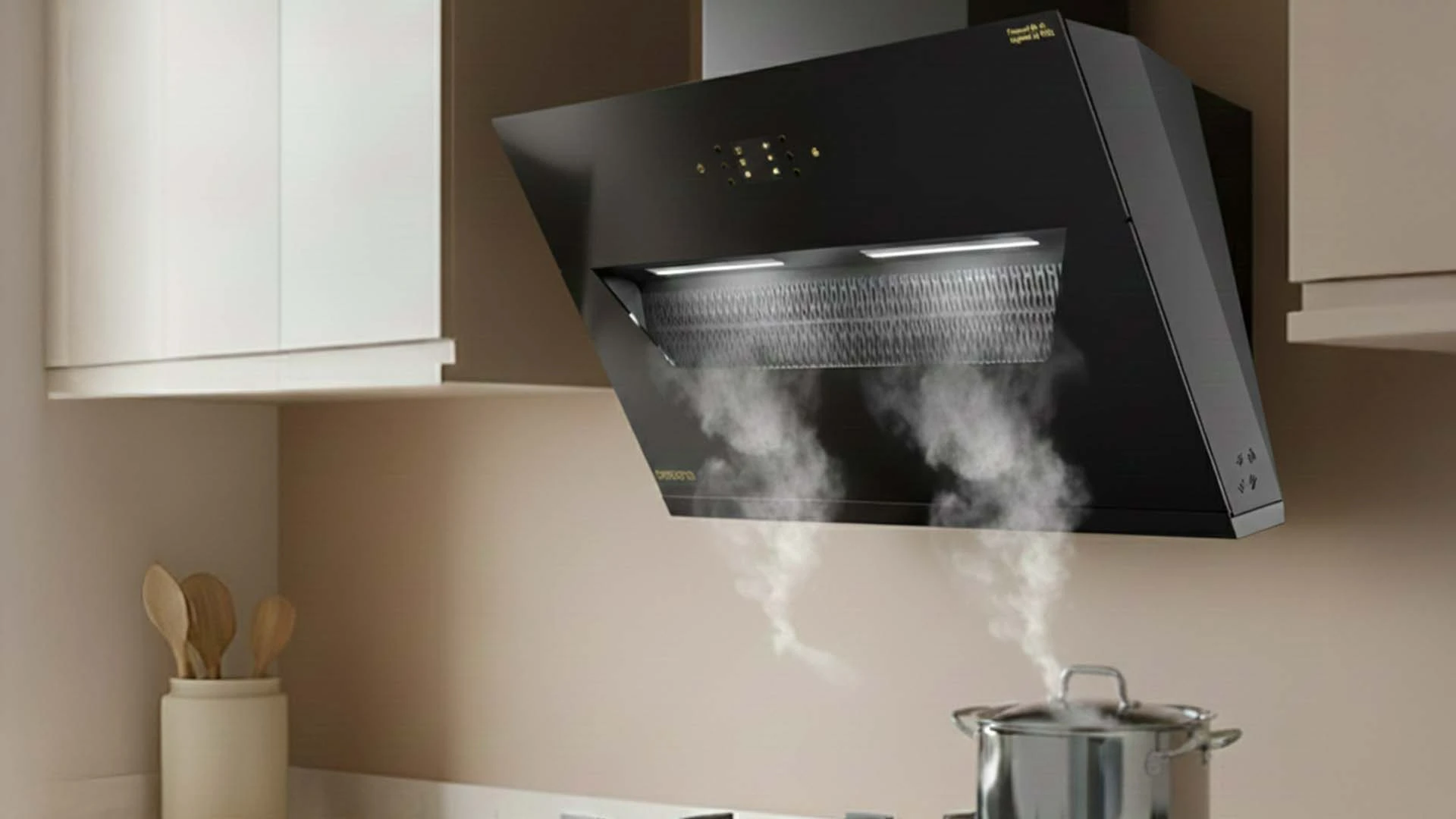
Choosing the right chimney for your home involves understanding various chimney types and their uses to match your cooking style and kitchen layout. Modern kitchens demand efficient ventilation systems that handle smoke, grease, and odors while complementing your interior design. With numerous chimney styles available in the market, from traditional wall-mounted units to innovative downdraft systems, selecting the perfect chimney requires careful consideration of factors like kitchen size, cooking habits, and aesthetic preferences. This comprehensive guide explores different types of chimneys, their construction materials, and performance features to help you make an informed decision for your home.
The variety of chimney types and their uses has expanded significantly with advancing technology and changing kitchen designs. Each type serves specific purposes and offers unique advantages depending on your kitchen layout and cooking requirements. Wall-mounted chimneys remain the most popular choice for Indian homes due to their versatility and effectiveness. These units attach directly to the wall above your cooktop and work exceptionally well for standard kitchen layouts. Compact chimney options within this category suit smaller kitchens without compromising on performance.
Wall-mounted chimneys offer excellent suction power and easy installation. They work best for kitchens with cooking areas positioned against walls. These units typically require 24-30 inches of clearance from the cooktop and need proper ducting for optimal performance.
Island chimneys suspend from the ceiling above kitchen islands, making them ideal for open-plan layouts. These modern chimney designs create striking focal points while providing powerful ventilation. Installation requires sturdy ceiling support and careful planning for ductwork routing.
Built-in chimneys integrate seamlessly with kitchen cabinetry, offering a clean, minimalist appearance. Corner chimneys maximize space utilization in compact kitchens. Both options represent excellent chimney alternatives for space-constrained environments.
Downdraft systems emerge from countertops when needed and retract when not in use. These innovative chimney alternatives work well for kitchen islands where ceiling-mounted units aren't feasible. However, they require specialized installation and may have limited effectiveness with tall cookware.
Chimney design has evolved from purely functional units to stylish kitchen centerpieces. Understanding different design styles helps you choose a chimney that complements your kitchen aesthetics while delivering superior performance. Box-type chimneys feature straight lines and angular designs that suit traditional and contemporary kitchens alike. Their simple construction makes maintenance easier and often results in more affordable pricing. These designs work particularly well in modular kitchens where clean lines are preferred.
Straight-line designs offer timeless appeal and practical benefits. Their simple geometry makes cleaning easier and reduces manufacturing costs. These residential chimney options suit most kitchen styles and provide reliable performance.
Curved glass designs add sophistication to modern kitchens. The curved shape can enhance suction efficiency while creating visual appeal. These premium modern chimney options often feature advanced lighting and control systems.
Unique geometric shapes create dramatic visual impact. These designer chimney styles work best in contemporary kitchens where the chimney serves as a design element. Consider maintenance requirements when choosing complex shapes.
Chimney materials significantly impact durability, performance, and maintenance requirements. Understanding material properties helps you choose a chimney that withstands your cooking environment and usage patterns. Stainless steel dominates premium chimney construction due to its corrosion resistance and durability. High-grade stainless steel handles high temperatures and acidic cooking vapors without degrading. This material choice ensures long-term performance and maintains appearance over years of use.
Stainless steel offers superior durability and heat resistance. It resists corrosion from cooking vapors and maintains its appearance with proper care. Quality chimney construction using stainless steel ensures longevity and reliable performance.
Tempered glass panels add elegance while providing safety benefits. This material resists thermal shock and shatters safely if damaged. Glass surfaces require regular cleaning but offer stunning visual appeal in modern kitchens.
Aluminum provides lightweight construction at lower costs. Composite materials offer design flexibility and good performance for moderate cooking needs. These budget-friendly chimney materials suit cost-conscious buyers without major performance compromises.
Understanding performance specifications ensures your chosen chimney handles your cooking style effectively. Chimney uses vary significantly based on cooking frequency, food types, and kitchen ventilation needs. Suction capacity, measured in cubic meters per hour (m³/hr), determines how effectively your chimney removes smoke and odors. Indian cooking typically requires minimum 600 m³/hr capacity due to high heat and oil usage. Larger kitchens and heavy cooking may need 800-1200 m³/hr capacity.
Proper suction capacity prevents smoke accumulation and odor retention. Calculate requirements based on kitchen size and cooking intensity. Higher capacity units handle multiple burners and high-heat cooking more effectively.
Baffle filters use curved metal plates to separate grease from air. These durable filters handle heavy cooking and clean easily in dishwashers. Cassette filters use multiple layers for fine filtration but require more frequent replacement.
Modern chimneys operate quietly while maintaining powerful suction. Look for units operating below 58 decibels for comfortable kitchen environments. LED lighting and efficient motors reduce energy consumption while providing excellent illumination.
Proper sizing ensures optimal performance and aesthetic integration. Compact chimney options work well for smaller kitchens while maintaining adequate suction power. Chimney width should equal or exceed your cooktop width for effective smoke capture. Standard sizes include 60cm, 75cm, and 90cm widths. Height placement typically ranges from 24-30 inches above the cooking surface, depending on chimney type and manufacturer specifications.
Accurate measurements prevent installation problems and ensure proper fit. Consider ceiling height, cabinet placement, and electrical connections when planning chimney placement. Allow adequate clearance for safe operation and maintenance access.
Ducted systems vent outside for maximum efficiency but require external wall access. Ductless systems recirculate filtered air, working where external venting isn't possible. Choose based on your kitchen layout and building restrictions.
Open kitchens may need higher capacity units due to larger air volumes. Consider traffic patterns and sight lines when positioning island chimneys. Ensure adequate structural support for ceiling-mounted installations.
Professional installation ensures safe operation and optimal performance. Proper electrical connections, secure mounting, and correct ducting prevent future problems and maintain warranty coverage. Regular maintenance keeps your chimney operating efficiently. Clean filters monthly for heavy cooking or bi-monthly for moderate use. Annual professional servicing maintains motor performance and identifies potential issues early.
Expert installation ensures compliance with safety codes and manufacturer specifications. Professional installers handle electrical connections, ducting, and structural mounting safely. Proper installation maintains warranty coverage and prevents costly repairs.
Regular cleaning prevents grease buildup and maintains suction efficiency. Replace or clean filters according to manufacturer recommendations. Schedule annual professional maintenance for motor and electrical components.
The primary chimney types and their uses include wall-mounted chimneys for standard kitchens, island chimneys for open layouts, built-in units for seamless integration, and downdraft systems for unique installations. Each type serves specific kitchen designs and cooking requirements.
Compact chimney designs, particularly wall-mounted straight-line models, work excellently in small kitchens. These units provide adequate suction power while minimizing space requirements and offering easy maintenance.
Select a chimney width equal to or slightly larger than your cooktop width. For Indian cooking, ensure minimum 600 m³/hr suction capacity regardless of size. Consider kitchen volume and cooking intensity when determining capacity requirements.
Stainless steel offers the best durability and performance for chimney construction. Tempered glass adds aesthetic appeal, while aluminum provides budget-friendly options. Choose materials based on your cooking style, budget, and maintenance preferences.
Baffle filters handle Indian cooking's high grease and heat better than cassette filters. Their curved metal design separates grease effectively and cleans easily in dishwashers, making them ideal for frequent heavy cooking.
Clean filters monthly for heavy cooking or every two months for moderate use. Auto-clean features reduce manual cleaning frequency. Regular filter maintenance maintains suction efficiency and prevents motor strain.
Selecting the right chimney involves balancing performance requirements with design preferences and budget considerations. Understanding chimney types and their uses helps you choose a unit that handles your cooking style while complementing your kitchen design. Consider factors like suction capacity, filter technology, materials, and installation requirements when making your decision. Proper sizing, professional installation, and regular maintenance ensure years of reliable performance from your chosen chimney system.
