

How to Choose the Right Chimney for Home Ventilation
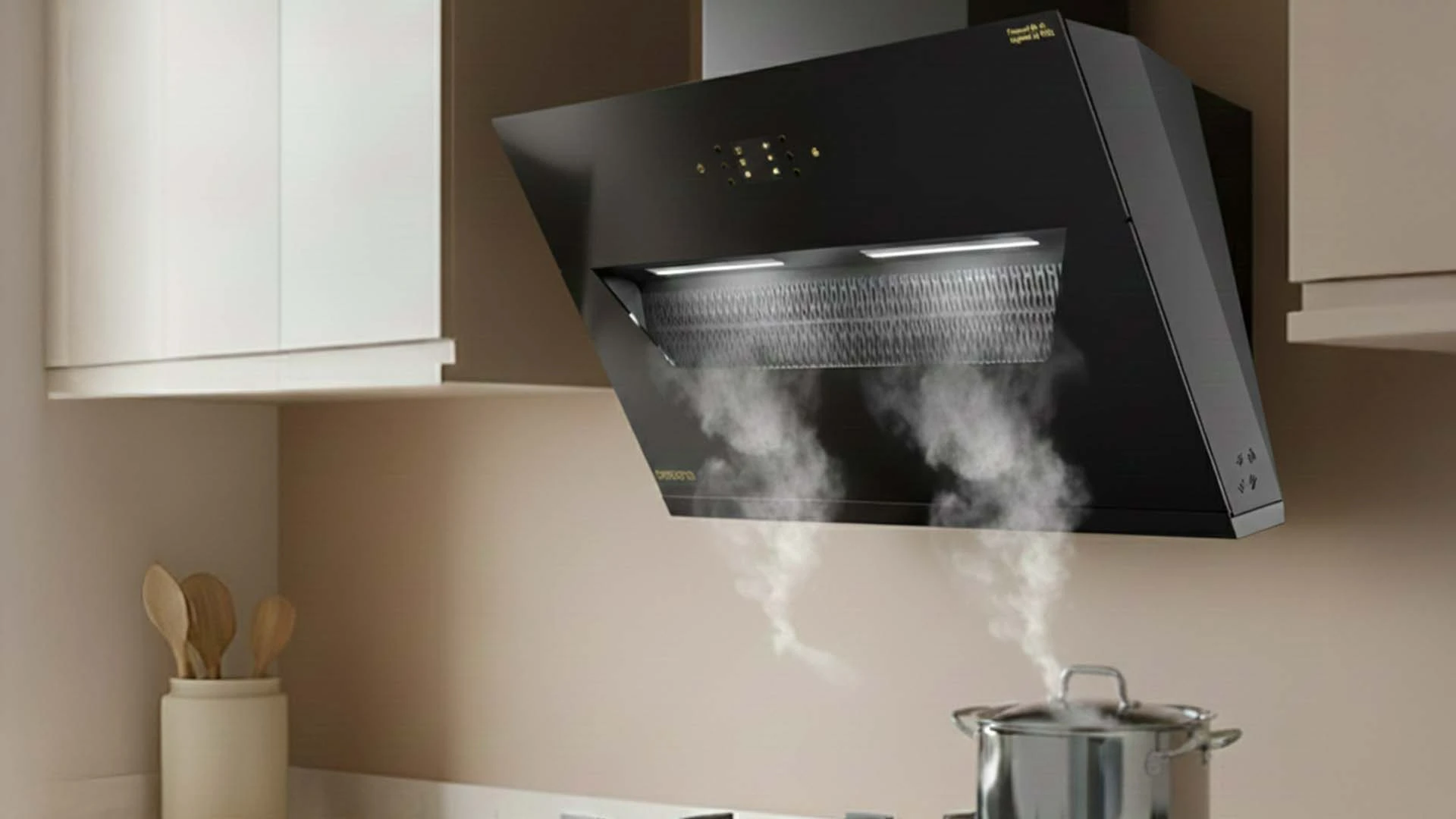
Choosing the right chimney for your home can feel overwhelming with so many options available today. Modern homes require effective chimney types for ventilation that not only remove smoke and odors but also enhance your kitchen's aesthetic appeal. The right ventilation systems protect your family's health while keeping your home fresh and comfortable. Whether you're renovating an existing kitchen or designing a new one, understanding different chimney options helps you make an informed decision that suits your cooking habits, space constraints, and budget. This guide explores various chimney styles and ventilation solutions to help you create the perfect cooking environment.
Effective chimney ventilation removes harmful pollutants, excess moisture, and cooking odors from your kitchen. Poor air ventilation can lead to respiratory problems, wall staining, and unpleasant odors throughout your home. Modern ventilation systems work by creating negative pressure that draws contaminated air away from cooking surfaces and expels it outside or filters it before recirculating. Proper house ventilation also prevents grease buildup on walls and cabinets, reducing cleaning time and maintenance costs. Energy-efficient chimneys help maintain comfortable indoor temperatures while minimizing electricity consumption. Investing in quality chimney types for ventilation protects your home's value and creates a healthier living environment for your family.
Selecting the right chimney depends on your kitchen layout, cooking frequency, and personal preferences. Different chimney styles offer unique advantages for various home configurations. Understanding these options helps you choose the most effective ventilation solutions for your specific needs.
Ducted chimneys connect to external venting systems that expel air outside your home. These systems provide superior ventilation performance compared to ductless alternatives. Box chimneys offer straightforward installation with powerful suction capabilities. T-shaped chimneys provide enhanced coverage for larger cooking surfaces while maintaining sleek profiles.
Ductless chimneys filter and recirculate air within your kitchen using advanced filtration systems. These compact chimney options work well in apartments or homes where external ducting isn't feasible. Multi-layer filters capture grease, smoke, and odors before returning clean air to your kitchen space.
Island chimneys mount from the ceiling to serve cooking areas located away from walls. Curved chimneys blend functionality with elegant aesthetics for modern chimney design preferences. Slant chimneys optimize space usage in kitchens with limited overhead clearance. Conical chimneys suit traditional home designs while providing effective ventilation performance.
Modern chimney design emphasizes clean lines, premium materials, and smart technology integration. Contemporary chimney options feature touch controls, LED lighting, and automatic sensors that adjust suction power based on cooking intensity. These advanced ventilation systems complement open-plan kitchen designs while maintaining optimal air quality. Compact chimney models maximize functionality in smaller spaces without compromising performance. Sleek glass and stainless steel finishes integrate seamlessly with modern appliances and cabinetry. Smart connectivity allows remote operation through smartphone apps, making these ventilation solutions both convenient and efficient. Color options range from classic stainless steel to bold black finishes that create striking focal points. Premium models include gesture controls and voice activation for hands-free operation during cooking. Energy-efficient LED lighting illuminates cooking surfaces while consuming minimal electricity.
Different installation methods affect ventilation efficiency and kitchen aesthetics. Wall-mounted chimneys provide excellent suction power when positioned correctly above cooking surfaces. Proper installation ensures optimal performance while maintaining safe clearances from heat sources.
Wall-mounted chimneys require adequate wall support and proper electrical connections. Installation height affects suction efficiency, with optimal positioning between 24-30 inches above gas cooktops. These chimney types for ventilation work best in traditional kitchen layouts with cooking areas against walls.
Island chimneys serve open kitchen layouts where cooking areas occupy central positions. These installations require structural ceiling support and careful planning for electrical and ducting connections. Ceiling-mounted options provide 360-degree ventilation coverage for large cooking surfaces.
Effective chimney ventilation depends on proper sizing and suction capacity. Suction power measured in cubic feet per minute (CFM) determines how quickly air moves through the system. Higher CFM ratings provide better ventilation for heavy cooking but may increase noise levels and energy consumption. Filter technology significantly impacts air cleaning effectiveness. Baffle filters use curved metal plates to separate grease from air streams. Cassette filters offer easy maintenance with removable aluminum mesh panels. Charcoal filters absorb odors in ductless systems but require regular replacement. Auto-clean technology reduces maintenance requirements by automatically cleaning internal components. Heat sensors adjust suction power based on cooking temperature, optimizing energy efficiency. Quiet operation features include sound-dampening materials and variable speed controls that minimize noise during low-intensity cooking.
Proper installation ensures maximum efficiency from your chosen ventilation systems. Professional installation guarantees compliance with building codes and electrical safety requirements. Ducting design affects airflow efficiency, with shorter, straighter paths providing better performance.
Electrical connections must meet local codes and safety standards. Ducting materials should resist corrosion and maintain smooth airflow paths. Proper sizing follows manufacturer specifications to ensure adequate ventilation capacity for your cooking habits.
Regular cleaning maintains optimal suction power and extends equipment life. Filter cleaning schedules depend on cooking frequency and food types. Monthly cleaning suits heavy cooking households, while quarterly maintenance works for occasional cooking. Professional servicing annually ensures continued efficiency and safety.
The primary chimney types for ventilation include ducted and ductless systems. Ducted chimneys expel air outside through venting systems, while ductless models filter and recirculate air. Popular styles include box, curved, island, T-shaped, slant, and conical designs that suit different kitchen layouts and aesthetic preferences.
Compact chimney models work excellently in smaller spaces. Slant chimneys optimize overhead clearance, while ductless systems eliminate external venting requirements. Wall-mounted options typically provide the best space efficiency for traditional small kitchen layouts.
Calculate suction capacity by multiplying your kitchen area by 10-12 for gas cooktops or 6-8 for electric cooktops. This gives you the minimum CFM rating needed. Heavy cooking requires higher capacity, while occasional cooking allows for lower ratings.
Ducted systems need filter cleaning every 2-4 weeks and annual professional servicing. Ductless chimneys require more frequent filter replacement, typically every 3-6 months for charcoal filters. All systems benefit from regular exterior cleaning and periodic motor maintenance.
Professional installation ensures safety, proper performance, and warranty coverage. Electrical connections, ducting design, and structural mounting require expertise. DIY installation may void warranties and create safety hazards if done incorrectly.
Choosing the right chimney types for ventilation requires careful consideration of your kitchen layout, cooking habits, and aesthetic preferences. Modern chimney design offers numerous ventilation solutions that combine functionality with style. Whether you prefer traditional ducted systems or innovative ductless options, proper sizing and professional installation ensure optimal performance. Regular maintenance keeps your chimney ventilation system working efficiently for years to come, protecting your home's air quality and your family's health.
