

How to Choose the Perfect Kitchen Chimney: Expert Guide
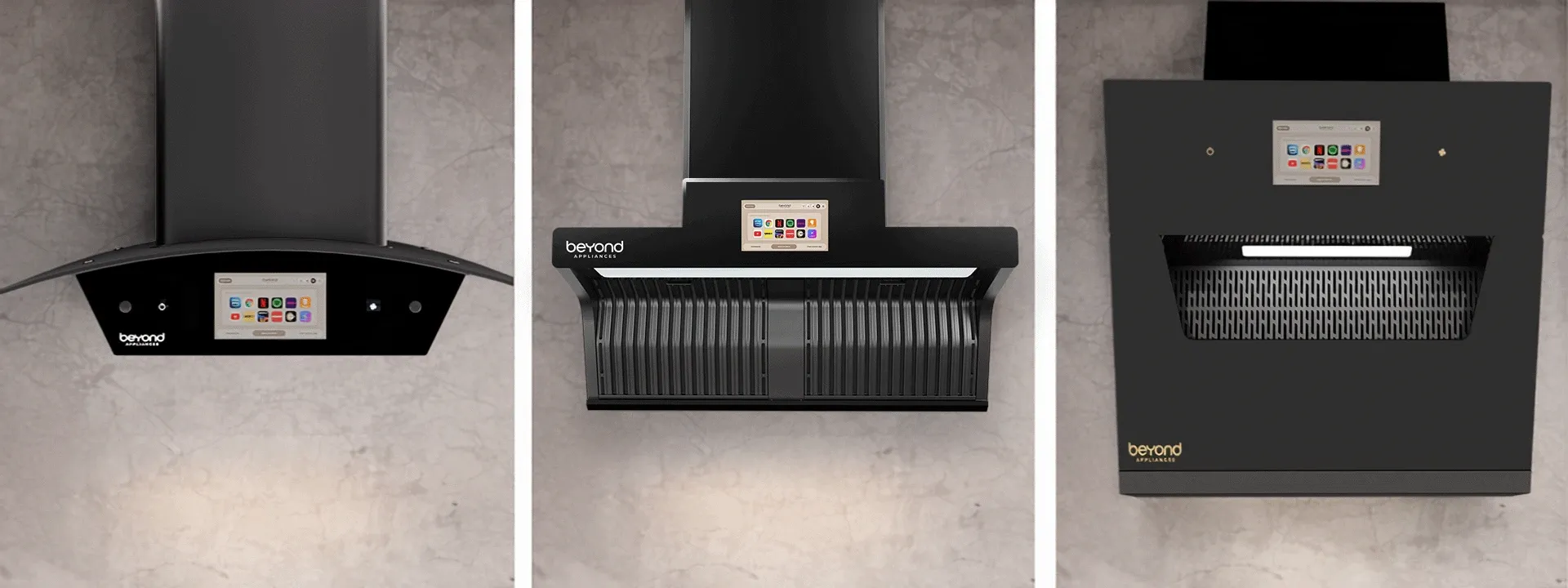
Choosing the right kitchen chimney can transform your cooking experience and keep your kitchen fresh and clean. With Indian cooking styles that involve heavy spices, oil, and intense heat, a good kitchen exhaust system becomes essential. The market offers various types of kitchen chimneys, from compact designs perfect for modern apartments to powerful ducted systems for larger homes. Understanding your specific needs, kitchen layout, and cooking habits will help you make an informed decision that enhances both functionality and aesthetics.
A kitchen chimney is a ventilation appliance designed to remove smoke, grease, odors, and airborne particles generated during cooking. These systems work by drawing contaminated air through filters and either expelling it outside or recirculating clean air back into the kitchen. For Indian households where daily cooking involves tempering spices and frying, proper kitchen ventilation becomes crucial for maintaining air quality and preventing grease buildup on walls and cabinets. The primary distinction lies between ducted and ductless systems. Duct vs ductless chimney options serve different installation requirements and performance needs. Ducted chimneys connect to external venting systems, providing superior air removal by expelling contaminated air outside. Ductless chimneys use advanced filtration to clean and recirculate air within the kitchen space.
Wall-mounted designs attach directly to the wall above your cooktop. These models work well for kitchens with standard layouts and offer excellent suction power. Available in various widths from 60cm to 90cm, they suit different kitchen sizes and cooking needs.
Ceiling-mounted or island chimneys hang from the ceiling above kitchen islands or peninsulas. These designs provide 360-degree air capture and work perfectly for open kitchen layouts where the cooking area sits away from walls.
Compact kitchen chimney models cater to smaller spaces without compromising performance. These sleek designs integrate seamlessly with modern kitchen aesthetics while providing adequate ventilation for apartments and smaller homes.
Selecting the perfect kitchen chimney requires careful evaluation of multiple factors that directly impact performance and satisfaction. Your cooking frequency, kitchen size, and specific needs should guide your decision-making process. Understanding these key considerations ensures you invest in a system that serves your household effectively for years. Kitchen size plays a fundamental role in determining chimney specifications. Measure your kitchen area and cooking zone to establish the minimum suction power requirements. Suction power typically ranges from 700 to 1500 cubic meters per hour, with higher ratings needed for larger spaces and frequent cooking.
Evaluate your daily cooking patterns and food preparation styles. Heavy Indian cooking with regular frying, tempering, and spice grinding requires more powerful ventilation than occasional light cooking. Consider the number of burners you typically use simultaneously and peak cooking times.
Kitchen chimneys range from INR 8,000 for basic models to INR 50,000 for premium systems with advanced features. Balance your budget with essential features like adequate suction power, quality filters, and reliable build quality. Factor in long-term costs including filter replacements and maintenance.
Modern kitchen chimneys serve as both functional appliances and design elements. Choose finishes and styles that complement your kitchen décor. Stainless steel offers durability and easy maintenance, while black glass provides contemporary elegance.
Proper sizing ensures optimal performance and energy efficiency from your kitchen chimney investment. The relationship between kitchen dimensions, cooking area, and chimney capacity determines how effectively the system removes smoke and odors. Following established guidelines helps you avoid undersized units that struggle with heavy cooking or oversized systems that waste energy. For kitchens under 150 square feet, a 60cm wide chimney typically provides adequate coverage. The chimney should extend at least 6 inches beyond each side of your cooktop for effective air capture. Measure your cooking surface and add 12 inches to determine minimum chimney width requirements.
Compact kitchen chimney options work perfectly for apartments and smaller homes. These units maintain powerful suction in space-efficient designs. Look for models with suction rates between 700-900 cubic meters per hour for kitchens up to 100 square feet.
Kitchens exceeding 200 square feet or open-plan layouts need 90cm chimneys with suction power above 1200 cubic meters per hour. Consider ceiling height when calculating air volume requirements, as higher ceilings demand more powerful systems.
Install your chimney 24-30 inches above the cooktop surface for optimal performance. This distance ensures effective air capture while providing adequate clearance for cooking activities. Adjust height based on your cooking style and safety requirements.
The choice between ducted and ductless systems significantly impacts installation complexity, performance, and long-term satisfaction. Each type offers distinct advantages depending on your kitchen layout, building restrictions, and performance expectations. Understanding these differences helps you select the most suitable option for your specific situation. Ducted chimneys provide superior air removal by expelling contaminated air directly outside through connected ductwork. These systems excel at handling heavy cooking loads and maintaining consistently fresh air quality. However, they require external venting access and more complex installation procedures.
Ducted systems offer maximum efficiency for removing smoke, grease, and odors completely from your kitchen space. They handle high-volume cooking better and require less frequent filter maintenance. Performance remains consistent regardless of cooking intensity or duration.
Ductless chimneys provide installation flexibility without requiring external venting modifications. These systems work well for apartments or homes where ductwork installation proves challenging. Advanced carbon filtration technology effectively removes odors and grease particles before recirculating clean air.
Indian cooking generates significant smoke and strong aromas that benefit from complete air removal. Ducted systems typically handle these challenges more effectively, especially during heavy frying or spice tempering. Ductless units work adequately for moderate cooking but may struggle with intense cooking sessions.
Proper installation ensures optimal performance and longevity from your kitchen chimney investment. Planning the installation process carefully prevents common issues and ensures compliance with safety requirements. Regular maintenance keeps your system operating efficiently while extending its useful life. Pre-installation planning involves checking electrical requirements, measuring installation space, and preparing necessary mounting hardware. Most chimneys require dedicated electrical connections and adequate structural support for safe mounting. Consider professional installation for complex setups or when dealing with ductwork modifications.
While basic wall-mounted installations may seem straightforward, professional installation ensures proper electrical connections and optimal positioning. Certified technicians understand local building codes and safety requirements. DIY installation risks improper mounting or electrical issues that could affect performance or safety.
Most kitchen chimneys require 220V electrical connections with proper grounding. Ducted systems need external venting access through walls or roofs. Plan ductwork routes to minimize bends and maintain adequate airflow. Use appropriate duct materials and sizes specified by the manufacturer.
Maintain your chimney through regular filter cleaning and inspection schedules. Baffle filters require monthly cleaning with warm soapy water, while carbon filters need replacement every 6-8 months. Check motor performance and clean external surfaces regularly to prevent grease buildup.
Modern kitchen chimneys incorporate advanced technologies that enhance performance, convenience, and user experience. Understanding these features helps you identify models that offer the best value and functionality for your specific needs. Technology improvements continue to make these appliances more efficient and user-friendly. Auto-clean technology represents a significant advancement in chimney maintenance. These systems use heat or oil collection mechanisms to reduce manual cleaning requirements. Heat-based auto-clean functions periodically heat internal components to burn off accumulated grease and oil residues.
Baffle filters provide superior grease separation and easy maintenance compared to traditional cassette filters. These multi-layered designs create turbulent airflow that effectively captures grease particles. Stainless steel construction ensures durability and dishwasher-safe cleaning convenience.
Touch controls and LED lighting enhance user convenience and kitchen aesthetics. Programmable timers allow automatic operation scheduling, while multiple speed settings provide precise airflow control. Energy-efficient LED lights illuminate cooking surfaces while consuming minimal power.
Quality chimneys operate below 58 decibels even at maximum speed settings. Sound dampening technologies and precision-balanced motors minimize operational noise. Consider noise levels especially important for open kitchen layouts where sound carries throughout living spaces.
Calculate suction power based on your kitchen size and cooking habits. For kitchens up to 150 square feet with moderate cooking, 700-900 cubic meters per hour suffices. Larger kitchens or heavy cooking require 1000-1500 cubic meters per hour. Consider your typical cooking intensity and frequency when making this decision.
Baffle filters use multiple curved panels to create turbulent airflow that separates grease more effectively than flat cassette filters. Baffle designs last longer, clean easier, and provide better filtration performance. Cassette filters cost less initially but require more frequent replacement and cleaning.
Basic wall-mounted installations are possible for experienced DIY enthusiasts, but professional installation ensures proper electrical connections and optimal positioning. Complex installations involving ductwork or ceiling mounting require professional expertise for safety and performance reasons.
Clean baffle filters monthly with warm soapy water or in the dishwasher. Replace carbon filters in ductless systems every 6-8 months depending on usage intensity. Regular cleaning maintains optimal performance and prevents motor strain from restricted airflow.
Small kitchens under 100 square feet typically need 60cm wide chimneys with 700-800 cubic meters per hour suction power. Ensure the chimney extends at least 6 inches beyond each side of your cooktop for effective air capture. Compact kitchen chimney designs work well for space-constrained installations.
Ductless chimneys work adequately for moderate Indian cooking but may struggle with heavy frying or intense spice preparation. These systems excel in apartments where ducted installation proves impossible. Choose models with high-quality carbon filters and adequate suction power for best results.
Selecting the perfect kitchen chimney requires balancing performance needs with installation constraints and budget considerations. Prioritize adequate suction power based on your kitchen size and cooking intensity. Consider ducted systems for superior performance or ductless options for installation flexibility. Invest in quality filters and regular maintenance to ensure long-term satisfaction and optimal air quality in your kitchen space.
