
How to Choose the Perfect Kitchen Chimney Design
Cart
Your cart is empty
Selecting the right kitchen chimney design can transform your cooking experience from smoky chaos to culinary bliss. With countless options flooding the Indian market, choosing kitchen chimney design becomes overwhelming for homeowners. The perfect chimney not only eliminates smoke and odors but also enhances your kitchen's aesthetic appeal. Modern Indian kitchens demand efficient ventilation solutions that handle heavy frying, spice grinding, and daily cooking activities. This comprehensive guide walks you through essential factors, design types, and technical specifications to help you make an informed decision for your dream kitchen.
The kitchen chimney market offers diverse design options, each suited for specific kitchen layouts and cooking requirements. Understanding these variations helps narrow down choices based on your space constraints and aesthetic preferences.
Wall-mounted designs represent the most popular choice for Indian kitchens. These units attach directly to the wall above your cooktop, offering excellent suction power and easy installation. T-shaped chimneys and curved chimneys fall into this category, providing efficient smoke extraction for heavy Indian cooking. The installation requires minimal structural modifications, making them ideal for existing kitchens.
Modern kitchen chimney options for open-plan layouts include ceiling-mounted island designs. These units hang from the ceiling above kitchen islands, creating a focal point while maintaining functionality. Installation requires robust ceiling support and proper ducting arrangements. The design works best in spacious kitchens with adequate clearance around the cooking area.
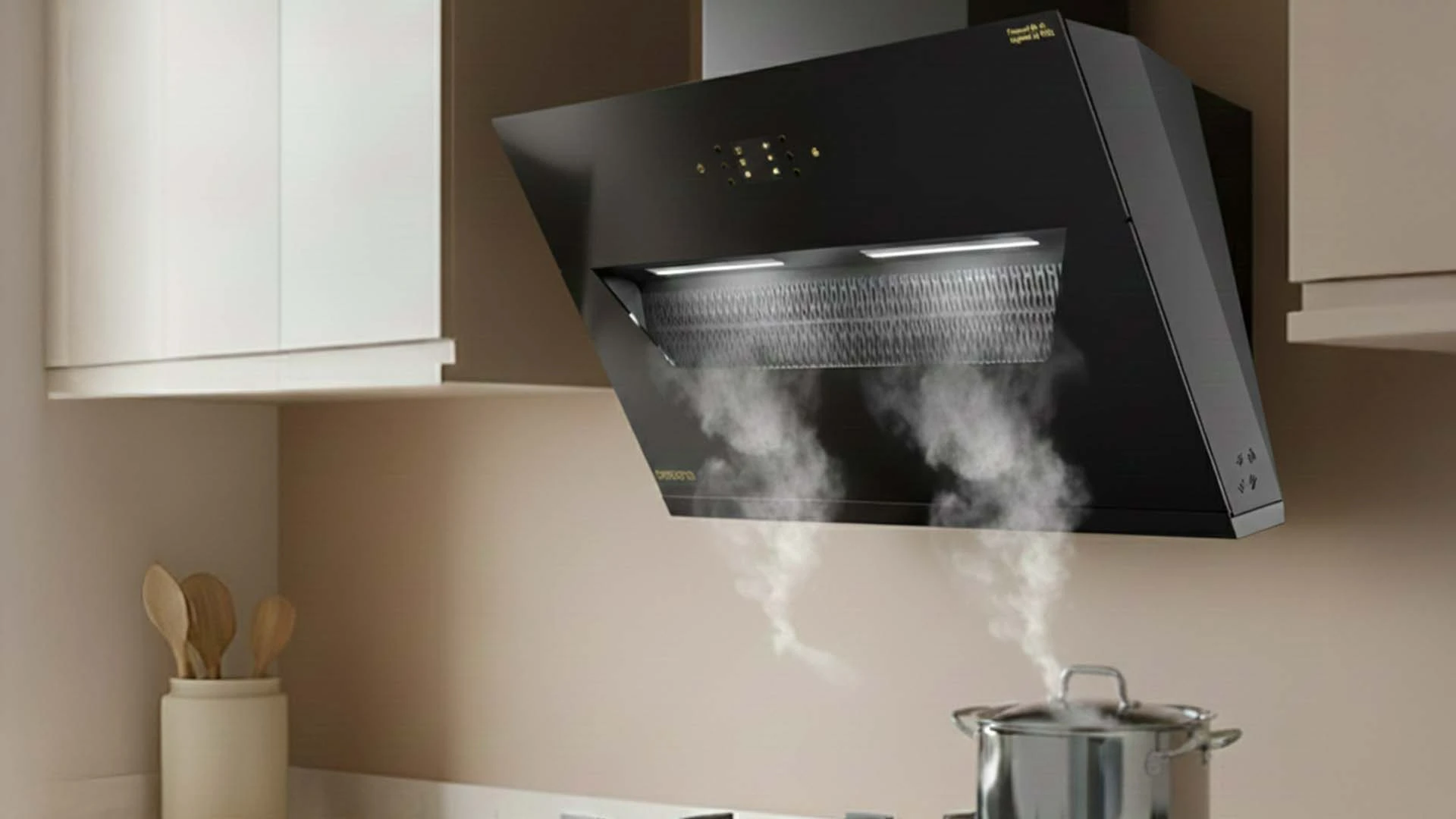
Compact kitchen chimney solutions cater to space-constrained Indian homes. These units integrate seamlessly with modular kitchen cabinets, maintaining clean lines and maximizing storage space. Slant or inclined chimneys offer excellent space utilization while providing adequate suction power. The design particularly suits small apartments and studio kitchens where every inch matters.
Contemporary designer chimney options elevate kitchen aesthetics with premium materials and finishes. Stainless steel offers durability and easy maintenance, while tempered glass provides modern appeal. Copper finishes add warmth and character to traditional kitchen designs. The choice depends on your kitchen's color scheme and overall design philosophy.
Selecting the perfect chimney involves evaluating multiple technical and practical considerations. These factors directly impact performance, maintenance, and long-term satisfaction with your investment.
Proper sizing ensures optimal performance and aesthetic balance in your kitchen. Measure your kitchen's length, width, and height accurately before selecting a chimney. The standard recommendation suggests chimney width should be 6 inches wider than your cooktop on each side. For a 60cm cooktop, choose a 70-75cm chimney for maximum efficiency.
Matching chimney dimensions to your cooking surface prevents smoke escape and ensures complete coverage. Two-burner stoves work well with 60cm chimneys, while three-burner setups require 75cm units. Four-burner cooktops need 90cm chimneys for comprehensive smoke capture. Undersized chimneys fail to contain cooking fumes effectively.
Indian cooking involves heavy oil usage, spice tempering, and high-heat preparations that generate substantial smoke and odors. Heavy frying requires chimneys with 800-1200 CFM capacity, while light cooking manages with 400-600 CFM units. Consider your family's cooking frequency and preferred preparation methods when determining suction requirements.
Understanding technical aspects helps evaluate different models objectively and select units that deliver consistent performance over years of use.
CFM (Cubic Feet per Minute) ratings indicate how much air the chimney can extract. Calculate your kitchen's volume and multiply by 10-12 for heavy cooking or 6-8 for light cooking to determine required CFM. Motor power typically ranges from 150-300 watts, with higher wattage providing stronger suction but consuming more electricity.
Baffle filters use curved metal plates to separate grease from air, offering superior performance and easy cleaning. Cassette filters use multiple layers but require frequent replacement. Android chimneys often feature advanced filtration systems that combine both technologies. Choose filters based on your maintenance preferences and cooking intensity.
Ductless chimneys recirculate filtered air back into the kitchen, eliminating external ducting requirements. These units work well in apartments where external venting isn't feasible. However, they're less effective than ducted systems for heavy Indian cooking. Consider ductless options only if ducted installation is impossible.
Balancing features, performance, and budget requires careful evaluation of available options across different price segments.
Entry-level chimneys starting around INR 8,000-15,000 offer basic functionality with manual controls and standard filters. Mid-range options (INR 15,000-30,000) include touch controls, LED lighting, and better build quality. Premium units (INR 30,000+) feature advanced automation, superior materials, and extended warranties.
Established brands offer better after-sales service and spare parts availability. Look for comprehensive warranties covering motor, filters, and electrical components. Extended warranty options provide additional peace of mind for expensive installations. Research service center locations in your area before making final decisions.
Energy-efficient models consume 150-200 watts during operation, significantly lower than older designs. LED lighting reduces power consumption compared to halogen bulbs. Calculate annual operating costs based on daily usage hours and local electricity rates. Energy-efficient units offset higher purchase prices through reduced operating expenses.
Proper installation ensures optimal performance and prevents future problems that could compromise functionality or safety.
Electrical connections require dedicated circuits with proper grounding for safety. Ducting installation needs external wall access or roof venting depending on kitchen location. Installation height should be 24-30 inches above gas cooktops and 20-24 inches above electric surfaces. Professional installation ensures compliance with safety codes and optimal performance.
Coordinate chimney finishes with cabinet hardware and appliance colors for cohesive appearance. Stainless steel complements modern designs, while black glass suits contemporary themes. Consider lighting integration to enhance task illumination over cooking surfaces. The chimney should complement rather than dominate your kitchen's visual appeal.
Incorrect sizing leads to poor performance and aesthetic imbalance. Inadequate electrical supply causes motor strain and premature failure. Poor ducting design reduces efficiency and increases noise levels. Ensure adequate clearance around the unit for maintenance access and safe operation.
Measure your kitchen area and multiply by 10-12 for the required CFM rating. The chimney width should exceed your cooktop width by 6 inches on each side. Consider ceiling height and available wall space for proper installation clearance.
Wall-mounted chimneys with baffle filters and 800+ CFM capacity handle heavy frying and spice cooking effectively. Look for heat-resistant materials and powerful motors designed for continuous operation during extended cooking sessions.
Clean filters monthly with warm soapy water or dishwasher cleaning. Wipe external surfaces weekly with appropriate cleaners. Schedule professional servicing annually for motor inspection and internal cleaning. Replace worn filters promptly to maintain efficiency.
Ductless chimneys work without external venting but offer reduced efficiency compared to ducted systems. They're suitable for light cooking but may struggle with heavy Indian preparations. Consider ducted installation whenever possible for optimal performance.
Quality chimneys range from INR 15,000-40,000 depending on features and brand. Factor in installation costs (INR 2,000-5,000) and potential electrical work. Premium features like touch controls and advanced filtration justify higher prices through improved convenience and performance.
Choosing kitchen chimney design requires balancing performance, aesthetics, and budget considerations specific to your cooking needs. Proper sizing ensures effective smoke extraction while complementing your kitchen's design theme. Technical specifications like CFM rating and filter type directly impact long-term satisfaction and maintenance requirements. Professional installation and regular maintenance maximize your investment's lifespan and performance. Consider your cooking style, kitchen layout, and aesthetic preferences when evaluating different options to find the perfect chimney for your home.
