

How to Choose the Perfect Designer Chimney for Home
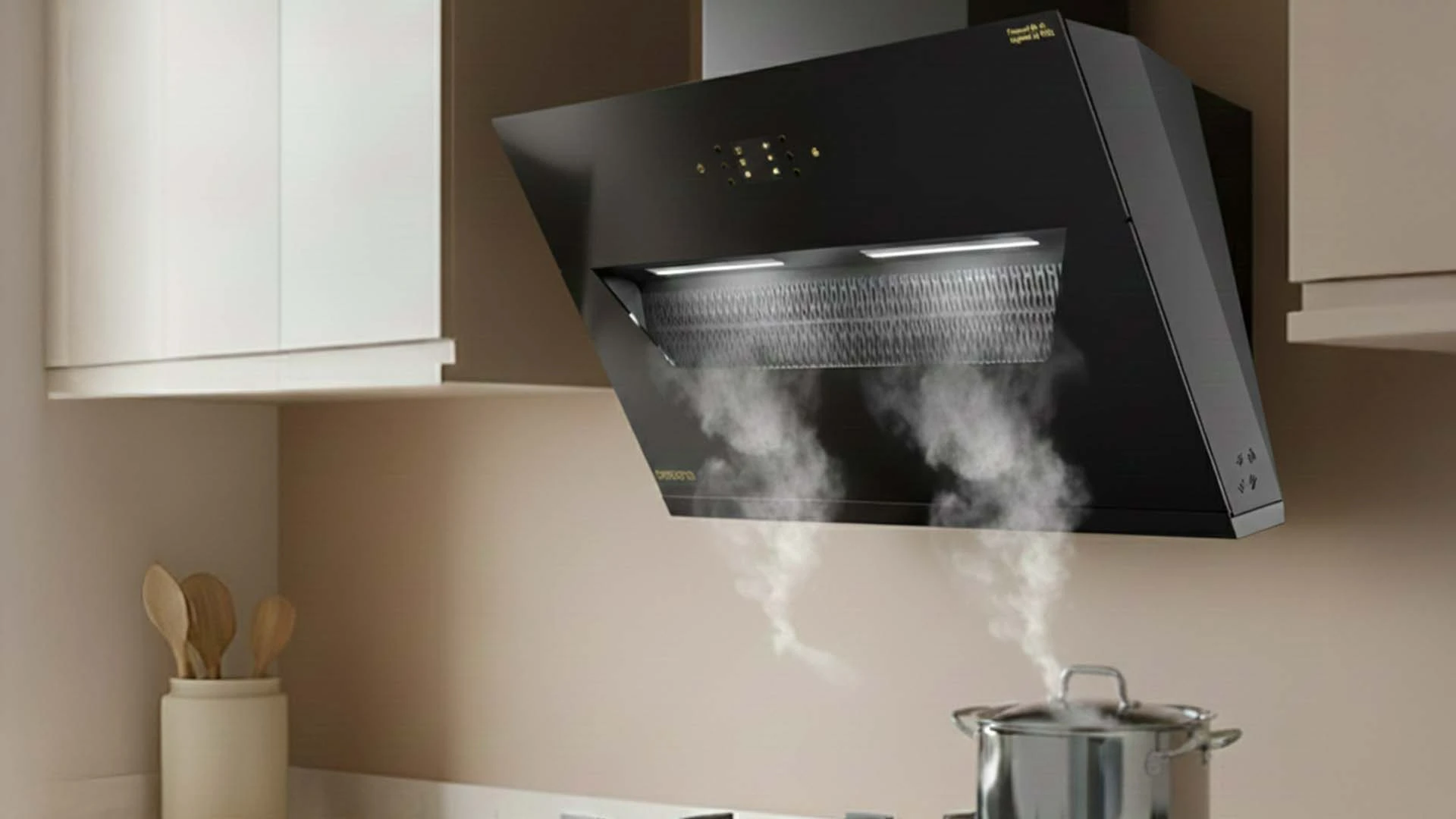
Selecting the right designer chimney for your home involves balancing style, functionality, and practical considerations. Modern kitchens demand appliances that not only perform exceptionally but also enhance the overall aesthetic appeal. A well-chosen designer chimney becomes a focal point that seamlessly integrates with your kitchen's design while efficiently managing smoke, odors, and grease. Understanding the various options available and matching them to your specific needs ensures you make an investment that serves your household for years to come.
Designer chimneys represent the perfect fusion of form and function in modern kitchen appliances. These sophisticated units go beyond basic smoke extraction to become statement pieces that complement contemporary kitchen designs. The key lies in understanding how different chimney types work with various kitchen layouts and cooking styles.
A designer chimney distinguishes itself through premium materials, sleek profiles, and advanced features. These units typically feature stainless steel construction, tempered glass panels, and sophisticated control systems. The aesthetic appeal comes from clean lines, minimal visual bulk, and finishes that coordinate with modern appliances.
The wall mounted chimney remains the most common choice for traditional kitchen layouts. These units attach directly to the wall above your cooktop and work well in galley or L-shaped kitchens. For open-plan homes, an island chimney creates a stunning centerpiece while providing powerful extraction over cooking islands. T-shaped and curved models offer unique visual appeal while maintaining excellent performance.
Successful chimney selection requires careful consideration of your kitchen's specific requirements. Size, cooking habits, and installation constraints all play crucial roles in determining the ideal model. Taking time to evaluate these factors prevents costly mistakes and ensures optimal performance.
Measuring your kitchen accurately helps determine appropriate chimney dimensions. A chimney for small kitchen spaces requires careful planning to avoid overwhelming the area. Compact chimney design options provide powerful extraction in streamlined profiles that suit smaller cooking areas perfectly.
Indian cooking generates significant smoke and odors, requiring robust extraction capabilities. Heavy cooking with oils and spices demands higher CFM ratings, typically 1000 or above. Light cooking styles can work effectively with 600-800 CFM models. Consider your family's cooking frequency and preferred cuisine types when evaluating suction requirements.
The choice between ducted chimney and ductless chimney systems depends on your home's ventilation possibilities. Ducted models offer superior performance by expelling air outside, while ductless units filter and recirculate air internally. Apartments often require ductless solutions due to building restrictions.
Modern designer chimneys incorporate advanced technologies that improve both functionality and user experience. Understanding these features helps you identify models that offer the best value for your investment. Smart features and automated systems make kitchen management more convenient.
Auto-clean technology reduces maintenance requirements by using heat to break down grease deposits. Multiple speed settings allow you to adjust extraction power based on cooking intensity. Heat sensors automatically increase fan speed when temperatures rise, providing protection and improved efficiency.
A stylish chimney enhances your kitchen's visual appeal through carefully chosen materials and finishes. Stainless steel offers durability and easy cleaning, while black glass creates a sophisticated appearance. LED lighting illuminates the cooking surface while adding ambient lighting to the kitchen space.
Smaller kitchens present unique challenges that require thoughtful chimney selection. The right model maximizes extraction efficiency without overwhelming the available space. Smart design choices help maintain an open, uncluttered feeling even in compact cooking areas.
Slim profile models reduce visual bulk while maintaining powerful extraction capabilities. Some compact chimney design options feature foldable components that retract when not in use. These space-saving innovations work particularly well in studio apartments or galley kitchens where every inch matters.
Proper placement becomes critical in smaller kitchens to ensure optimal performance. Corner installations can work effectively when wall space is limited. Ductless models often provide the best solution for apartments where external venting isn't possible.
The latest modern kitchen chimney models incorporate smart connectivity and energy-efficient operation. These technological advances improve user convenience while reducing environmental impact. Understanding current trends helps you choose a model that remains relevant for years to come.
Wi-Fi enabled models allow remote control through smartphone apps. Some units integrate with smart home systems for automated operation based on cooking schedules. Voice control compatibility adds convenience for hands-free operation during cooking.
LED lighting consumes significantly less energy than traditional bulbs while providing better illumination. Variable speed motors adjust power consumption based on actual extraction needs. Energy-efficient models help reduce electricity costs while maintaining excellent performance.
Proper installation ensures optimal performance and safety compliance. Professional installation typically includes electrical connections, ducting setup, and safety checks. Understanding maintenance requirements helps preserve your investment and maintain peak performance over time.
Electrical requirements vary by model, with most units requiring dedicated circuits for safe operation. Ducting installation must comply with local building codes and safety standards. Professional installers ensure proper mounting and ventilation for optimal performance.
Regular cleaning maintains extraction efficiency and prevents grease buildup. Filter replacement schedules vary by model and usage intensity. Auto-clean features reduce manual maintenance requirements but don't eliminate the need for periodic deep cleaning.
Chimney width should match or exceed your cooktop width by at least 6 inches on each side. For a 4-burner gas stove, choose a 60cm or 90cm wide chimney depending on your kitchen size and cooking intensity.
Ducted chimneys offer better performance for heavy cooking but require external venting. Ductless models work well for apartments and light cooking, using filters to clean and recirculate air.
Indian cooking typically requires 1000+ CFM suction power due to heavy use of oils and spices. Smaller kitchens can work with 800 CFM if cooking is moderate.
Clean filters monthly for heavy cooking or every 2-3 months for moderate use. Auto-clean models require less frequent manual cleaning but still need periodic maintenance.
Professional installation is recommended for safety and warranty compliance. Electrical connections and ducting require proper expertise to ensure safe operation.
Choosing the perfect designer chimney requires balancing aesthetic preferences with practical performance needs. Consider your kitchen size, cooking style, and installation constraints when evaluating options. Modern features like auto-clean technology and smart connectivity add convenience but shouldn't overshadow basic performance requirements. Professional installation and regular maintenance ensure your investment provides years of reliable service while enhancing your kitchen's style and functionality.
