

How to Choose the Perfect Cooktop for Renovation
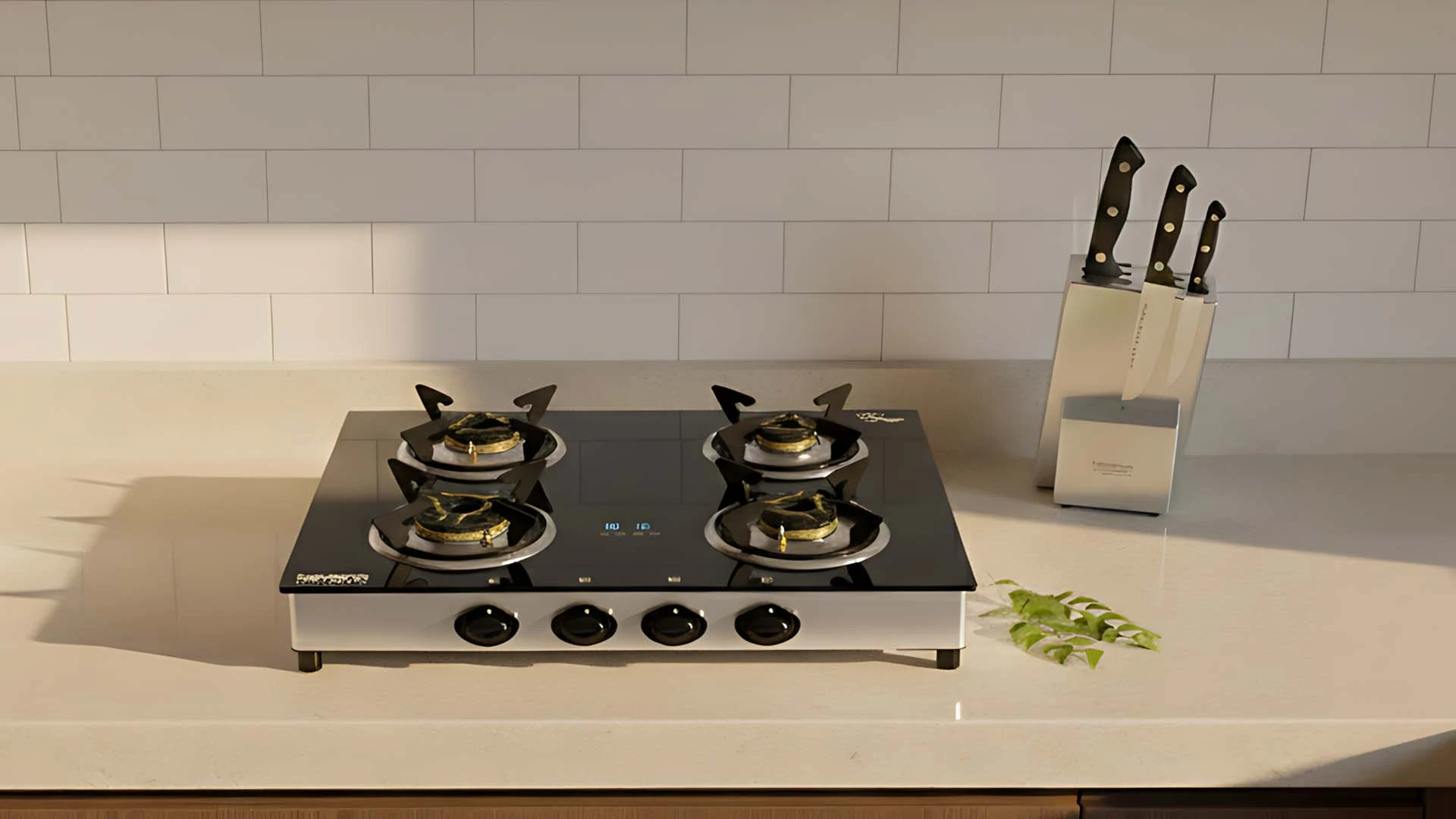
Renovating your kitchen brings excitement and countless decisions. One of the most important choices you'll make is selecting the right cooktop and hob for renovation. This decision impacts your cooking experience, kitchen aesthetics, and home value for years to come. Whether you're upgrading from an old gas stove or installing your first modern cooking surface, understanding your options helps you make the best choice. The right cooktop transforms your kitchen into a functional, beautiful space that matches your lifestyle and cooking needs.
Choosing the right cooking surface starts with understanding the three main types available today. Each type offers unique benefits and considerations for your renovation project. Gas, electric, and induction cooktop options provide different cooking experiences and installation requirements.
A gas hob remains popular for its instant heat control and visual flame feedback. Modern gas cooktops feature sleek designs with sealed burners and continuous grates. BTU ratings typically range from 5,000 to 18,000, giving you precise temperature control for different cooking techniques. Safety features include automatic ignition and flame failure protection that shuts off gas flow if flames extinguish.
An electric cooktop offers consistent heating and easy maintenance. Ceramic glass surfaces provide smooth, easy-to-clean cooking areas with radiant heating elements underneath. These units require 240-volt electrical connections and offer features like hot surface indicators and residual heat warnings. Electric options work well in homes without gas lines or where gas installation proves challenging.
Induction technology heats cookware directly through magnetic fields, making it the most energy-efficient option. These modern cooktops heat up quickly and cool down immediately when cookware is removed. You'll need magnetic cookware like cast iron or stainless steel. Induction units offer precise temperature control and safety features that make them ideal for busy kitchens.
Proper sizing ensures your new cooking surface fits perfectly in your renovated kitchen. Standard measurements and clearance requirements help you plan the installation space effectively. Consider both the cooktop itself and surrounding counter space for safe, comfortable cooking.
A compact hob maximizes cooking capability in limited space. These units typically measure 24 to 30 inches wide and feature two to four burners. Despite their smaller size, compact models offer full cooking functionality with features like dual-ring burners and precise controls. They work perfectly in apartments, small homes, or secondary cooking areas.
Most cooktop dimensions range from 30 to 36 inches wide, with 30-inch models being most common. Depth typically measures 20 to 22 inches, requiring cutouts slightly smaller than the unit itself. Plan for minimum clearances of 30 inches above the cooking surface and 6 inches from combustible side walls. These measurements ensure safe operation and proper ventilation.
Today's cooking surfaces offer advanced features that enhance safety, convenience, and cooking performance. Understanding these hob features helps you choose options that match your cooking style and family needs. Modern technology brings restaurant-quality capabilities to home kitchens.
Advanced safety systems protect your family and home. Auto-ignition eliminates the need for matches or lighters on gas models. Child safety locks prevent accidental activation, while timer functions automatically shut off burners after set periods. Temperature sensors monitor heat levels and adjust automatically for consistent results.
Sleek finishes complement your renovation's style. Stainless steel surfaces resist fingerprints and match most appliances. Black glass creates dramatic, modern looks that hide minor scratches. Cast iron grates on gas models provide professional appearance and excellent heat distribution. Control placement varies from front-mounted knobs to touch controls integrated into the surface.
Successful cooktop installation requires careful planning and professional expertise. Electrical, gas, and ventilation connections must meet local building codes. Planning these requirements early in your renovation prevents delays and additional costs. Professional installation ensures safety and warranty compliance.
Gas connections require licensed technicians to ensure proper pressure and leak-free joints. Electric models need dedicated 240-volt circuits with appropriate amperage ratings. Ventilation systems must coordinate with your cooktop choice, especially for high-BTU gas units. Building permits may be required for electrical or gas modifications.
Cooktop prices range from INR 15,000 for basic electric models to INR 80,000 for premium induction units. Installation costs add INR 5,000 to INR 15,000 depending on complexity. Gas line modifications cost INR 8,000 to INR 20,000, while electrical upgrades range from INR 10,000 to INR 25,000. Factor in these costs when planning your renovation budget.
Proper maintenance extends your cooktop's lifespan and maintains optimal performance. Understanding common issues and hob repair needs helps you budget for long-term ownership costs. Regular care prevents major problems and keeps your cooking surface looking new.
Daily cleaning prevents buildup that can damage surfaces or affect performance. Use appropriate cleaners for your cooktop type - ceramic glass cleaners for electric models, mild detergents for gas grates. Check gas connections annually and clean burner ports regularly. Electric elements should be inspected for cracks or damage that could cause uneven heating.
Minor issues like clogged gas ports or scratched surfaces often require simple repairs. However, cracked ceramic surfaces, faulty electrical elements, or gas valve problems may warrant replacement. Consider the age of your unit and repair costs versus new cooktop prices. Units over 10 years old with major problems often benefit from replacement during renovation.
These terms refer to the same appliance - a cooking surface with burners or heating elements. "Cooktop" is more common in North America, while "hob" is preferred in other regions. Both describe built-in or countertop cooking surfaces separate from ovens.
Induction cooktops heat fastest, bringing water to boil in nearly half the time of gas or electric models. Gas provides instant flame but takes longer to heat cookware. Electric cooktops, especially older coil types, heat most slowly.
Installation depends on your kitchen's electrical and gas infrastructure. Electric models need 240-volt circuits, while gas units require proper gas lines and ventilation. Consult professionals to determine what modifications your renovation requires.
Measure your available counter space and consider your cooking needs. Standard 30-inch models suit most kitchens, while compact options work in smaller spaces. Ensure adequate clearance around the unit for safety and ventilation.
Induction offers superior energy efficiency, precise control, and safety features. Higher upfront costs are offset by lower operating expenses and enhanced cooking performance. They're ideal for serious cooks and families prioritizing safety.
Selecting the perfect cooktop and hob for renovation requires balancing your cooking needs, kitchen space, and budget. Gas models offer instant control and familiar cooking experience, while electric options provide easy maintenance and consistent heating. Induction technology delivers the most advanced features with superior efficiency and safety. Consider installation requirements early in your planning process to avoid delays and unexpected costs. Professional installation ensures safety and optimal performance, making it a worthwhile investment for your kitchen renovation project.
