

How to Choose the Perfect Cooktop: A Step Guide
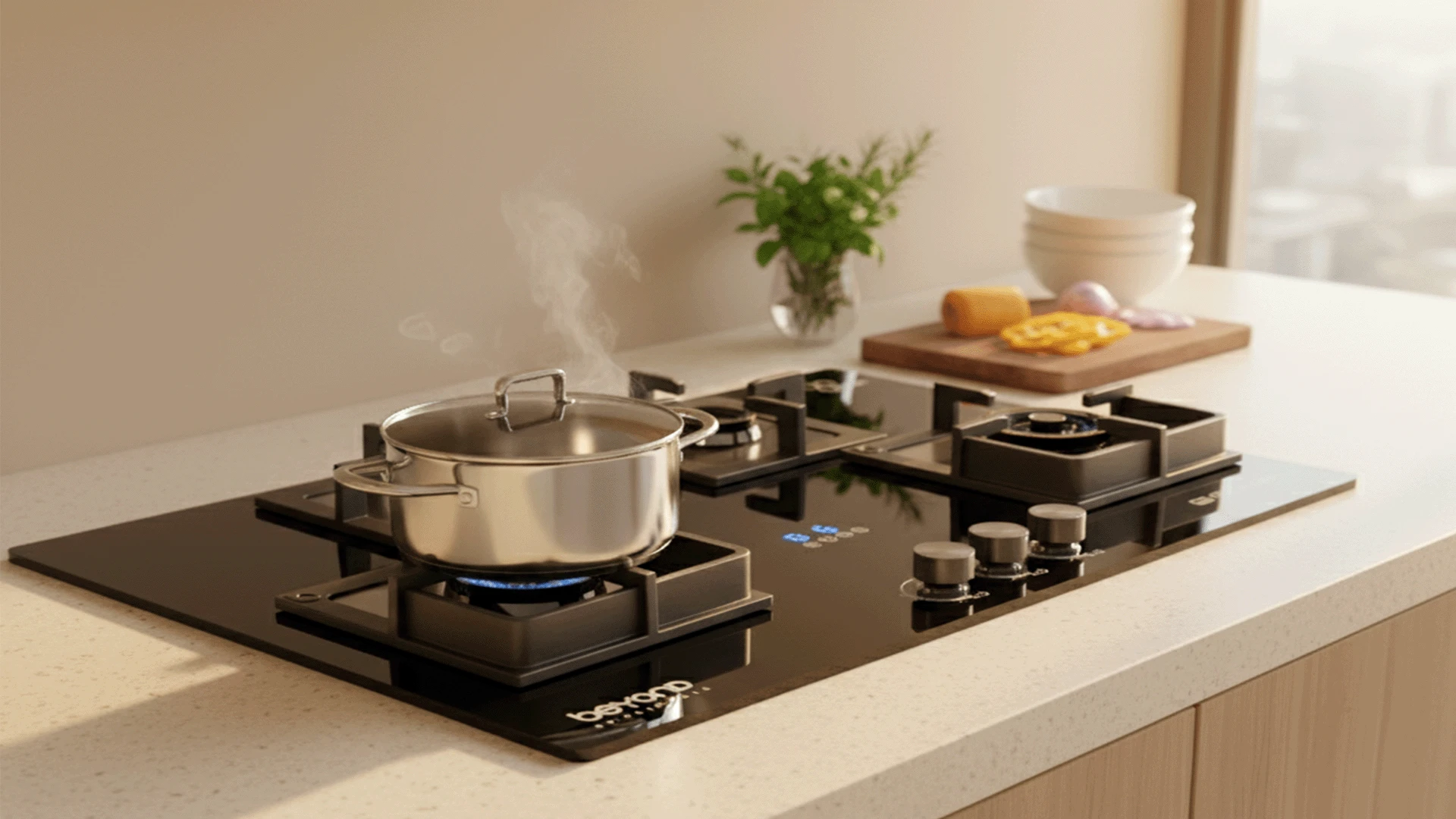
Choosing the right cooktop transforms your cooking experience and enhances your kitchen's functionality. With numerous options available in today's market, from traditional gas models to modern induction technology, selecting the best cooktops and hobs requires careful consideration of your cooking habits, kitchen layout, and budget. This comprehensive guide walks you through every aspect of cooktop selection, helping you make an informed decision that will serve your culinary needs for years to come. Whether you're renovating your kitchen or upgrading your current setup, understanding the differences between various cooktop types ensures you invest in the perfect cooking solution.
The foundation of choosing the perfect cooktop lies in understanding the three main technologies available today. Each type offers distinct advantages and suits different cooking styles and kitchen requirements. Modern kitchens benefit from the variety of options, allowing homeowners to select based on their specific needs and preferences.
Gas cooktops remain the preferred choice for many home cooks due to their instant heat control and visible flame. The immediate response when adjusting temperature settings provides precise cooking control that professional chefs appreciate. Modern gas models feature improved safety mechanisms, including automatic ignition systems and flame failure protection. These cooktops come in various configurations, from compact 2-burner models perfect for small kitchens to expansive 5-burner units for serious cooking enthusiasts. The burner arrangement typically includes different sizes to accommodate various pot and pan dimensions, with high-output burners for rapid boiling and gentle simmer burners for delicate sauces.
Induction cooktops represent the latest advancement in cooking technology, using electromagnetic fields to heat cookware directly. This method achieves remarkable energy efficiency, with up to 90% of generated energy transferred to the cooking vessel compared to 40-50% for gas models. The precise temperature control and rapid heating capabilities make induction ideal for both quick weeknight meals and elaborate cooking projects. Compact cooktops using induction technology fit seamlessly into modern kitchen designs while providing professional-level performance.
Electric cooktops offer consistent heating and straightforward installation requirements. Modern ceramic glass surfaces provide easy cleaning and sleek aesthetics that complement contemporary kitchen designs. These units heat evenly across the cooking surface, making them excellent for tasks requiring steady, consistent temperatures. Countertop cooktops in electric configurations provide portable cooking solutions perfect for apartments, outdoor cooking, or supplemental kitchen capacity during large meal preparations.
Selecting the ideal cooktop involves evaluating multiple factors that impact both daily cooking experiences and long-term satisfaction. Understanding these considerations helps narrow down options and focus on models that truly meet your specific requirements.
Your kitchen's physical dimensions significantly influence cooktop selection. Compact cooktops work perfectly in smaller spaces, offering full functionality without overwhelming the available counter area. Standard cooktop dimensions typically range from 24 inches for smaller models to 36 inches for larger configurations. Built-in installations create seamless integration with countertops, while portable cooktops provide flexibility for renters or those preferring non-permanent solutions. Consider ventilation requirements and clearance specifications when planning your cooktop placement.
Your cooking style directly impacts which cooktop type serves you best. Frequent high-heat cooking benefits from gas burners' instant response, while precision cooking tasks favor induction's exact temperature control. Multiple burner configurations accommodate simultaneous cooking of various dishes. Consider your typical meal preparation patterns. Large families or entertainment cooking requires more burners and higher heat output capabilities. Single-person households might find 2-3 burner models perfectly adequate.
Initial purchase prices vary significantly between cooktop types and brands. Gas models typically offer the lowest upfront costs, while induction units command premium pricing due to advanced technology. However, operating costs tell a different story, with induction proving most economical over time due to superior energy efficiency. Factor in installation requirements, as gas connections might require professional plumbing work, while electric models need appropriate electrical circuits. Extended warranty options and after-sales service support add value to your investment.
The cooktop market features numerous manufacturers offering various quality levels and price points. Understanding brand reputations and model specifications helps identify options that deliver reliable performance and lasting value.
Best cooktops brands typically offer superior build quality, advanced features, and comprehensive warranty coverage. Premium models include sophisticated control systems, multiple burner sizes, and enhanced safety features. These units often feature stainless steel construction, precise temperature controls, and professional-grade performance capabilities. High-end models frequently include smart connectivity, allowing remote monitoring and control through smartphone applications. Timer functions, preset cooking programs, and automatic shut-off features enhance both convenience and safety.
Budget-conscious buyers can find excellent modern cooktops that deliver essential functionality without premium pricing. These models focus on core performance features while omitting luxury additions. Quality construction and reliable operation remain priorities, ensuring long-term satisfaction despite lower initial investment. Entry-level options often provide excellent starting points for first-time homeowners or those with basic cooking needs. Many budget models offer surprising performance capabilities and attractive designs that complement modern kitchen aesthetics.
Proper installation ensures optimal performance and safety for any cooktop type. Understanding installation requirements helps plan your kitchen upgrade and budget for professional services when necessary.
Gas cooktop installation requires proper gas line connections and leak testing by certified technicians. Electrical models need appropriate circuit capacity and proper grounding for safe operation. Ventilation requirements vary by cooktop type and local building codes. Built-in models require precise cutout dimensions and proper support structures. Professional installers ensure compliance with safety regulations and manufacturer specifications, protecting both warranty coverage and household safety.
Modern cooktops incorporate numerous safety features including automatic shut-off systems, child safety locks, and overheat protection. Induction models offer additional safety through cool-to-touch surfaces that only heat compatible cookware. Regular maintenance preserves performance and extends cooktop lifespan. Gas models require periodic burner cleaning and gas line inspections. Electric and induction units benefit from gentle surface cleaning and control panel care.
Cooktop reviews consistently highlight performance differences between various technologies and brands. Real-world testing reveals how different models handle common cooking tasks and daily use scenarios.
Effective heat distribution ensures even cooking results and prevents hot spots that can burn food. Gas burners provide concentrated heat that works well with traditional cookware, while induction offers precise heat zones that match cookware dimensions exactly. Boiling times, simmering stability, and temperature accuracy vary significantly between cooktop types. Induction typically achieves fastest heating, while gas provides most responsive temperature adjustments.
Control design impacts daily cooking convenience significantly. Touch controls offer sleek aesthetics and easy cleaning, while traditional knobs provide tactile feedback and operation during power outages. Digital displays enhance precision but may complicate operation for some users. Timer functions, preset programs, and safety lockouts add convenience and peace of mind. Consider which features align with your cooking habits and technical comfort level.
Induction cooktops achieve the highest energy efficiency, converting approximately 90% of electrical energy into cooking heat. Gas cooktops follow at around 40-50% efficiency, while traditional electric models typically achieve 65-70% efficiency ratings.
Electric cooktop installation is possible for experienced DIY enthusiasts with proper electrical knowledge. Gas cooktop installation requires professional technicians due to safety regulations and gas line connections. Always check local codes and manufacturer requirements.
Induction requires magnetic cookware materials including cast iron, carbon steel, and magnetic stainless steel. Aluminum, copper, and non-magnetic stainless steel won't work unless they have magnetic bases specifically designed for induction cooking.
3-burner models suit smaller kitchens and basic cooking needs, typically costing less and requiring minimal counter space. 4-burner configurations provide more cooking flexibility for larger families and complex meal preparation requirements.
Gas cooktops typically last 15-20 years with proper maintenance. Electric models average 13-15 years, while induction cooktops, being newer technology, are expected to last 10-15 years based on current data and component quality.
Choosing the perfect cooktop requires balancing performance needs, kitchen constraints, and budget considerations. Gas models excel in responsive heat control and lower upfront costs. Induction technology offers superior efficiency and precise temperature management. Electric options provide reliable performance with straightforward installation requirements. Consider your cooking habits, kitchen size, and long-term value when making your decision. Professional installation ensures safety and optimal performance regardless of cooktop type. Quality brands offer better durability, warranty coverage, and after-sales support that justify higher initial investments. The best cooktops and hobs ultimately depend on your specific needs and preferences. Take time to evaluate different options, read user reviews, and consider professional consultation to make the most informed choice for your kitchen upgrade.
