

How to Choose the Perfect Compact Chimney Size
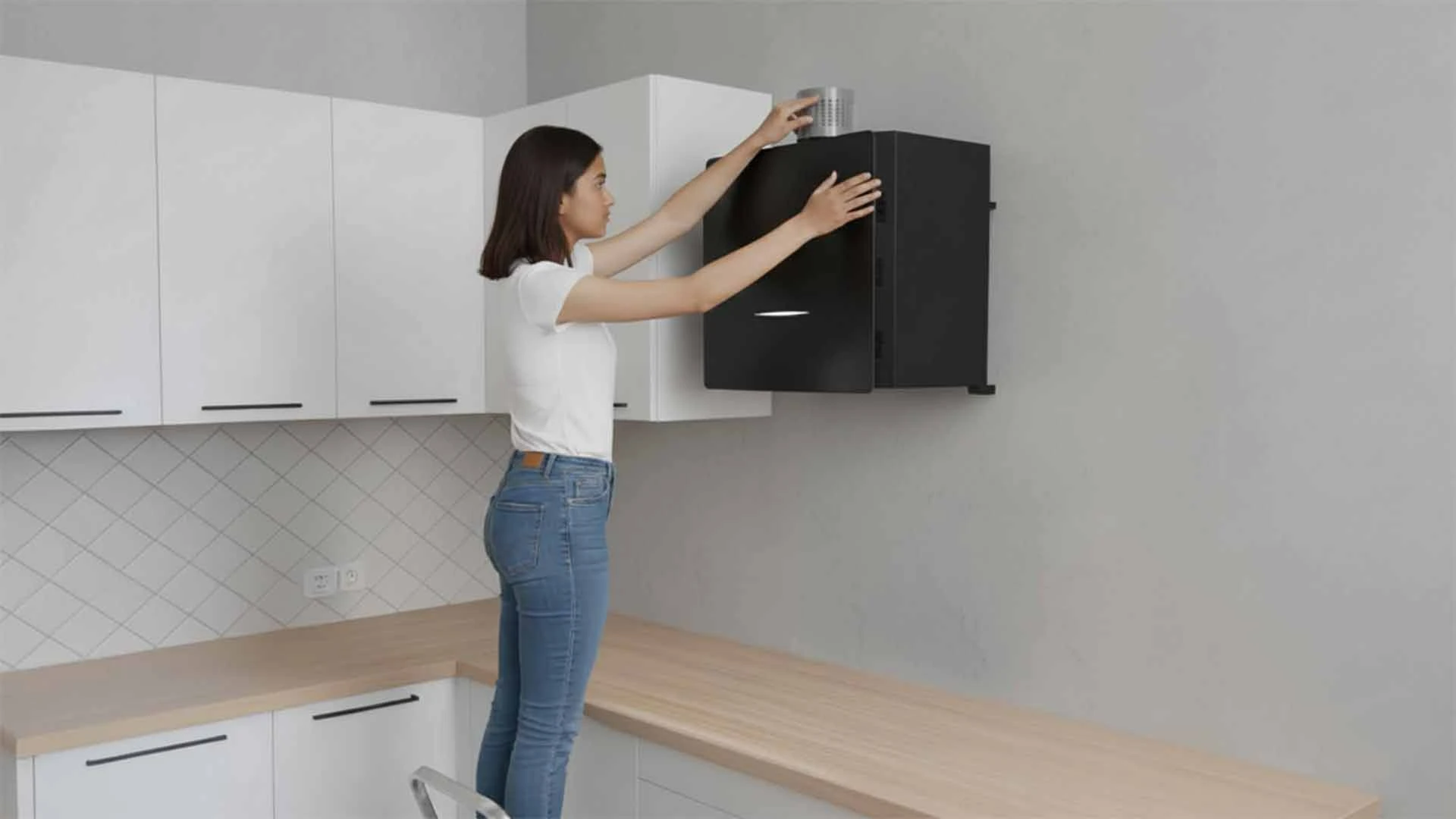
Selecting the right compact chimney size for your kitchen can feel overwhelming, especially when space is limited. Modern homes often feature smaller kitchens that require smart ventilation solutions without compromising on efficiency. The key lies in understanding your cooking habits, kitchen dimensions, and the relationship between burner count and chimney coverage. A well-chosen compact chimney not only keeps your kitchen smoke-free but also enhances the overall aesthetic appeal of your cooking space.
Choosing compact chimney size starts with measuring your kitchen accurately. Most compact kitchens range from 80 to 200 square feet, and each requires different ventilation approaches. The general rule suggests that your chimney width should match or slightly exceed your cooktop width for optimal smoke capture. The relationship between burner count and chimney width is crucial for effective ventilation. A 2-burner stove typically pairs well with a 60cm chimney, while 3-burner setups work best with 75cm options. For 4-burner configurations, a 90cm chimney ensures complete coverage. This correlation helps prevent smoke from escaping around the edges of your cooking area. Modern chimney dimensions follow standardized measurements that fit most Indian kitchen layouts. Common compact sizes include 60cm (ideal for small spaces), 75cm (perfect for medium kitchens), and 90cm (suitable for larger compact kitchens). These dimensions ensure proper suction coverage while maintaining space efficiency.
Different kitchen sizes demand specific chimney solutions to maximize both functionality and space utilization. Understanding these options helps you make an informed decision based on your unique kitchen layout.
Small kitchens under 150 square feet benefit most from 60cm chimneys. These space-saving chimney options provide adequate coverage for 2-burner stoves while maintaining visual balance. The compact design prevents the chimney from overwhelming your kitchen's proportions.
Medium-sized compact kitchens work well with 75cm chimneys. This size offers balanced coverage for 3-burner stoves while maintaining space efficiency. The dimensions provide excellent smoke capture without dominating your kitchen's visual space.
Larger compact kitchens with 4-5 burner configurations require 90cm chimneys for complete coverage. These options work particularly well in open kitchen layouts where cooking areas connect to living spaces. The wider coverage ensures no smoke escapes into adjacent areas.
Accurate measurements form the foundation of choosing the right compact chimney size. These practical chimney sizing tips help you calculate the perfect fit for your kitchen space.
Measure your kitchen's length and width to calculate total square footage. Multiply these dimensions to get your kitchen's area. For kitchens under 100 square feet, choose 60cm chimneys. Spaces between 100-150 square feet work well with 75cm options, while larger areas benefit from 90cm chimneys.
The burner count method provides another reliable approach to chimney size guide calculations. Two burners require 60cm coverage, three burners need 75cm width, and four or more burners demand 90cm chimneys. This formula ensures complete smoke capture across your entire cooking surface.
Standard installation height ranges from 24 to 30 inches above your cooktop. Compact spaces may require adjustments to this height for optimal performance. Lower ceilings might need slightly reduced installation heights while maintaining effective suction power.
Choosing chimney flue specifications impacts your chimney's overall performance and installation requirements. Understanding these technical aspects helps you select efficient chimney solutions that match your kitchen's infrastructure. Duct size compatibility varies between 6-inch and 8-inch options. Smaller kitchens often work well with 6-inch ducts, while larger spaces benefit from 8-inch systems. The duct size affects airflow efficiency and installation complexity. Suction power requirements typically range from 800 to 1500 cubic meters per hour for compact chimneys. Higher suction ratings work better for heavy cooking, while moderate ratings suffice for light to medium cooking habits. Consider your cooking frequency when selecting suction power. Noise levels become particularly important in compact spaces where kitchens connect to living areas. Look for chimneys with noise ratings below 50 decibels for comfortable operation. Modern designs often incorporate sound-dampening features for quieter performance.
Innovative chimney alternatives offer solutions for kitchens with unique space constraints or design requirements. These options expand your choices beyond traditional wall-mounted designs. The **PlugnPlay Cube Chimney** represents a revolutionary approach to compact ventilation. This ductless solution installs directly on the wall without core cutting or ducting pipe installation. The 10-minute installation process requires just 2 screws, making it perfect for rental properties or temporary setups. Built-in designs integrate seamlessly with kitchen cabinetry for a streamlined appearance. These options work particularly well in modern kitchen designs where visual continuity matters. Wall-mounted compact designs offer flexibility in placement while maintaining easy access for maintenance. Downdraft ventilation systems provide an alternative for island cooking setups or kitchens where overhead installation isn't feasible. These systems pull smoke downward through specialized vents, offering effective ventilation without overhead equipment. Recirculating systems like the Cube Chimney use active carbon filters to clean air before returning it to your kitchen. The carbon filters absorb smoke, remove oil, grease, and odors, then send clean, cool air back into your space. With a 4-year filter life and warranty, these systems offer long-term convenience.
Proper installation and regular maintenance ensure your compact chimney operates efficiently throughout its lifespan. Understanding these requirements helps you plan for long-term performance and cost considerations.
Minimum clearance specifications vary by chimney type and size. Most compact chimneys require 2-3 inches of clearance on each side for proper airflow. Electrical requirements typically include dedicated 15-amp circuits for motor operation and lighting features.
Regular filter cleaning maintains suction efficiency and prevents grease buildup. Baffle filters require monthly cleaning, while carbon filters in ductless systems may last several years. The Cube Chimney's 4-year filter life significantly reduces maintenance frequency compared to traditional options.
Compact chimneys range from INR 8,000 to INR 40,000 depending on size, features, and technology. While initial investment varies, consider long-term efficiency and maintenance costs. Ductless options often provide better value due to simplified installation and reduced maintenance requirements.
Measure your kitchen area and burner count. For kitchens under 150 square feet with 2-3 burners, choose 60cm chimneys. Consider your cooking habits and the chimney's suction power rating for optimal performance.
60cm chimneys work better for truly compact spaces with 2-burner stoves, while 90cm options suit larger compact kitchens with 4+ burners. Choose based on your cooktop size and kitchen dimensions rather than assuming bigger is always better.
Standard sizes include 60cm (approximately 24 inches), 75cm (30 inches), and 90cm (36 inches) widths. Heights typically range from 18-24 inches, with installation 24-30 inches above the cooktop surface.
Yes, ductless chimneys like the Cube Chimney work excellently in compact spaces. They offer 1250 CMH suction with 3-sided vents, ensuring effective smoke capture without ducting requirements. The portable design allows easy relocation when moving homes.
Maintenance varies by chimney type. Traditional chimneys require monthly filter cleaning, while advanced ductless options may need filter replacement every 4 years. Regular exterior cleaning and annual professional servicing ensure optimal performance.
Choosing the perfect compact chimney size requires balancing your kitchen dimensions, cooking habits, and design preferences. Start by measuring your kitchen area and counting your burners to determine the appropriate width. Consider modern alternatives like ductless systems for simplified installation and maintenance. Remember that proper sizing ensures effective ventilation while maintaining your kitchen's aesthetic appeal. With the right compact chimney, even the smallest kitchen can enjoy professional-grade ventilation and a smoke-free cooking environment.
